 Largo Siding
 Siding in Seminole: Built for a Tough Coastal Climate
Seminole sits close enough to the Gulf that salt air, humidity, and wind are part of daily life for every home in the area. Add in Pinellas County's summer heat, near-constant UV exposure, and the real risk of hurricane-force wind and wind-driven rain, and it's easy to see why exterior materials that work fine inland often struggle here. Siding on a Seminole home isn't just a cosmetic layer — it's the first line of defense against weather that doesn't let up for months at a time.
Largo Siding Company works throughout this part of Pinellas County, and we've built our whole approach around materials and installation practices that hold up to exactly these conditions. We install James Hardie fiber cement siding exclusively, along with roofing, windows, and decks, because a home's exterior only performs as a system — one weak link undermines the rest.
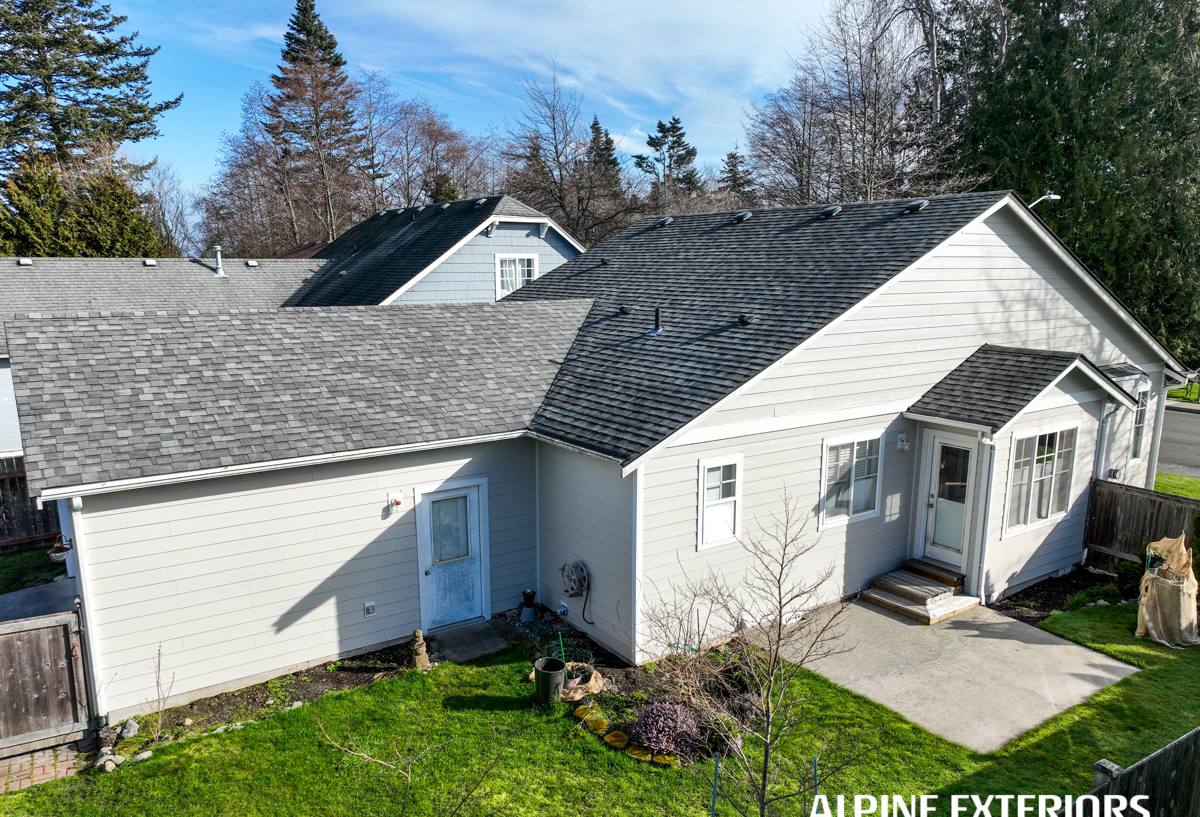
What Seminole Homes Actually Face
Sun and Heat
Florida sun is relentless, and siding gets no break from it. Cheaper materials — vinyl, primed wood, some engineered products — soften, fade, warp, or chalk under years of direct UV exposure. Colors dull unevenly depending on which side of the house gets the most afternoon sun, and that mismatch is one of the most common complaints we hear about older siding jobs.
Humidity and Moisture
Pinellas County humidity doesn't really go away, even in winter. Any siding product that isn't engineered to manage moisture at the seams, laps, and fastener points will eventually take on water somewhere. Once moisture gets behind or inside a wall assembly, the damage is often hidden until it's expensive — rotted sheathing, mold, or siding that's failing from the back side while the face still looks fine.
Wind and Storms
Seminole isn't a stranger to tropical systems, and wind-driven rain is a different challenge than a simple downpour — it gets pushed sideways into laps, seams, and trim joints that were never designed to shed water from that angle. Fastening patterns, flashing details, and product wind ratings all matter more here than in most parts of the country.
Salt Air
Even set back from the immediate coastline, homes in this part of Pinellas County live with airborne salt. Salt accelerates corrosion on fasteners and trim, and it can degrade certain coatings and finishes faster than the manufacturer's inland test data would suggest. Material choice and hardware choice both need to account for it.
Why We Only Install James Hardie Fiber Cement
We get asked fairly often why we don't offer vinyl, LP SmartSide, or other engineered wood options. The honest answer is that we've weighed the trade-offs and decided we're not willing to put our name on installations we don't believe will hold up long-term in this specific climate.
Vinyl Siding
Vinyl is inexpensive and easy to install, and for some climates it's a reasonable choice. In direct Florida sun, though, it can soften and distort in high heat, and it's a poor performer in high wind unless installed with very specific fastening and clearance details that are easy to get wrong. It's also combustible in a way fiber cement isn't, which matters to some homeowners more than others.
LP SmartSide and Other Engineered Wood
Engineered wood siding has improved a lot over the years, and it can look good and install efficiently. But it's still a wood-based product, and wood-based products are more sensitive to sustained humidity and moisture intrusion than fiber cement. In a climate where moisture exposure is nearly constant, that sensitivity is a real long-term maintenance factor, not a hypothetical one.
Why Hardie
James Hardie fiber cement is non-combustible, dimensionally stable in heat and humidity, and manufactured with a factory-applied ColorPlus finish that's formulated to resist UV fading better than field-applied paint. Hardie also makes climate-specific HZ product lines engineered for exactly the humidity and moisture conditions we deal with in Florida. It costs more upfront than vinyl, and it's less forgiving to install — it requires correct fastening, clearances, and joint treatment — but installed to spec, it's the product we trust to actually perform through a Florida summer and a Florida storm season.
| Factor | Vinyl | Engineered Wood | James Hardie Fiber Cement |
|---|---|---|---|
| UV/fade resistance | Moderate, can soften/warp in heat | Depends on coating; needs upkeep | Factory ColorPlus finish, built for UV |
| Moisture/humidity tolerance | Good, but seams are a weak point | Wood-based, more moisture-sensitive | Engineered HZ lines for humid climates |
| Wind performance | Sensitive to fastening/clearance details | Reasonable when installed correctly | Strong when installed to Hardie spec |
| Combustibility | Combustible | Combustible (wood-based) | Non-combustible |
| Typical upfront cost | Lowest | Mid-range | Higher, reflects material and labor |
How the Process Works for a Seminole Home
Assessment
We start with an in-person look at the current siding, trim, and any visible moisture or wind damage. We check for soft spots, failed caulking, gapping at seams, and signs of water intrusion around windows and doors — all common issues on older homes in this area regardless of what siding they currently have.
Product and Color Selection
Hardie offers multiple siding profiles — lap siding, board and batten, and shingle-style panels among them — plus a range of ColorPlus factory finishes. We help homeowners pick a line and finish suited to their home's style and to how much sun exposure that particular elevation gets.
Installation
Correct installation is where fiber cement earns its reputation. That means proper fastener spacing and type (especially important given salt-air corrosion concerns), correct clearances from grade and roof lines, properly lapped and caulked joints, and flashing details that account for wind-driven rain. We follow Hardie's published installation specifications because that's what preserves the manufacturer's warranty and, more importantly, what actually keeps water out.
Integration with Roofing, Windows, and Decks
Siding doesn't work in isolation. Flashing where siding meets roofline, proper sealing around window and door openings, and correctly integrated deck ledger connections all affect whether the exterior actually sheds water the way it's supposed to. Because we handle roofing, windows, and decks in addition to siding, we can address these transition points as one job instead of coordinating between separate contractors who may not communicate about how their work meets.
Maintenance Expectations
One advantage of fiber cement is genuinely low maintenance compared to wood-based alternatives, but "low maintenance" doesn't mean "no maintenance." A simple annual routine goes a long way in this climate:
- Rinse siding periodically to remove salt residue and airborne grime, especially on elevations facing prevailing wind
- Inspect caulking at joints, trim, and penetrations once a year and re-caulk where it's cracked or pulled away
- Check for any staining or discoloration that could indicate water tracking behind trim or fascia
- Keep gutters clear so overflow doesn't run down the siding face repeatedly
- After any major storm, do a visual walk-around for loose trim, damaged flashing, or impact damage
Why a Local Crew Matters
Installation quality is the single biggest factor in whether any siding product performs long-term, and that's especially true for fiber cement, which is less forgiving of shortcuts than vinyl. A crew that works throughout Pinellas County day in and day out understands the specific fastening, flashing, and clearance details that matter for this climate — not generic installation guidance written for a national market. We're not traveling in from out of the area to do a one-off job; homes in Seminole and the surrounding communities are the kind of work we do regularly, and we're around after the install if something needs a look.
What Affects Cost
Every home is different, but a few factors consistently drive the price of a siding project in this area:
| Factor | Why It Matters |
|---|---|
| Home size and elevation count | More square footage and more complex rooflines mean more material and labor |
| Existing siding removal | Tear-off and disposal adds time versus installing over a prepared surface |
| Underlying sheathing condition | Rotted or damaged sheathing found during removal needs repair before new siding goes on |
| Hardie product line and finish | Different profiles and ColorPlus finishes carry different material costs |
| Trim and detail work | Corner boards, window trim, and custom details add labor time |
We provide a written, itemized estimate after the in-person assessment so homeowners know exactly what they're paying for and why — no vague lump-sum numbers.
Get a Free Estimate
If you're weighing your options for siding — or roofing, windows, or decks — on a home in Seminole, we're happy to take a look and walk you through what we'd recommend and why. There's no pressure and no obligation; just a straightforward assessment from a crew that works in this climate every day. Use the form below to request your free estimate.