 Largo Siding
 Siding Built for St. Petersburg's Coastline Conditions
St. Petersburg sits between Tampa Bay and the Gulf, which means homes here take on a different set of stresses than houses even twenty miles inland. Between the bay breezes, the open Gulf exposure on the west side of the peninsula, and the humidity that never really lets up, exterior materials in this part of Pinellas County age faster than most manufacturers' marketing accounts for. We install siding, roofing, windows, and decks throughout the St. Petersburg area from our base in Largo, and what we see on service calls here shapes how we recommend homeowners build or rebuild their exterior.
This page focuses on siding, since it's the largest surface area on most homes and the material most exposed to sun, wind, and moisture around the clock. We'll walk through what actually wears out siding in this area, what we install instead, and how to think about the decision if you're facing a replacement.
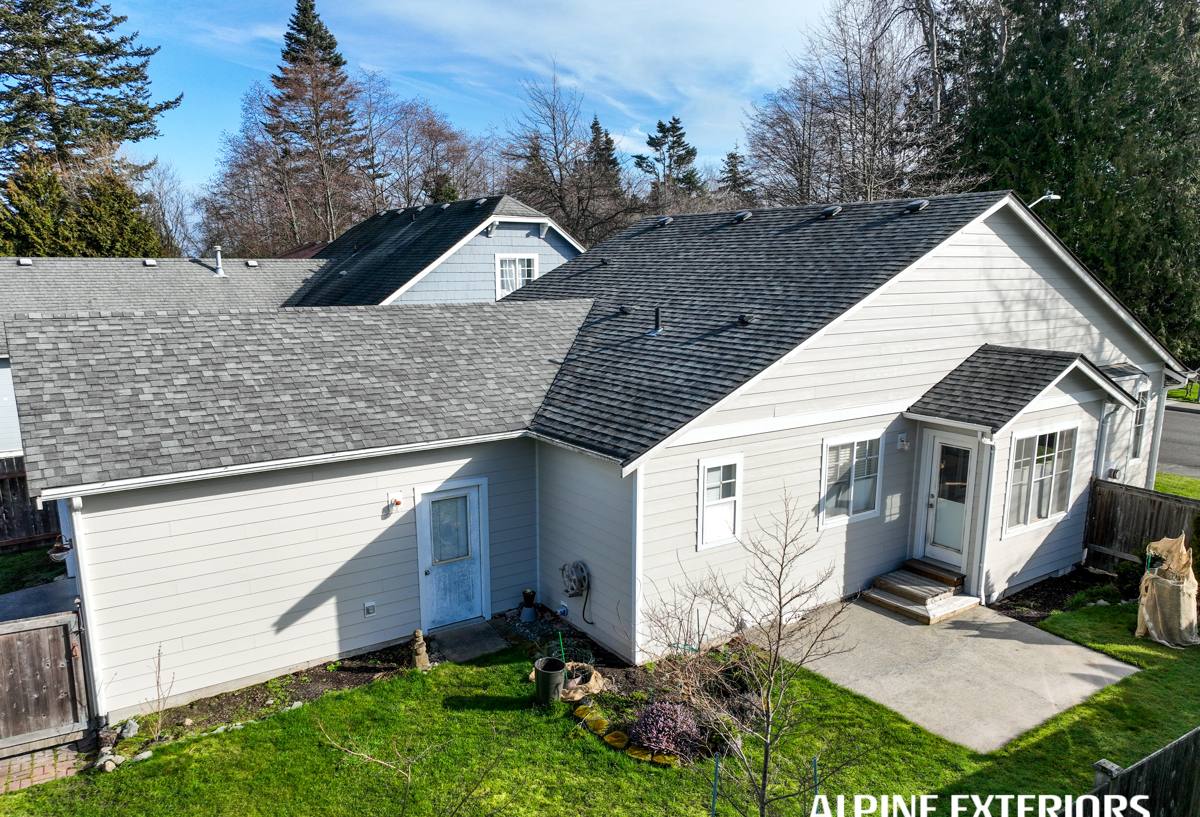
What Pinellas County Weather Does to a House
Hurricane-Force Wind and Wind-Driven Rain
St. Petersburg doesn't need a direct hurricane hit to get punished by wind. Tropical systems passing well offshore still push sustained gusts and driving rain sideways into exterior walls for hours at a time. Wind-driven rain finds every seam, fastener hole, and lap joint in a siding system. Products that rely on caulking or paint film to stay sealed lose that seal over time, and once water gets behind the cladding, it doesn't dry out quickly in a climate this humid.
Year-Round, High-Angle UV
Florida's UV index runs high nearly every month of the year, not just in summer. Constant UV breaks down pigments and surface coatings, which is why painted wood-based siding products chalk, fade, and need repainting on a much shorter cycle here than in northern climates. It also accelerates the breakdown of any siding product not specifically engineered with UV-resistant finishes.
Salt Air
Proximity to Tampa Bay and the Gulf means airborne salt is a real factor for a large share of St. Petersburg homes, not just the ones directly on the water. Salt is corrosive to metal fasteners and trim, and it accelerates the degradation of coatings and adhesives. Homes closer to the water need materials and fastening details that account for that; homes farther inland still see some benefit from salt-tolerant products, just to a lesser degree.
Humidity and Moisture Cycling
Between afternoon storms, high ambient humidity, and irrigation overspray, siding in this area rarely gets a long dry stretch. Materials that absorb moisture and swell, or that trap moisture behind them, are more prone to rot, mold, and bond failure here than in drier regions.
Why We Install Only James Hardie Fiber Cement
We made a decision to install one siding system on the homes we work on: James Hardie fiber cement, factory-finished with ColorPlus Technology. We don't install vinyl, LP SmartSide, Cemplank, Allura, or unprimed wood species like cedar or spruce. That's a narrower lineup than a lot of contractors offer, and we think that's the right call for this climate specifically.
- Non-combustible: fiber cement doesn't contribute fuel to a fire the way wood-based products can.
- Engineered for climate: Hardie's HZ5 product line is formulated for high-humidity, high-moisture regions like ours, addressing moisture and swelling behavior that wood-based composite sidings struggle with.
- Factory-applied finish: ColorPlus finish is baked on under controlled conditions, which holds up to UV and salt exposure far better than field-applied paint, and it comes with its own finish warranty.
- Dimensional stability: fiber cement doesn't expand and contract with humidity the way wood and wood-composite products do, which matters when a house sits through daily humidity swings for decades.
- Track record: Hardie has been in Florida markets long enough that its performance in coastal, hurricane-prone conditions is well established, not theoretical.
None of this means other products are junk — vinyl is inexpensive and low-maintenance in mild climates, and wood-based composites have real fans for their look and workability. We just don't think they hold up as well against the specific combination of UV, wind-driven rain, and salt air that St. Petersburg homes face, and we'd rather stand behind one system we trust fully than offer several we have reservations about.
How Fiber Cement Compares for This Climate
| Factor | James Hardie Fiber Cement | Vinyl | Wood-Based (LP/cedar/spruce) |
|---|---|---|---|
| UV / fade resistance | Factory ColorPlus finish, rated for long-term color retention | Can fade and become brittle under sustained high-UV exposure | Paint film fades and chalks; repainting needed on a shorter cycle |
| Moisture / humidity behavior | Does not swell; HZ5 line engineered for humid climates | Doesn't absorb water, but can warp or buckle with heat | Prone to swelling, rot, and delamination if moisture gets in |
| Wind / impact performance | Rigid, heavy board resists wind-driven debris well when installed to spec | Lighter panels can crack or blow off in high wind if not rated correctly | Reasonable rigidity but seams and edges are vulnerable points |
| Salt air tolerance | Good; finish and substrate hold up well near the coast | Generally tolerant, though fasteners and trim can corrode | Coatings and fasteners degrade faster in salt exposure |
| Fire behavior | Non-combustible | Combustible plastic | Combustible wood-based substrate |
| Maintenance cycle | Occasional wash; repaint only if desired, decades out | Low maintenance but limited repair options if damaged | Regular repainting/resealing required, more frequent in FL sun |
What Correct Installation Looks Like Here
Fiber cement performs the way it's rated to only when it's installed correctly, and Florida's wind and moisture conditions make installation details even more important than they'd be elsewhere. On St. Petersburg homes, that means:
- Proper clearances and flashing at windows, doors, and roof lines so wind-driven rain has nowhere to collect against the wall assembly
- Correct fastener type, spacing, and embedment for local wind-load requirements, since improperly fastened boards are the most common cause of siding failure in high-wind events
- Rainscreen or drainage plane detailing where appropriate, so any incidental moisture behind the siding has a path to drain and dry
- Factory-cut edges sealed per manufacturer specification, since exposed cut edges are the most vulnerable point for moisture intrusion
- Attention to expansion gaps and joint treatment, which matters as much in Florida's heat as it does in colder climates with freeze-thaw cycles
These aren't optional extras — they're the difference between a siding job that holds up through a decade of Gulf Coast storm seasons and one that starts showing problems in year three or four.
Roofing, Windows, and Decks: The Rest of the Exterior Envelope
Siding doesn't work in isolation. On most St. Petersburg homes, we look at the whole exterior envelope together, because a leak at the roofline or a failing window seal will undermine even a well-installed siding job.
Roofing
Roof condition and siding condition are connected — poor roof drainage or damaged flashing sends water down exterior walls, which shows up as siding damage even though the siding itself isn't the source of the problem. We evaluate both together when we're on site.
Windows
Window flashing and sealing integrate directly with the siding installation around every opening. This is one of the most common failure points in coastal homes, and it's a detail we pay close attention to whether we're replacing siding around existing windows or coordinating a window and siding project together.
Decks
Decks in this climate face their own UV, humidity, and salt exposure, and where a deck ties into the house, the transition needs to be flashed and sealed correctly, similar to the way siding meets a roofline.
Why a Local Crew Matters in This Area
St. Petersburg homes vary a lot block to block — some sit close enough to the water to warrant extra attention to salt exposure and wind exposure, others are farther inland and deal more with heat and UV cycling. A crew that works this specific part of Pinellas County regularly has a feel for which details matter most on a given block, what the local permitting and inspection process expects, and how local wind and moisture conditions actually play out on a house over time, not just on paper. We're based nearby in Largo, so St. Petersburg is core territory for us, not a stretch assignment.
Signs Your Current Siding Is Losing the Fight
- Visible warping, buckling, or gaps at seams and corners
- Soft spots or discoloration that suggest moisture has gotten behind the material
- Paint that's chalking, peeling, or fading unevenly across sun-exposed walls
- Rising cooling costs that may point to a compromised exterior envelope
- Visible fastener corrosion or streaking, more common in salt-exposed areas
- Caulk lines that have cracked or separated at trim and window edges
Any one of these on its own might just need a repair. Several at once, especially on a home that's had its original siding for fifteen-plus years, usually means it's worth getting a full assessment before small problems become structural ones.
Get a Straightforward Estimate
If you're weighing a siding replacement, dealing with storm damage, or just want an honest read on what your exterior needs, we're happy to take a look. We'll tell you what we actually see, not what's easiest to sell. Reach out for a free, no-pressure estimate using the form below.