 Largo Siding
 Siding on a Barrier Island Is a Different Job
Treasure Island sits out on the Gulf, connected to the mainland by causeway, with saltwater on nearly every side. That location is why people live there, and it's also why the exterior of a home in Treasure Island ages differently than one a few miles inland in Largo or Clearwater. Salt-laden air, near-constant Gulf breeze, direct sun off the water, and the very real chance of a tropical system moving through all put more stress on siding, trim, and fasteners than a typical Pinellas County lot sees. We work throughout Largo and the surrounding barrier islands, and Treasure Island is one of the areas where the difference between a correctly specified exterior and a generic one shows up fastest.
This page walks through what that environment actually does to a house, how we approach siding, roofing, windows, and decks for homes out there, and why we've standardized on one siding product rather than offering a menu of options.
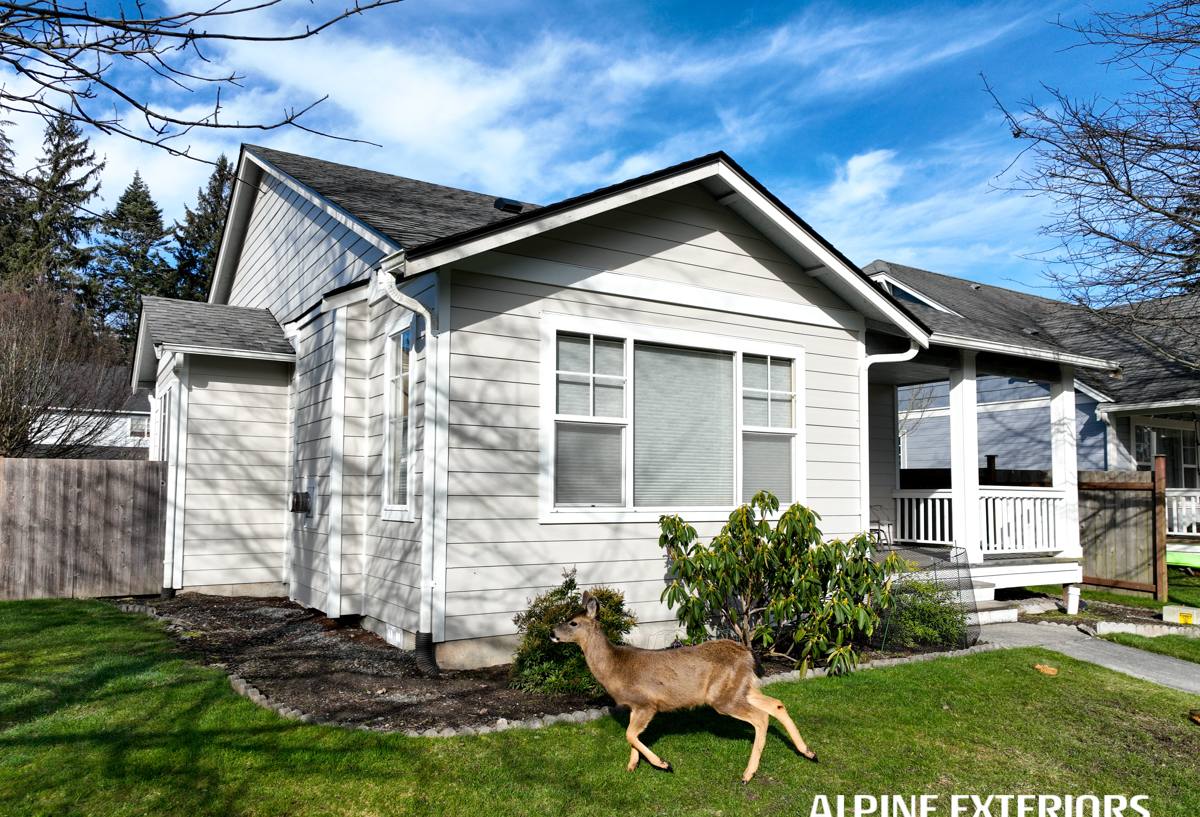
What the Island Climate Actually Does to a House
Salt Air and Corrosion
Airborne salt doesn't just sit on the surface — it gets into seams, fastener heads, and any place two materials meet. Over years, that accelerates corrosion of metal fasteners and trim, and it can degrade coatings and adhesives that weren't formulated to handle a marine environment. This is one of the main reasons material choice and fastener choice matter more here than in a landlocked neighborhood.
UV Exposure
Treasure Island gets sun off both the sky and the reflective water surrounding it, essentially year-round. Paint films and lower-grade coatings chalk, fade, and break down faster under that kind of sustained UV load, which shows up as color loss and a chalky residue on siding and trim well before it would on a shadier, inland lot.
Wind and Wind-Driven Rain
Pinellas County sits in a high-velocity hurricane zone under Florida's building code, and barrier islands like Treasure Island see the full force of that wind with nothing to break it. Wind doesn't just threaten to pull siding loose — it drives rain sideways and up under laps, trim, and window and door openings. An exterior that isn't detailed correctly at those transitions will let water in long before a wall ever fails structurally.
Moisture and Humidity
High humidity combined with intermittent heavy rain means anything on the exterior that can absorb and hold moisture is at a disadvantage. Materials that swell, wick water at cut edges, or trap moisture behind them are more prone to rot, mold, and finish failure in this kind of environment than materials engineered to resist moisture intrusion.
Why We Install Only James Hardie Fiber Cement
We do not install vinyl, LP SmartSide, primed wood, cedar, or other fiber cement brands. That's a deliberate standard, not a limitation on what we're capable of installing. James Hardie fiber cement is a cement-based composite, not wood or wood-derived, which means it doesn't have the same moisture-absorption and rot vulnerabilities that wood-based and engineered-wood sidings carry. It's also non-combustible, which matters to some homeowners and insurers independent of the coastal conversation.
Two things make it a fit specifically for a location like Treasure Island:
- ColorPlus factory finish — a baked-on finish applied under controlled conditions, which holds up to UV and salt exposure meaningfully better than field-applied paint, and comes with its own finish warranty.
- HZ5 climate-engineered formulation — Hardie engineers its HZ product lines for different climate zones, and the HZ5 line is built for the Gulf Coast's combination of humidity, heat, and moisture exposure.
James Hardie also backs its products with a strong, transferable limited warranty, which matters on the coast — homes here change hands often, and a warranty that transfers to the next owner protects your resale position, not just your own ownership period.
None of this means other siding products are unusable everywhere. It means that after years of installing exteriors in this specific climate, we don't think they're the right call for the environment our customers actually live in, and we'd rather install one product correctly than several products at varying levels of confidence.
It's Not Just Siding — The Whole Envelope Matters
Siding is one piece of a coastal home's exterior, and it doesn't work in isolation. We also handle roofing, windows, and decks, because those systems all interact at the same transitions — where a roofline meets a wall, where a window is flashed into siding, where a deck ledger attaches to the house. Get one of those wrong and it can undermine the others, no matter how good the siding itself is.
Roofing
A roof system that isn't properly sealed and fastened for high wind uplift is a liability in every named storm season, and it's often the first thing a wind event tests. We evaluate roofing condition alongside siding on coastal jobs because the two systems share flashing details and drainage paths.
Windows
Impact-rated and properly flashed windows matter more here than almost anywhere else in the county — they're a code requirement in much of the wind-borne debris region, and poor window flashing is one of the most common sources of hidden water intrusion behind otherwise sound siding.
Decks
Outdoor living is a big part of why people choose barrier-island living, and decks out here take the same salt-air and UV punishment as everything else. Fasteners, ledger flashing, and material choice all need to account for that.
Why a Local Crew Matters Here
Treasure Island isn't a generic Pinellas County job site. A crew that mostly works inland can miss details that are second nature to a crew that works the barrier islands regularly:
- Permitting and inspection processes specific to Treasure Island and the surrounding coastal jurisdictions
- Florida's high-velocity hurricane zone wind-load and fastening requirements, applied correctly rather than generically
- Flood zone considerations that affect elevation, materials, and detailing on many island homes
- Causeway access and staging logistics, so material deliveries and crew scheduling don't stall a project
- Familiarity with HOA or community-specific exterior guidelines that are common in barrier-island neighborhoods
We work in Largo and the surrounding communities regularly, which means we're not learning the local requirements on your project — we already know them going in.
How We Approach a Treasure Island Project
- On-site inspection. We look at existing siding, trim, flashing, and any signs of moisture intrusion, salt corrosion, or storm damage before recommending anything.
- Scope and product plan. We spec the correct James Hardie product line and profile for your home, factoring in exposure — a Gulf-facing wall takes more punishment than a sheltered side.
- Permitting. We handle the permitting process required for exterior work in this jurisdiction.
- Tear-off and prep. Old material comes off, and the substrate underneath gets inspected — this is often where hidden moisture damage from a previous, less-suited siding product turns up.
- Installation to spec. Fastener type, spacing, clearances, and flashing details are followed to manufacturer and code requirements, not shortcuts — this is where most siding failures on the coast actually originate.
- Final walkthrough. We review the finished work with you before calling the job done.
What Drives Cost on a Coastal Siding Project
| Factor | Why It Matters in Treasure Island |
|---|---|
| Home size and wall complexity | More corners, dormers, and transitions mean more cutting, flashing, and labor time |
| Existing substrate condition | Salt-air and moisture damage found during tear-off can require repair before new siding goes on |
| Siding profile and trim package | Lap width, trim style, and accessory choices affect material cost and install time |
| Exposure and wind rating requirements | Gulf-facing and higher-wind-zone areas may require additional fastening or detailing |
| Access and staging | Island logistics, driveway space, and setback from neighboring properties can affect crew efficiency |
| Paired work (roofing, windows, decks) | Bundling exterior projects can reduce redundant staging and access costs |
We give straightforward, itemized estimates rather than vague ranges once we've actually seen the property — too many of these factors are specific to the individual home to price accurately from a phone call.
Maintaining Hardie Siding in a Coastal Environment
James Hardie siding is low-maintenance relative to wood-based products, but "low-maintenance" isn't "no-maintenance," especially this close to the Gulf. A simple annual routine keeps it performing the way it's designed to:
- Rinse salt residue off exterior surfaces periodically, especially after storms or extended dry, windy stretches
- Inspect caulking and sealant joints around windows, doors, and trim annually — sealant is the first line of defense against wind-driven rain
- Keep gutters and downspouts clear so water sheds away from the wall assembly instead of running down it
- Walk the exterior after any significant wind event to check for loose trim, fasteners, or flashing
- Address any small chips or damage to the ColorPlus finish promptly, rather than letting exposed edges sit
None of this is heavy lifting, but skipping it is how small issues on a coastal home turn into bigger ones.
Get a Straightforward Look at Your Project
If you're weighing a siding replacement — or want roofing, windows, or a deck evaluated alongside it — we'll come look at the property, walk you through what we're seeing, and give you an honest estimate with no pressure attached. Use the form below to get started.