 Largo Siding
 Siding Built for Safety Harbor's Waterfront Climate
Safety Harbor sits on the northern edge of Old Tampa Bay, and that location shapes everything about how a home's exterior ages here. Homes close to the water deal with a steady drift of salt-laden air, afternoon storm cells that roll in fast and hard, and long stretches of direct sun that most siding products were never engineered to survive decade after decade. As a Largo-based crew working throughout Pinellas County, we see the same failure patterns repeat on Safety Harbor homes: siding that looked fine for a few years and then started cupping, cracking, or losing its finish well before it should have.
We install James Hardie fiber cement siding exclusively. Not because it's the only product on the market, but because after years of tear-offs and repairs across this region, it's the one system that consistently holds up to what Tampa Bay throws at a house. This page covers what Safety Harbor homes typically face, how our process works, and why we standardized on Hardie instead of the alternatives.
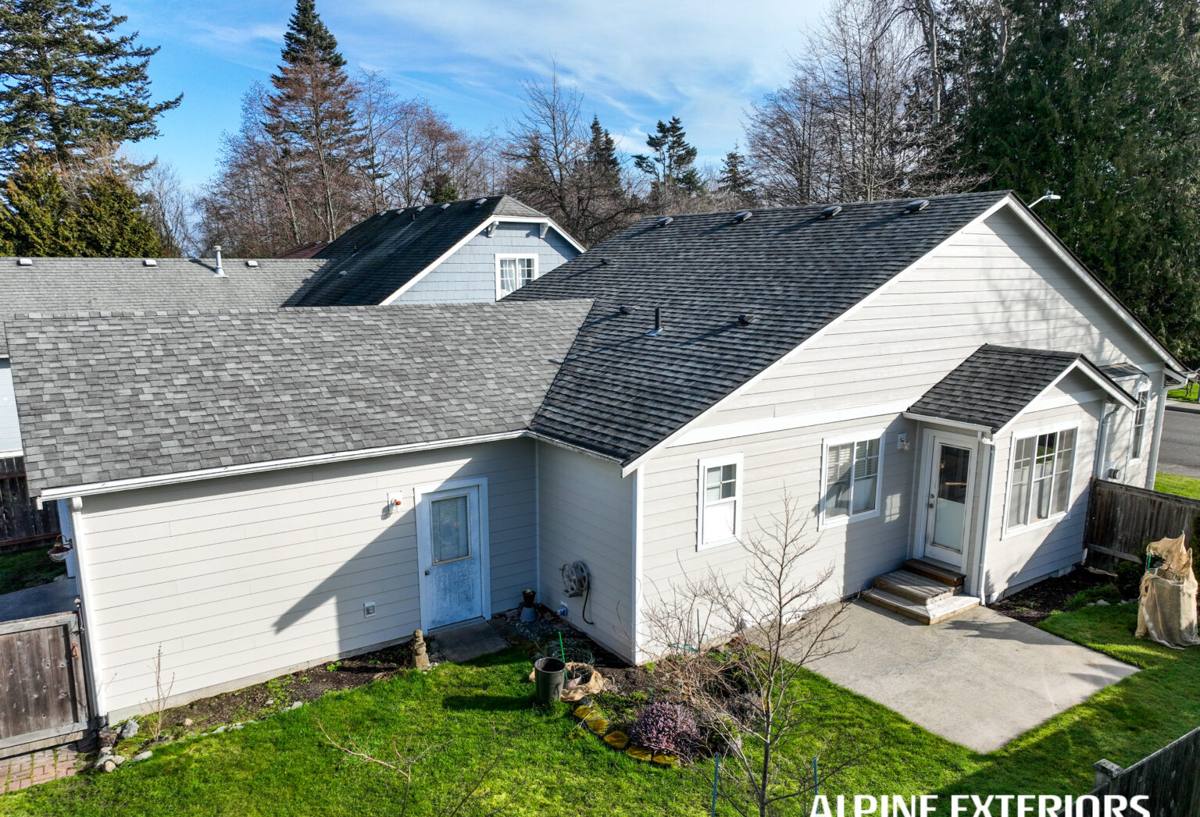
What Safety Harbor Homes Are Up Against
Salt Air and Coastal Moisture
Proximity to the bay means a fine layer of salt settles on exterior surfaces continuously, not just during storms. Salt is corrosive to fasteners and trim hardware, and it accelerates the breakdown of coatings and finishes that aren't formulated to resist it. Siding with a weak factory finish or one that relies on field-applied paint tends to show chalking, fading, and adhesion failure faster in this environment than it would ten or twenty miles inland.
Wind-Driven Rain and Hurricane Exposure
Pinellas County sits squarely in a hurricane-prone zone, and Safety Harbor's location on the water doesn't offer any real shelter from wind-driven rain. During tropical systems, rain doesn't just fall — it's pushed sideways into siding joints, seams, and butt ends at high velocity. Products that swell, delaminate, or wick moisture at the edges are the ones that fail first under this kind of pressure, and the damage often shows up as hidden rot behind the siding long before it's visible from the outside.
Year-Round UV Exposure
Central Florida gets intense sun essentially all year, not just in summer. UV breaks down pigments and resins in lower-grade coatings, which is why a lot of siding products look noticeably different on the sun-facing side of a house within just a few years. Factory-cured finishes that are engineered specifically for UV resistance hold their color far longer than field-applied paint systems.
Humidity and Moisture Cycling
Between the bay, the daily thunderstorm pattern, and Florida's overall humidity, siding here is almost never fully dry. Materials that absorb moisture and then dry out repeatedly go through expansion and contraction cycles that stress seams, fasteners, and paint bonds over time. This cycling is a major reason some siding materials underperform their advertised lifespan in this specific climate, even when installation was done correctly.
Why We Install Only James Hardie
James Hardie fiber cement is manufactured from cement, sand, and cellulose fibers — a composition that doesn't rot, doesn't support termite activity, and doesn't burn. It's also engineered in regional formulations, including an HZ5 product line built specifically for higher-moisture, storm-prone climates like ours. That's a meaningful difference from generic siding products that use a single formulation nationwide regardless of where the house sits.
Hardie's ColorPlus factory-applied finish is baked on under controlled conditions and backed by its own finish warranty, which matters directly for a coastal town like Safety Harbor where UV and salt air are working against paint adhesion every single day. We're not saying every alternative product is unusable — we're saying that after weighing the trade-offs for this specific climate, Hardie is what we're willing to put our name behind and stand on with a workmanship warranty.
What We Don't Install, and Why
- Vinyl siding — lightweight and budget-friendly, but it can warp or crack under high heat and blunt impact, and it doesn't offer the fire-resistance profile fiber cement does.
- LP SmartSide — an engineered wood product that performs well in many climates, but wood-based substrates require more diligence around moisture management and edge sealing, which raises the stakes in a high-humidity, storm-exposed coastal environment.
- Cemplank and Allura — both are legitimate fiber cement competitors to Hardie, but we've standardized on one manufacturer so we can guarantee consistent installation specs, one warranty structure, and one accountable supply chain for every job we do.
- Primed spruce or cedar — real wood siding can look great, but it demands ongoing repainting and sealing to survive Florida humidity, and it's more vulnerable to moisture intrusion and pest activity than fiber cement.
Our Process for Safety Harbor Siding Projects
Inspection and Assessment
We start by walking the exterior and checking for the specific issues coastal-adjacent homes tend to develop: soft spots around window and door trim, gaps at seams, staining that suggests water intrusion, and finish deterioration on sun-exposed walls. If there's existing damage, we check how far it extends behind the current siding before quoting the job, because a full picture up front avoids surprises mid-project.
Moisture Barrier and Prep
Correct installation starts underneath the siding, not with the siding itself. We install a proper weather-resistive barrier and flash all penetrations — windows, doors, hose bibs, vents — because these are the points where wind-driven rain finds its way in during a storm. This step is where a lot of the long-term performance difference between a good installation and a bad one actually gets decided.
Installation to Hardie Spec
James Hardie publishes specific fastening patterns, clearances, and gapping requirements, and those specs exist for a reason — they're what keeps the product performing as engineered and keeps the manufacturer's warranty intact. We follow them on every job, including the details that are easy to skip and hard to see once the house is buttoned up, like maintaining ground clearance and proper caulking at butt joints.
Final Walkthrough
Once installation is complete, we walk the exterior with the homeowner, review the finish, and confirm everything meets both Hardie's installation requirements and our own standard.
Beyond Siding: Roofing, Windows, and Decks
Siding doesn't operate in isolation — it works alongside the roof, windows, and other exterior elements to keep a house weather-tight. We also handle roofing, window replacement, and deck construction, which means we can look at a Safety Harbor home's exterior as one connected system rather than a series of unrelated projects. A roof leak that's been staining an exterior wall, or a window whose flashing has failed, can undermine even a brand-new siding job if it's not addressed at the same time.
Cost Factors for Safety Harbor Siding Projects
Every home is different, and we don't publish blanket pricing because square footage, trim complexity, and the condition of what's underneath the existing siding all move the number. The factors below are the ones that most commonly affect cost on jobs in this area.
| Factor | Why It Matters Here |
|---|---|
| Existing substrate condition | Homes with hidden moisture damage from prior wind-driven rain intrusion need repair or replacement of sheathing before new siding goes on |
| Home size and wall complexity | More corners, gables, and trim details mean more labor and material waste |
| Hardie product line selected | Lap siding, shingle-style, and panel systems carry different material costs |
| Access and site conditions | Waterfront lots and tight lots near mature landscaping can add setup and staging time |
| Trim and accessory work | Fascia, soffit, and trim replacement alongside siding affects overall scope |
Why a Local Largo Crew Matters
We're based in Largo and work Pinellas County day in and day out, which means we're not learning this climate on your project. We know what wind-driven rain does to a poorly flashed window, what salt air does to unprotected fasteners over a few seasons, and what year-round UV does to a finish that wasn't built for it. That local, repeated exposure to the same conditions Safety Harbor homes face is part of what informs how we spec and install every job, and it's why we can speak plainly about trade-offs instead of just pushing whatever's cheapest to install.
Signs Your Siding May Need Attention
- Visible cracking, warping, or bubbling on wall surfaces
- Soft or spongy spots when pressed near the base of walls or around trim
- Fading or chalking that's noticeably worse on sun-facing walls
- Staining or streaking that suggests water is tracking behind the siding
- Gaps opening up at seams, corners, or butt joints
- Peeling or blistering paint that keeps returning after repainting
If you're seeing any of these signs on a Safety Harbor home, or you're planning ahead for a full exterior refresh, we're happy to take a look. Fill out the form below for a free, no-pressure estimate — we'll walk the property, tell you honestly what we find, and lay out what a James Hardie installation would involve for your specific home.