 Largo Siding
 Siding Built for Kenneth City's Climate
Kenneth City sits in the middle of Pinellas County, close enough to Tampa Bay and the Gulf that the same salt-laden air, heavy humidity, and storm exposure that affect the rest of the barrier islands and coastal communities reach inland neighborhoods too. Homes here don't get a break just because they're a few miles from open water. Wind-driven rain during summer thunderstorms, months of intense UV exposure, and the occasional direct hit from a tropical system or hurricane all put real stress on exterior siding, and older or lower-grade materials tend to show it within a handful of years.
We're a Largo-based exterior contractor that works throughout this part of Pinellas County, and Kenneth City is well within our regular service area. That matters more than it sounds like it should. A crew that works this specific stretch of Florida knows what siding, roofing, windows, and decking actually have to survive here — not in a generic "Florida" sense, but in terms of the specific combination of heat, humidity, salt exposure, and storm patterns that this part of the state deals with year after year.
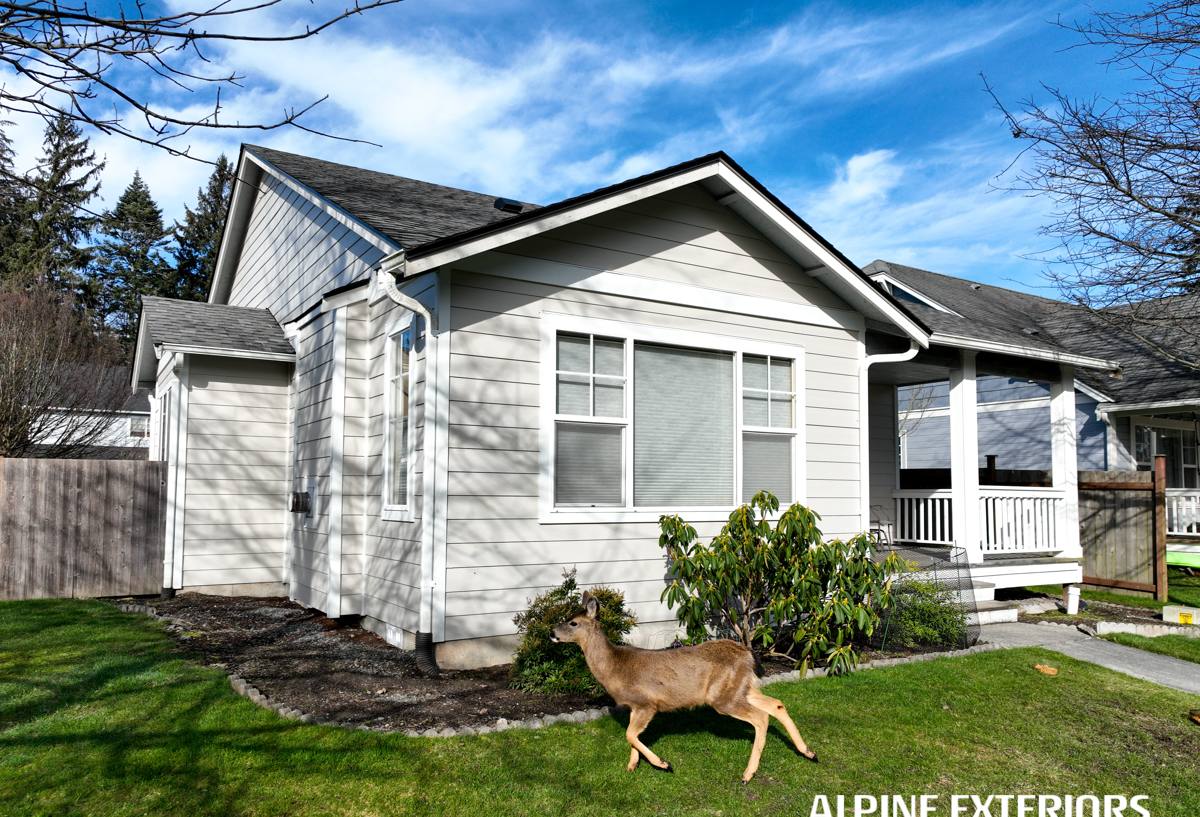
What Kenneth City Homes Face
Heat and UV
Pinellas County gets a huge number of sunny days a year, and that adds up. Constant UV exposure breaks down cheap paints and coatings, fades color, and dries out organic materials like wood and wood-composite siding faster than most homeowners expect. Siding that isn't engineered for this kind of sun load will chalk, fade unevenly, or start showing surface damage well before it's reached the end of its expected life.
Humidity and Wind-Driven Rain
Florida's rainy season brings intense, fast-moving storms, and it's rarely rain falling straight down — wind pushes it sideways into walls, seams, and trim. Any siding product that isn't dimensionally stable, or that relies heavily on caulking and paint film to keep water out, is going to struggle over time in this kind of exposure. Moisture that gets behind siding and can't dry out is one of the most common causes of hidden rot and structural damage in this region.
Salt Air
Kenneth City isn't beachfront, but Pinellas County as a whole sits in a salt-air environment. Airborne salt travels well inland on Gulf breezes, and it accelerates corrosion on fasteners, trim, and any metal components on a home's exterior. It also interacts with certain siding materials in ways that speed up surface breakdown.
Wind and Storm Risk
Hurricane-force wind events are a real possibility for this area, not a hypothetical. Siding that isn't rated and installed correctly for wind resistance can lift, crack, or fail outright during a significant storm — and once wind gets behind a panel or piece of trim, water intrusion usually follows immediately after.
Why We Install Only James Hardie Fiber Cement
We made a deliberate decision to install one siding system: James Hardie fiber cement. We don't install vinyl, LP SmartSide, Cemplank, Allura, or primed wood siding like spruce or cedar. That's not a marketing position — it's a standard we hold to because of what we've seen happen to different siding materials in exactly this kind of Gulf Coast climate over time.
Vinyl siding is affordable and easy to install, but it's a thin plastic product that can warp or distort in sustained high heat, and it has real limits in high-wind events compared to fiber cement — it's more prone to cracking or blowing off in a strong storm. Wood-composite products like LP SmartSide use engineered wood strand technology, which performs reasonably well in moderate climates, but any wood-based product carries some level of moisture sensitivity, and that's a harder tradeoff to accept in a climate this wet and humid. Primed wood siding — spruce, cedar, and similar species — looks great initially but demands an aggressive repainting and caulking maintenance schedule to hold up here; skip a cycle or two and you're often looking at rot repair.
James Hardie fiber cement is a cement-based composite, not wood or plastic. It doesn't rot, it's non-combustible, it holds up to wind-driven rain without swelling or delaminating, and its ColorPlus factory-applied finish is baked on and warranted separately from the substrate — which means it resists fading from constant Florida sun far better than field-applied paint. Hardie also builds specific product lines engineered for humid, high-moisture climates like ours (their HZ5 formulation is designed for exactly this kind of exposure). It's a heavier, denser, more labor-intensive product to install correctly, and it costs more upfront than vinyl. We think that tradeoff is worth it for a Kenneth City home, because the alternative is usually a shorter replacement cycle and more maintenance headaches in between.
How a Siding Project Works With Us
1. Initial Walkthrough and Assessment
We start with a full look at your home's existing siding, sheathing condition where visible, trim, and any problem areas — soft spots, staining, or gaps that suggest past water intrusion. This tells us whether we're dealing with a straightforward re-side or if there's substrate repair to plan for first.
2. Product and Color Selection
We walk you through the relevant Hardie product lines — lap siding, panel siding, shingle-style siding, and trim — along with ColorPlus finish options. We'll talk through what suits your home's style and what's realistic for your budget.
3. Prep and Moisture Barrier
Correct installation starts before a single piece of siding goes up. That means proper house wrap or weather-resistive barrier, correctly flashed windows and doors, and attention to any areas where water has historically found its way in. This step is where a lot of siding failures actually originate, regardless of the product used on top.
4. Installation to Manufacturer Spec
James Hardie has specific installation requirements around fastening patterns, clearances, and joint treatment, particularly for high-wind regions like ours. Installing to spec isn't optional if you want the wind rating and warranty coverage to actually apply — it's also just the difference between siding that performs for decades and siding that develops problems early.
5. Final Walkthrough
We go through the completed work with you, confirm everything meets expectations, and make sure you understand the warranty coverage on both the material and the finish.
Beyond Siding: Roofing, Windows, and Decks
Siding doesn't work in isolation — it's one part of a home's whole exterior envelope. We also handle roofing, windows, and decks, and for a lot of Kenneth City homeowners it makes sense to think about these together rather than as separate projects down the road.
- Roofing: A roof in poor condition undermines even a brand-new siding job, since water finds its way down behind walls from above. Worth evaluating together, especially before a re-side.
- Windows: Old or poorly flashed windows are one of the most common paths for wind-driven rain to get behind siding. Replacing windows at the same time as siding lets us integrate the flashing properly in one continuous system.
- Decks: Outdoor living space takes the same UV and moisture beating as siding does. If you're already planning exterior work, it's efficient to address decking in the same project window.
Signs Your Siding May Need Attention
- Visible warping, buckling, or gaps between panels
- Soft or spongy spots when pressed (often a sign of moisture damage underneath)
- Paint or finish that's peeling, chalking, or badly faded on one side of the house
- Rising cooling bills without another clear explanation, which can point to a failing exterior envelope
- Visible mold, mildew, or staining that keeps returning after cleaning
- Cracked or missing pieces after a storm
Comparing Siding Materials for This Climate
| Material | Moisture Resistance | Wind Performance | Maintenance | Typical Lifespan Here |
|---|---|---|---|---|
| James Hardie Fiber Cement | Excellent — cement-based, doesn't rot | Strong when installed to spec | Low — factory finish, occasional wash | Decades with proper installation |
| Vinyl | Good, but seams can allow intrusion | Weaker in sustained high wind | Low, but can warp/fade in heat | Shorter in intense sun/heat climates |
| LP SmartSide (Wood-Composite) | Moderate — engineered wood, moisture sensitive at edges | Moderate | Moderate — sealant/paint upkeep matters | Shorter if maintenance lapses |
| Primed Wood (Spruce/Cedar) | Lower — natural wood, absorbs moisture | Depends on install/fastening | High — regular repainting/caulking required | Shortest without diligent upkeep |
Why Hire a Local Crew
A contractor who works Pinellas County regularly understands the practical realities of building here: how humidity and salt air interact with different materials over time, what wind exposure a given part of the county typically sees, and how local permitting and code requirements apply to exterior work. That local knowledge shows up in the small decisions made on a job — flashing details, fastener choices, product line selection — that determine whether siding performs well for twenty-plus years or starts causing problems in five.
It also means we're not disappearing after the job is done. If a warranty question comes up or a storm causes damage down the line, you're dealing with a company that's still working in Largo and the surrounding communities, not a crew that came through from out of the area for one project.
Get a Free, No-Pressure Estimate
If your Kenneth City home's siding is showing its age, was damaged in a storm, or you're planning ahead for a full exterior refresh, we're happy to come take a look and walk you through your options. There's no pressure and no obligation — just a straight assessment of where your home stands and what James Hardie siding would look like for your project. Use the form below to request your free estimate.