 Largo Siding
 Why Largo's Climate Is Rough on Siding
Largo sits in the middle of the Pinellas County peninsula, which means almost every home here is within a few miles of either Tampa Bay or the Gulf of Mexico. That location is great for living, but it's hard on a house exterior. Four things stack up against whatever material is on your walls: sustained hurricane-force wind loads, UV exposure that runs strong essentially year-round, wind-driven rain that gets forced sideways and upward under laps and trim, and a steady drift of salt air that corrodes fasteners and degrades weaker finishes over time.
None of these factors is dramatic on its own in any given week. The damage is cumulative — a siding product has to hold up to all four, every year, for decades, not just survive one storm. That's the lens we use when we evaluate any siding material before we put it on a customer's home.
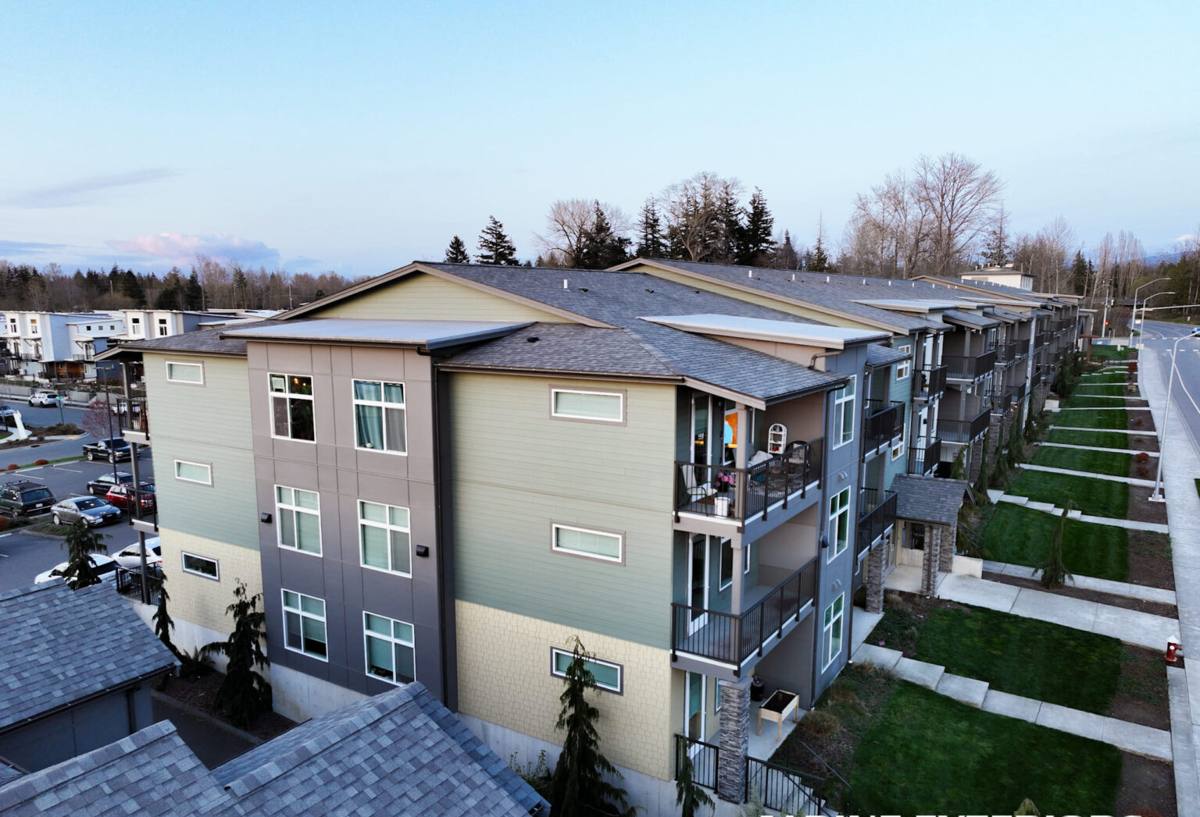
What James Hardie Fiber Cement Actually Is
James Hardie siding is fiber cement: a mix of Portland cement, sand, cellulose fiber, and water, cured into rigid boards and panels. It is not a plastic product like vinyl, and it is not a wood product like LP SmartSide or traditional cedar and primed spruce. That distinction matters more than it sounds like it should.
Because the base material is cement rather than wood or plastic, fiber cement doesn't warp, doesn't rot, and isn't a food source for termites or carpenter ants. It's also non-combustible, which carries real weight for insurance underwriting and for wildfire-adjacent inland areas, though the bigger relevance for Largo homeowners is just long-term structural stability — the boards stay flat and straight instead of cupping or swelling with humidity swings the way wood-based products can.
Built for This Climate: The HZ5 Product Line
James Hardie doesn't make one universal siding product for the whole country. The company engineers regional formulations — called HardieZone — because a house in Minneapolis and a house in Largo are fighting completely different weather. Florida and the Gulf Coast fall into the HZ5 zone, which is formulated specifically for high humidity, heavy rainfall, and moisture cycling.
HZ5 boards are engineered with moisture resistance and streak reduction built into the formulation itself, rather than relying entirely on the paint or caulking to keep water out. That's a meaningful difference from siding products designed for a one-size-fits-all national market. When we say we only install Hardie, HZ5 is a big part of why — it's a product actually built for Pinellas County weather, not a product that merely tolerates it.
What HZ5 Engineering Changes in Practice
- Reduced moisture absorption at the cut edges and board surface
- Formulated to resist the streaking and staining that heavy, frequent rain causes on lesser materials
- Rated for the wind pressure zones common along the Gulf Coast when installed to code-specified fastener schedules
ColorPlus Technology: A Finish Engineered for UV and Salt Air
Paint failure is the number one cosmetic complaint we hear about older siding, regardless of the material underneath. In Largo's UV load, a standard field-applied paint job on wood or fiber cement typically needs attention within five to seven years — fading, chalking, and peeling at the laps and end cuts.
James Hardie's ColorPlus finish is baked on at the factory in multiple coats under controlled conditions, not brushed or sprayed on-site. It's backed by its own separate finish warranty and holds color and integrity substantially longer than field-applied paint, because it isn't subject to the humidity, temperature, and application inconsistencies that come with painting a house outdoors in Florida. Touch-up paint matched to the ColorPlus palette is available for the rare nick or scratch, so a repair doesn't turn into a repaint.
The Hardie Product Lineup
"James Hardie siding" isn't one product — it's a system of complementary lines, and part of doing this correctly is choosing the right combination for the home and the look the owner wants.
HardiePlank Lap Siding
The most common choice for Largo homes. Horizontal boards in a range of exposures and textures (smooth or cedar-grain), designed to replicate traditional lap siding without the wood maintenance cycle.
HardiePanel Vertical Siding
Used for board-and-batten looks, accent walls, gable ends, and modern coastal styling that's increasingly popular in Pinellas County renovations.
HardieShingle
Staggered or straight-edge shingle profiles for homes going for a coastal cottage or Craftsman look without the upkeep of cedar shakes.
HardieTrim
Matching trim boards for corners, window and door casings, and fascia, so the whole exterior envelope — not just the field siding — is the same non-combustible, factory-finished material.
Hardie vs. the Alternatives
We get asked regularly why we don't install vinyl, LP SmartSide, or primed wood. It's not that those products have no merit — each has a legitimate use case somewhere. It's that after years of installing and repairing siding on Gulf Coast homes, the trade-offs stopped making sense for what we're willing to put our name on.
| Factor | James Hardie Fiber Cement | Vinyl | LP SmartSide / Wood |
|---|---|---|---|
| Base material | Cement, sand, cellulose fiber | PVC plastic | Engineered or solid wood |
| High-wind performance | Rated for hurricane-zone wind pressures when installed to spec | Can crack or blow off in sustained high wind; seams are vulnerable | Wind-rated but panel edges are moisture entry points |
| Moisture / rot risk | Not organic; doesn't rot | Doesn't rot, but traps moisture behind it if installed wrong | Organic material; rot and swelling are the main long-term risks |
| UV / fade resistance | Factory ColorPlus finish, separate finish warranty | Color is through-body but can chalk and fade in heavy sun | Field-applied paint or factory finish; repainting cycle required |
| Fire rating | Non-combustible | Combustible plastic | Combustible |
| Maintenance | Occasional wash; repaint only if desired, decades out | Low, but brittle with age | Regular repainting/sealing needed to prevent rot |
Vinyl is inexpensive and easy to install fast, which is exactly why it's everywhere. But it's a thin plastic panel relying on interlocking seams, and in a wind event those seams are the failure point. LP SmartSide and similar engineered wood products have improved a lot over the years, but they're still wood-based — moisture at a cut edge or a nail penetration can start the clock on rot in a way that doesn't happen with cement. Given what Largo's climate does to a house over 20-plus years, we decided we'd rather install one product well than juggle several and explain the trade-offs on every job.
Installation: Where Most Siding Problems Actually Start
Fiber cement is only as good as the install. This is the part of the Hardie conversation that gets skipped a lot, and it matters more than the brand name on the box.
Fastening and Gapping
Hardie specifies exact fastener types, spacing, and penetration depth, along with required gaps at butt joints and around penetrations for expansion. Skip these and you get nail popping, buckling, or water intrusion at the seams — problems that get blamed on the "siding" when the real cause was the install.
Flashing and Water Management
Every window, door, and roof-to-wall intersection needs proper flashing and a drainage plane behind the siding. This is arguably more important in Largo than the siding material itself — wind-driven rain will find any gap in the water management layer, and no siding product, Hardie included, is a substitute for correct flashing.
Caulking and Paint Touch-Up
Factory-primed cut edges need to be sealed correctly at time of install, and ColorPlus touch-up paint should only be used sparingly at nicks — not as a substitute for proper factory finish coverage.
The Warranty and What It Covers
James Hardie backs its siding with a transferable limited warranty, and ColorPlus finished products carry a separate finish warranty covering the factory coating itself. Warranty terms and what's covered (labor vs. material, transferability to a new owner if you sell) vary by product line, so it's worth reading the specific warranty document for the products going on your home rather than assuming all Hardie warranties are identical.
What we'll tell you plainly: a manufacturer's warranty on the material doesn't cover a bad install. That's why we stand behind our own workmanship separately from Hardie's product warranty — the two are meant to work together, not substitute for each other.
What to Ask Before You Hire
Whether you use us or another contractor, these are the questions that actually separate a good Hardie install from one that will cause problems in five years:
- Are you a James Hardie-recognized or certified installer, and can you show it?
- Will you pull the required building permit with Pinellas County / the City of Largo, or is this being done off-permit?
- What's your fastening and gapping spec, and does it match Hardie's published installation guidelines for our wind zone?
- How is flashing handled at windows, doors, and roof intersections — walk me through it specifically?
- Is the HZ5 product being used, and which specific line (Plank, Panel, Shingle) fits my home?
- What does your workmanship warranty cover, separate from the manufacturer's material warranty?
If a contractor can't answer these clearly, that's worth knowing before the crew shows up with material.
If you're weighing a siding replacement or repair in Largo or elsewhere in Pinellas County, we're happy to walk your home, point out what's actually going on with your current siding, and give you a straightforward, no-pressure estimate for a proper James Hardie install — no obligation either way.