 Largo Siding
 The Appeal of Primed Wood Siding
Primed wood siding — usually finger-jointed pine, spruce, or fir milled into lap boards — has been a staple of American home construction for generations. It's real wood, it takes paint beautifully, it can be milled into almost any profile, and on the day it goes up, it looks fantastic. Homeowners in Largo who grew up around traditional lap siding often ask for it by name because it reminds them of the classic look they want for their home.
We're not going to tell you primed wood siding is a bad product. In the right climate, installed correctly and maintained on schedule, it can last for decades. The problem is the phrase "in the right climate." Pinellas County is not that climate, and after years of tearing old wood siding off Largo homes, we made the decision to stop installing it. Here's the honest reasoning, not a sales pitch.
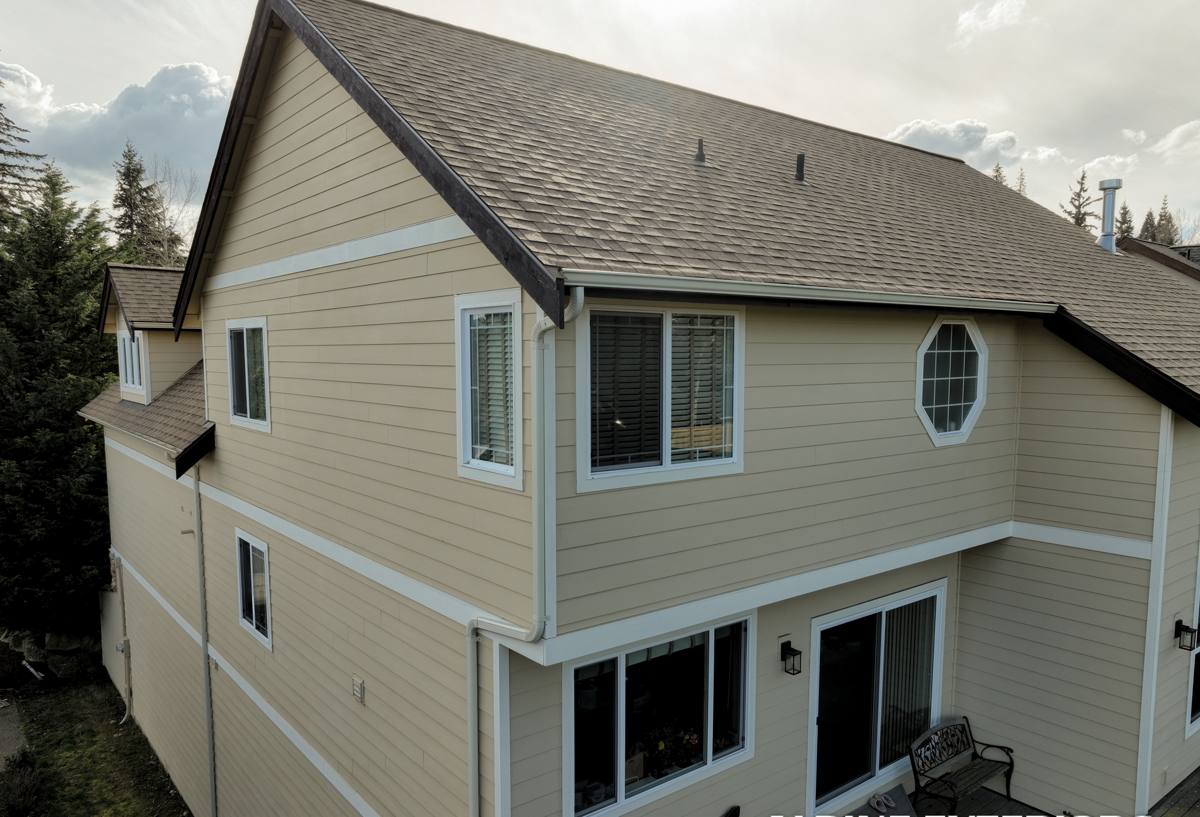
What Primed Wood Siding Actually Gets Right
- Authentic material — it's solid wood, not a wood look-alike, which matters to homeowners who want the real thing on a historic-style home.
- Paintable and repairable — small sections can be patched, sanded, and repainted by a reasonably skilled painter.
- Familiar installation — nearly every carpenter and painter in Florida knows how to work with it, so labor isn't hard to find for repairs.
- Lower material cost up front — it's often cheaper per square foot than premium fiber cement lines before you factor in lifetime maintenance.
Those are real advantages. They just don't hold up against what our climate does to the product over a 10-to-15-year window.
Why Largo's Climate Is Hard on Wood Siding
Moisture Is the Core Problem
Wood siding fails almost exclusively through moisture, not through simple wear. Pinellas County sits on a peninsula between Tampa Bay and the Gulf of Mexico, which means humidity stays elevated most of the year and wind-driven rain during summer thunderstorms and tropical systems drives water sideways into every lap joint, nail hole, and butt seam. Primed wood is only protected where the primer film is intact and unbroken. The moment a nail head pops, a caulk joint opens, or a scratch exposes bare wood, water gets behind the primer and the board starts absorbing moisture from the inside out — invisible from the street until the paint starts bubbling or the board edges go soft.
UV and Heat Cycling
Florida's UV exposure is intense and essentially year-round, not seasonal like it is farther north. That UV load breaks down paint film faster than manufacturers' repaint intervals assume, and the constant heat-cool, wet-dry cycling of a Gulf Coast summer expands and contracts wood fibers repeatedly. Over years, that cycling telegraphs through the paint as fine cracking, which is exactly where moisture finds its way in.
Salt Air and Wind-Driven Rain
Largo isn't right on the beach, but it's close enough to Tampa Bay and the Intracoastal that salt-laden air is a constant factor, and salt accelerates the breakdown of paint film and fastener coatings alike. Add in hurricane-season wind-driven rain that hits siding horizontally instead of running off vertically, and wood siding here is under a heavier moisture load, more consistently, than the same product installed in a drier inland climate.
The Maintenance Burden No One Mentions at the Sale
This is the part that actually drives the decision for most homeowners once they understand it. Primed wood siding is not a paint-it-once product. To get anywhere near its potential lifespan in this climate, it needs an ongoing maintenance schedule that most homeowners aren't told about up front.
| Maintenance Task | Typical Frequency (Gulf Coast) | Consequence if Skipped |
|---|---|---|
| Full repaint / recoat | Every 4-7 years | UV and moisture breach paint film, bare wood starts absorbing water |
| Caulk joint inspection and renewal | Every 1-2 years | Open joints let wind-driven rain behind the boards |
| Nail pop / fastener check | Annually | Exposed fastener holes become moisture entry points |
| Bottom-edge and end-cut inspection | Annually | Unsealed cut ends wick moisture fastest of any part of the board |
| Pest/rot inspection near grade | Annually | Soft, moisture-loaded wood attracts wood-boring insects |
Skip that schedule for a few years — which is exactly what happens on most owner-occupied homes once life gets busy — and the damage compounds quietly behind the paint until it shows up as soft boards, cupping, or visible rot at butt joints and bottom edges.
What This Looks Like in Practice
When we're called out to bid a siding replacement in Largo, primed wood siding failures follow a predictable pattern: the south and west-facing walls (the ones catching the most sun and wind-driven rain) fail first, damage concentrates at butt joints and near the ground where splashback and irrigation overspray keep the wood wet longer, and the paint often still looks presentable from the street while the substrate underneath has already gone soft. That gap between "looks fine" and "structurally compromised" is what makes wood siding risky to own in this climate — by the time it's visibly failing, the repair is usually a replacement, not a patch.
Signs You're Already Behind on Wood Siding Maintenance
- Paint that's chalking, cracking, or peeling in sheets rather than just fading
- Soft or spongy spots when you press on the siding, especially near the bottom courses
- Visible gaps at butt joints or around window and door trim
- Nail heads showing through the paint or slightly raised
- Dark staining or streaking below joints, a sign water is tracking behind the board
Why We Standardized on James Hardie Instead
We install James Hardie fiber cement exclusively, and the reason ties directly back to everything above. Hardie siding is engineered from cement, sand, and cellulose fibers — it doesn't absorb and swell with moisture the way wood does, and it isn't fuel for the kind of UV-and-humidity paint breakdown cycle that drives wood siding failures here. Hardie's HZ5 product line is specifically formulated for high-humidity, high-moisture climates like ours, which is a meaningful distinction — this isn't a general-purpose siding pushed into a demanding climate, it's a version of the product built for it.
The factory-applied ColorPlus finish is baked on under controlled conditions and backed by its own finish warranty, which sidesteps the repaint-every-few-years cycle that primed wood requires. Hardie boards also carry a strong transferable material warranty when installed to manufacturer spec, which matters both for your own peace of mind and for resale — a documented, warrantied siding system is a selling point; a wood siding repaint history is a question mark for buyers.
None of this means Hardie is maintenance-free — no exterior product is, in this climate. But the maintenance burden shifts from "recoat and re-caulk every couple of years or risk rot" to routine washing and periodic caulk checks at trim joints, which is a fundamentally lighter lift over a 20-30 year ownership period.
What We Recommend If You Already Have Wood Siding
If your Largo home currently has primed wood siding and it's still in reasonable condition, we're not going to tell you to rip it off tomorrow. What we do recommend:
- Get a professional moisture assessment before your next repaint, not after — catching soft spots early saves whole-wall replacement later
- Prioritize south and west elevations for inspection, since they take the brunt of Florida sun and storm-driven rain
- Budget for the real maintenance schedule, not just the sale price, when comparing wood to a fiber cement replacement
- Treat visible paint failure as a moisture symptom, not just a cosmetic issue, and have it looked at promptly
When wood siding does reach the point of replacement, that's the natural moment to switch systems rather than replace like-for-like, since you're already paying for full tear-off and re-installation labor either way.
The Bottom Line
Primed wood siding isn't a scam or a bad product in the abstract — it's a product built for a climate gentler than Pinellas County's. Between the humidity, the UV load, the wind-driven rain off the Bay and Gulf, and the salt air, wood siding here demands a maintenance discipline that's expensive and easy to fall behind on. We stopped installing it because we'd rather stand behind a siding system engineered for this exact climate than sell homeowners a product that looks right on installation day and quietly asks for a repaint fund every few years.
If you're weighing a siding replacement or repair in Largo and want a straight answer about what's actually going on with your current siding, we're happy to take a look. Reach out for a free, no-pressure estimate — no obligation, no hard sell, just an honest read on your home.