 Largo Siding
 Living on a Barrier Island Changes What Your Siding Has to Do
Belleair Beach sits out on the barrier island chain along Pinellas County's Gulf coast, and that location comes with a very specific set of demands on a home's exterior. It's not just "Florida weather" in the generic sense — it's Florida weather concentrated. Salt-laden air moves across the island constantly, sun exposure is close to year-round and unrelenting, and when a tropical system tracks anywhere near the Gulf, barrier island homes take the brunt of the wind and wind-driven rain before it ever reaches the mainland. Siding on a home here is doing a harder job than siding on a home ten miles inland, even though both are technically in the same county.
We work throughout the Largo area and out onto the beach communities, and we've built our approach around what actually holds up in this specific environment rather than what's easiest to install or cheapest to sell. That's why we standardized on one exterior cladding system for every siding job we take on: James Hardie fiber cement. We'll explain why below, but the short version is that barrier island conditions expose the weak points of other materials fast, and we'd rather not put something on a Belleair Beach home that we know is going to struggle.
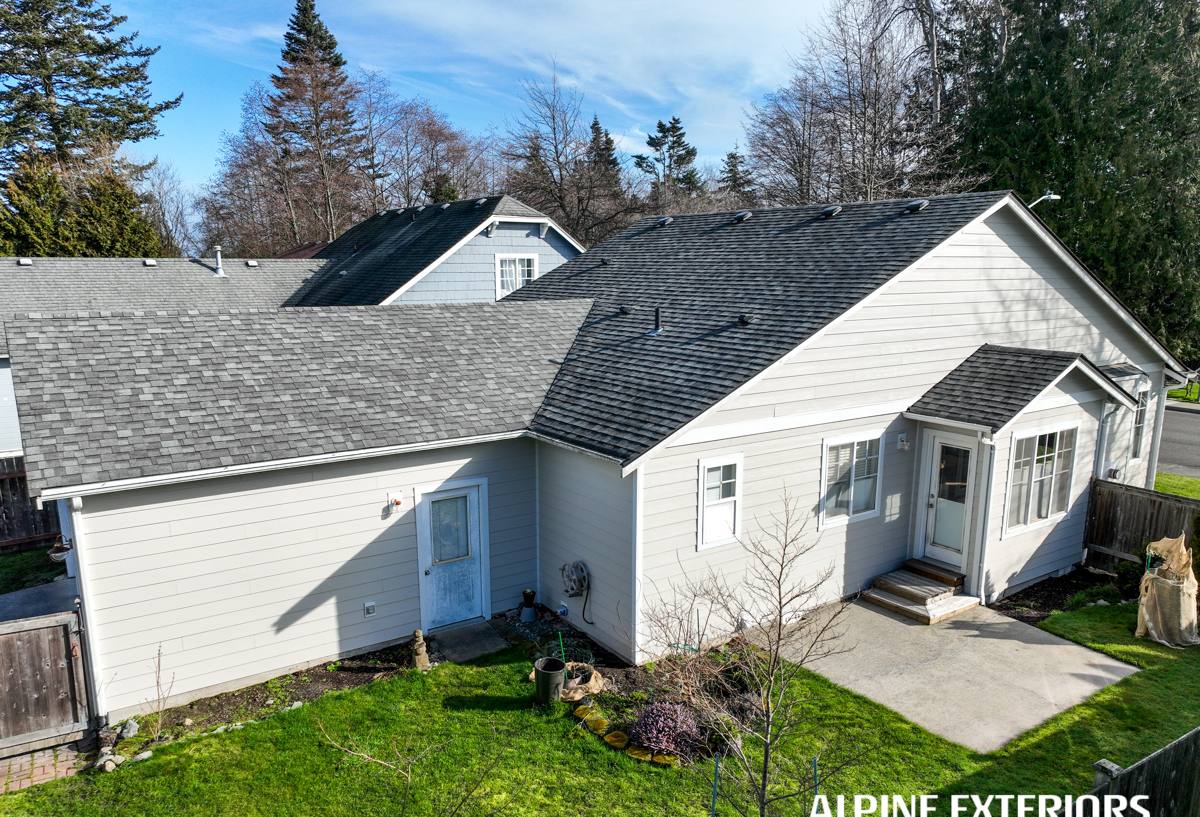
What Barrier Island Homes Actually Face
Wind
Belleair Beach and the surrounding coastal areas see sustained higher wind loads than inland Pinellas County even outside of named storms — the Gulf doesn't have anything to slow it down before it hits the island. During hurricane season, homes here are on the front line. Siding that isn't rated for the wind zone, or that isn't fastened correctly for it, is one of the first things to fail in a storm, and once siding starts peeling, water intrusion behind it follows immediately.
Salt Air
Salt air is corrosive and it doesn't stay near the water's edge — it travels on the wind and settles on every exterior surface on the island, including fasteners, trim, and the siding itself. Materials that aren't built to resist that corrosion and moisture cycling degrade visibly faster in a barrier island setting than they would even a few miles inland.
UV Exposure
Coastal Florida gets an enormous amount of direct sun, and an open barrier island community like Belleair Beach has less tree canopy shading homes than you'd find in older inland neighborhoods. UV breaks down pigments and surface coatings over time — this is why paint fade and chalking is such a common complaint on Gulf-facing homes, regardless of what's underneath the paint.
Wind-Driven Rain
Storms here don't just bring rain, they drive it sideways into the building envelope at speeds that push water past gaps and seams that would never be tested on a calm day. Siding that isn't installed with proper flashing, house wrap integration, and butt-joint treatment will leak long before the material itself actually fails.
Why We Only Install James Hardie Fiber Cement
We used to get asked why we don't offer vinyl, LP SmartSide, or a cheaper fiber cement alternative like some competitors do. The honest answer is that we made a decision as a company to standardize on one product line, and we picked the one that gives barrier island and coastal Pinellas homeowners the best combination of durability, appearance, and long-term value — James Hardie.
Non-Combustible
Fiber cement is engineered from cement, sand, and cellulose fibers, which makes it non-combustible. That's a meaningful advantage for insurance purposes and long-term peace of mind, and it's not something wood-based or vinyl products can match.
Built for Humid, Salt-Exposed Climates
James Hardie makes a HZ10 product line specifically engineered for high-humidity, moisture-heavy climates like Florida's Gulf coast. That's an important distinction — this isn't a general-purpose siding product being sold everywhere; it's a version of the product formulated for exactly the conditions Belleair Beach deals with.
ColorPlus Factory Finish
Instead of a job-site paint job that starts breaking down under UV within a few years, ColorPlus finishes are baked on in a controlled factory environment, through multiple coats, before the boards ever reach the site. That finish holds color and resists fading substantially better than field-applied paint, which matters enormously on a home that gets this much direct sun.
Dimensional Stability
Fiber cement doesn't expand, contract, warp, or rot the way wood-based products can when exposed to constant humidity swings and salt moisture. It holds its shape and its seams, which keeps the water-resistant barrier behind it doing its job.
Warranty Backing
James Hardie backs its products with a strong, transferable limited warranty — a real consideration for a Belleair Beach homeowner who may sell in the future, since a transferable warranty is worth something to a buyer evaluating the home's exterior condition.
What We Don't Install, and Why That Matters Here Specifically
We're not going to pretend other siding products don't have their place somewhere — they just don't have a place on our trucks, and coastal exposure is exactly why.
| Product | What It Gets Right | Why It's a Tougher Fit for Barrier Island Conditions |
|---|---|---|
| Vinyl siding | Low upfront cost, quick install | Can warp or become brittle under intense, sustained UV and heat; lower wind resistance ratings than fiber cement in most product lines |
| LP SmartSide (engineered wood) | Lighter weight, easier to cut on-site | Wood-based core is more sensitive to sustained moisture and humidity exposure than cement-based siding |
| Primed spruce / cedar | Natural look, traditional appeal | Requires ongoing repainting and sealing to hold up against salt air and UV; highest long-term maintenance burden of the group |
| Other fiber cement brands (Cemplank, Allura) | Similar base material to Hardie | We simply haven't found the finish durability, product line depth, or warranty structure to match what Hardie offers for this climate |
None of these are "bad" products in every context. But we install exteriors on Pinellas County's coast, and we'd rather stand behind one system we know performs here than offer a menu of options and let a homeowner unknowingly pick the one that's going to give them trouble in five years.
How We Approach a Belleair Beach Siding Job
Inspection First
Before we talk product or price, we look at the actual condition of the home — the existing siding, the sheathing underneath where accessible, window and door flashing, and any signs of past water intrusion. Barrier island homes sometimes have moisture damage hiding behind siding that looks fine from the street, and we're not going to install new siding over a problem that needs to be addressed first.
Correct Installation Sequence
Fiber cement is only as good as its installation. On a coastal job, we pay particular attention to:
- Proper house wrap and moisture barrier integration behind the siding
- Correct flashing at windows, doors, and roof-to-wall transitions
- Fastener spacing and type rated for the local wind zone
- Butt joints and seams treated to shed wind-driven rain rather than trap it
- Proper clearance between siding and grade, decks, or roof lines to avoid trapped moisture
Beyond Siding
Siding, roofing, windows, and decks all interact on a coastal home — a roof leak can damage siding from behind, and an aging deck ledger board can create a moisture path into the wall assembly. Because we handle all four, we can flag issues in one system while we're working on another, instead of a siding crew ignoring a roofing problem that's sitting right above the work they're doing.
What Belleair Beach Homeowners Should Budget For
Every home is different, and we'll give you real numbers after we've actually looked at your house — but broadly, siding costs on a coastal job are driven by a few factors:
| Factor | Why It Affects Cost |
|---|---|
| Home size and complexity | More square footage and more corners, gables, and trim details increase material and labor |
| Condition of the substrate | Water damage or rot found underneath old siding needs repair before new siding goes on |
| Siding profile and finish | Lap width, texture, and color selection within the Hardie product line affect material cost |
| Access and site conditions | Tight lot lines, elevated homes, or limited staging space common on barrier islands can affect labor time |
| Trim and accessory work | Fascia, soffit, and trim replacement alongside siding adds scope but improves the whole envelope |
Why a Local Crew Matters Here
A crew that mainly works inland jobs doesn't necessarily think about salt exposure, storm wind ratings, or the humidity behavior of a wall assembly the same way a crew that regularly works the beach communities does. We're familiar with the practical realities of working on the islands — tighter lots, storm season scheduling considerations, and the fact that a barrier island home simply takes more environmental abuse over its lifetime than a comparable home further inland. That's local knowledge that shows up in the details of an install, not just in a sales pitch.
Get a Straightforward Look at Your Home
If you're dealing with aging, damaged, or failing siding on a Belleair Beach home, or you just want an honest read on how your exterior is holding up against the salt air and sun, we're happy to come take a look. We'll give you a free, no-pressure estimate and tell you straight what we see — no upsell, no scare tactics, just what the house actually needs.