 Largo Siding
 Siding Services in Dunedin, Florida
Dunedin sits on the Gulf side of Pinellas County, close enough to the water that salt air, humidity, and storm winds are just part of owning a home there. Whether your house is a few blocks from the causeway or set back in one of Dunedin's older neighborhoods with mature oak canopy, the exterior takes a beating year-round that inland Florida homes simply don't experience the same way. We're a Largo-based exterior contractor working throughout Pinellas County, and Dunedin is part of our regular service area for siding, roofing, windows, and decks.
This page focuses on siding because it's usually the first thing to show wear on a Gulf-coast home — but everything here connects to the roof, windows, and trim around it. A siding job done right accounts for how water moves off the roof, how windows are flashed, and how the whole envelope holds up together.
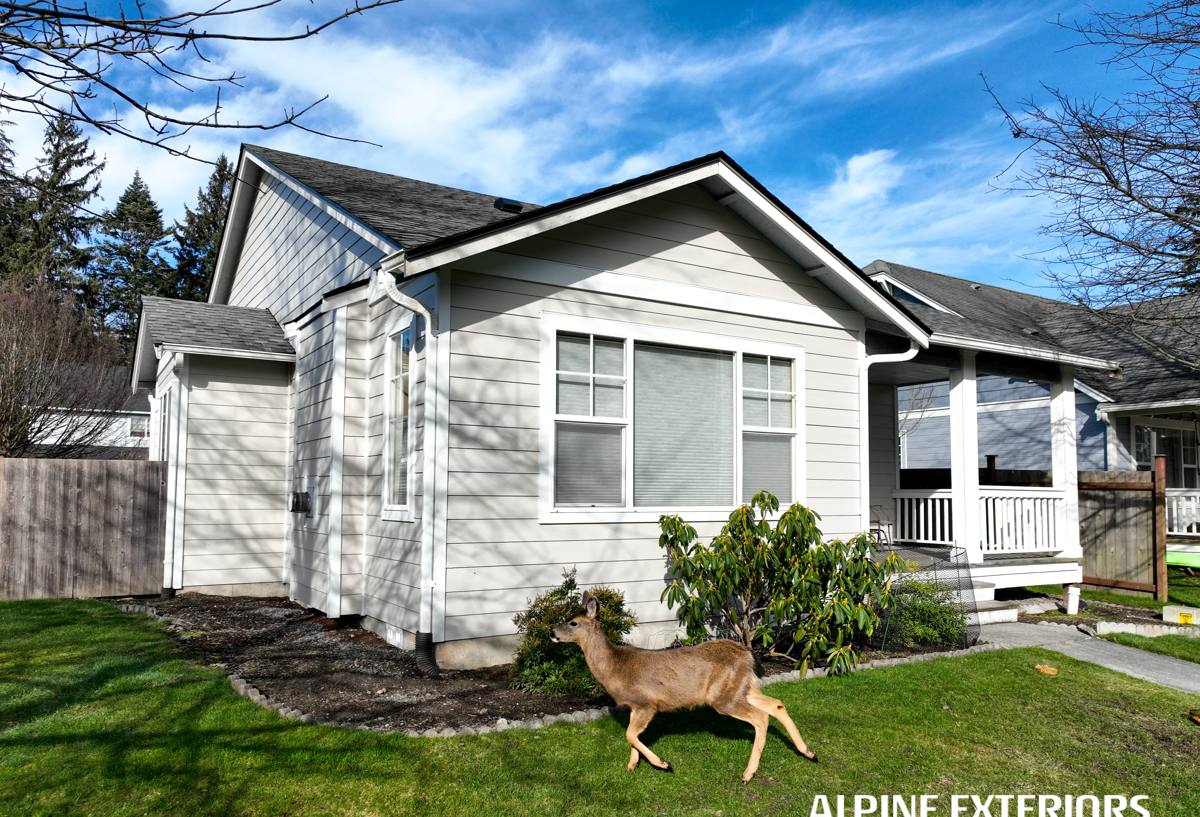
What Dunedin's Climate Does to Exterior Siding
Homes in this part of Pinellas County face a specific combination of stressors, and it's worth understanding each one before deciding what to put on your walls.
Hurricane and tropical-storm wind
Dunedin isn't immune to the wind events that move through the Gulf each season. Siding has to stay fastened and intact through sustained wind and gusts, and it has to resist the debris that gets thrown around during a storm — branches, palm fronds, and airborne fragments from less-secure structures nearby. Lightweight or poorly fastened siding is the first thing to peel, crack, or launch off a wall in these conditions.
Intense, near-constant UV exposure
Florida sun is harder on exterior materials than most homeowners realize until they've watched a paint job fade or chalk within a few years. UV breaks down pigments and the surface resins in many siding products, leading to fading, chalking, and eventually a repaint cycle that never really ends.
Wind-driven rain
It's not just how much rain falls — it's the direction it comes from. Storms off the Gulf push rain sideways into walls, seams, and trim, testing every joint, seam, and piece of flashing on the house. Products or installations that handle vertical rain fine can still fail against wind-driven rain if seams aren't sealed and lapped correctly.
Salt air
Proximity to the Gulf and Intracoastal means airborne salt is a constant, even a mile or more inland. Salt accelerates corrosion of fasteners and metal trim, and it interacts with certain siding materials and finishes in ways that speed up degradation compared to non-coastal parts of the state.
None of this is unique to Dunedin among Pinellas County communities, but it's a real, ongoing set of conditions — not a once-a-decade hurricane risk. It's daily sun, regular humidity swings, and salt in the air every day of the year.
Why We Install James Hardie Fiber Cement — and Nothing Else
We made a decision as a company to install only James Hardie fiber cement siding. We don't install vinyl, LP SmartSide, Cemplank, Allura, or primed wood products like spruce or cedar. That's not a marketing position — it's a standard we hold because of what we've seen these products do, and not do, on real Gulf-coast homes over time.
Fiber cement is non-combustible, doesn't expand and contract with heat the way vinyl does, and holds paint and color far longer than wood or many engineered wood products. James Hardie's HZ5 product line is specifically engineered for high-humidity, storm-prone climates like ours, and their ColorPlus factory-applied finish is baked on and warrantied against fading in a way that field-applied paint on other materials can't match.
We're not going to tell you every alternative product is bad. Vinyl is inexpensive and easy to install. Wood has real curb appeal for the right style of home. Engineered wood products can look good fresh out of the box. But each of those comes with a real trade-off in a coastal, high-UV, storm-exposed market — moisture sensitivity, shorter repaint cycles, impact vulnerability, or warranty limitations that show up years down the road, often right when a homeowner needs the material to perform. We'd rather install one product correctly and stand behind it than offer a menu of options we don't fully believe in for this climate.
What James Hardie gets right for this area
- Non-combustible composition — a real advantage during dry spells and wildfire-adjacent risk, and a factor some insurers recognize
- Engineered specifically for humid, storm-exposed climates (HZ5 line)
- Factory-applied ColorPlus finish resists the fading and chalking that UV causes in field-painted materials
- Rigid, dense composition that holds up to wind-driven rain and impact better than vinyl
- Doesn't rot, doesn't attract termites, and doesn't require the ongoing sealing and repainting that wood siding demands
- Strong transferable warranty backed by a manufacturer with a long track record in coastal markets
How Our Siding Process Works
Every job starts with an in-person look at the house, not a phone estimate. We check the current condition of the siding, the state of the sheathing and water barrier underneath if we're doing a full tear-off, and how the roofline, windows, and trim interact with the wall assembly.
Assessment and prep
We look for signs of moisture intrusion, soft spots in sheathing, and any existing damage that needs to be addressed before new siding goes up. Covering a moisture problem instead of fixing it just guarantees a repeat failure a few years later.
Installation to manufacturer spec
James Hardie siding is only as good as its installation. Fastener spacing, clearances at grade and roofline, proper flashing at windows and doors, and correct joint treatment all matter — and all of it is invisible once the job is finished, which is exactly why it has to be right the first time. A poorly installed Hardie job can still trap moisture or fail at the seams; a well-installed one is built to perform for decades.
Final detailing
Trim, caulking, and touch-up work at seams and penetrations get closed out before we consider a job finished. These are the small details that determine whether wind-driven rain finds a way in five years from now.
Siding Is Rarely the Only Story
Most homes that need new siding are due for attention elsewhere on the exterior too, which is why we handle roofing, windows, and decks in addition to siding.
Roofing
Your roof and siding work together as a system — roof edge details, drip flashing, and overhangs all affect how water sheds off the house and whether it reaches the siding at all. If your roof is older, it's worth having it assessed at the same time as your siding.
Windows
Window flashing and integration with the siding plane is one of the most common failure points on any home, coastal or not. When we replace siding around existing windows, we make sure that integration is done correctly rather than just siding up to the existing frame and hoping for the best.
Decks
Outdoor living spaces in Dunedin see the same sun and salt exposure as the siding does, just from a different angle. If you're already planning exterior work, it's a practical time to evaluate deck condition as well.
Why a Local Crew Matters Here
Pinellas County's coastal exposure isn't the same as siding a home in central Florida or further inland. A crew that works this specific stretch of the Gulf coast regularly understands how to detail a house against wind-driven rain, how salt air affects fastener choice, and what HZ5-rated materials are built to handle. We're based in Largo and work Dunedin and the surrounding Pinellas communities routinely — this isn't a market we occasionally pass through.
Local also means accountability. If a warranty question or a detail needs a second look after the job is done, we're not a phone number in another state — we're down the road.
What Affects the Cost of a Siding Project
Every home is different, but these are the main factors that drive pricing on a Dunedin siding job:
| Factor | Why It Matters |
|---|---|
| Home size and wall complexity | More square footage, corners, and dormers mean more material and labor |
| Current condition of sheathing | Rot or moisture damage found during tear-off adds repair scope |
| Siding profile and accessories | Lap width, trim style, and soffit/fascia work change material costs |
| Access and site conditions | Tight lots, fencing, or landscaping can affect labor time |
| Paint/color selection | Factory ColorPlus finishes vs. field-painted trim affect long-term maintenance cost |
| Scope beyond siding | Bundling roofing, windows, or trim work can affect overall project sequencing and cost |
A Homeowner's Pre-Project Checklist
- Note any areas of visible siding damage, warping, or soft spots you've noticed
- Check for staining or streaking below windows or roof lines, which can point to water intrusion
- Know roughly how old your current siding, roof, and windows are
- Ask any contractor you're considering whether they install to the manufacturer's written installation instructions, not just "how they've always done it"
- Get clarity on what's covered by material warranty versus workmanship warranty, and who backs each one
- Ask how fastener and flashing details are handled at doors, windows, and rooflines specifically
Get a Straightforward Look at Your Home
If your Dunedin home's siding is fading, cracking, or showing its age, it's worth having someone look at it in person before deciding what to do next. We'll walk the exterior with you, point out what we see, and give you an honest read on condition and options — no pressure, no obligation. Use the form below to request a free estimate.