 Largo Siding
 Why Seminole Homes Wear Out Siding Faster Than Inland Homes
Seminole sits close enough to the Gulf and to Boca Ciega Bay that homes here take a different kind of beating than a house twenty miles inland in Pinellas County. Salt-laden air corrodes fasteners and trim, wind-driven rain finds every gap in a wall system during a summer storm, and the sun is up and working on painted or coated surfaces nearly every day of the year. None of these forces are dramatic on their own. The damage shows up slowly, as chalking paint, soft spots at butt joints, or siding that has quietly separated from the wall behind it.
If you're noticing your siding looks tired after only 10-15 years, or if a recent storm season left visible cracking, buckling, or staining, you're not imagining a problem unique to your house. It's a pattern we see across this part of Largo and the surrounding Seminole area, and it's exactly why the material and the installation method matter more here than they would in a milder climate.
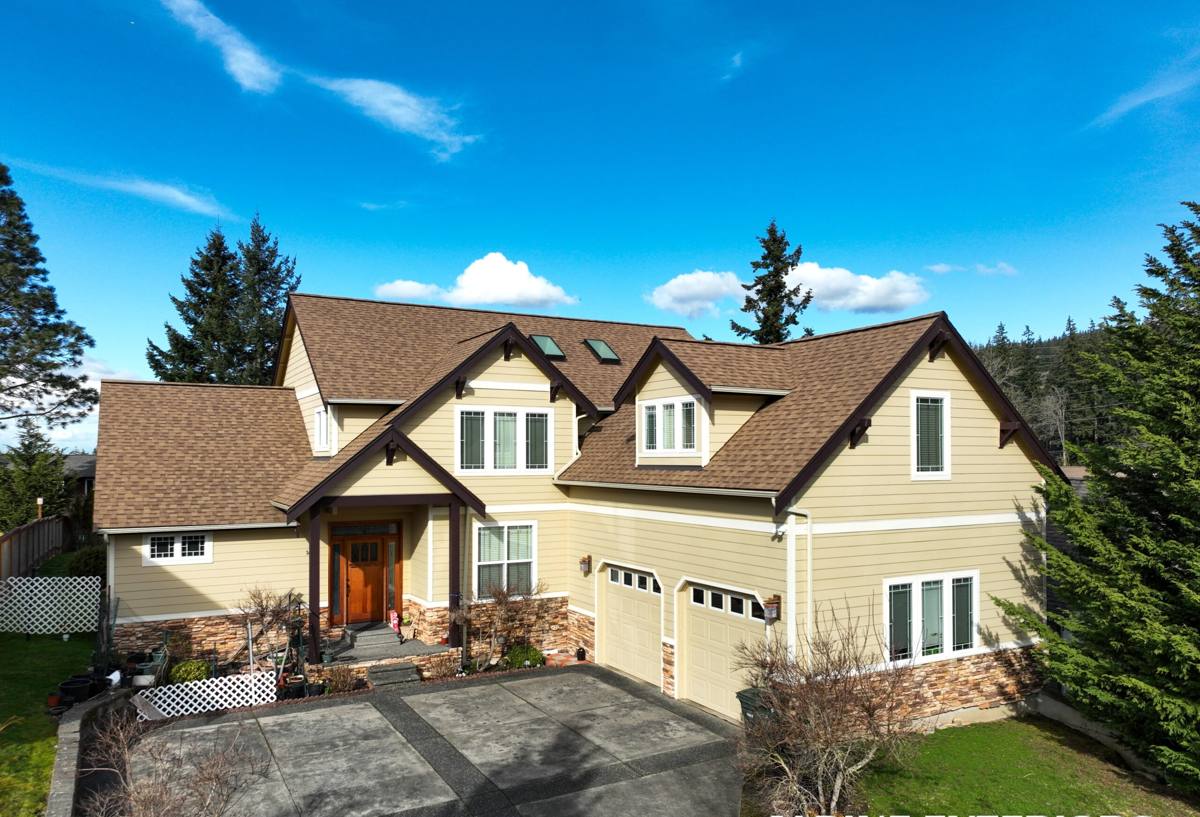
What Seminole's Climate Actually Does to a Wall System
Wind and Wind-Driven Rain
Pinellas County sits in a hurricane-exposed corridor, and even in years without a direct hit, seasonal storms push rain sideways against exterior walls for hours at a time. Siding that isn't installed with the correct laps, flashing, and fastening pattern lets water track behind the cladding rather than shedding it. Once water gets behind the siding, the problem usually isn't visible again until it becomes a repair rather than routine maintenance.
Year-Round UV Exposure
Florida's sun degrades paint film and lower-grade composite materials from the outside in. Color fades unevenly, especially on the sun-facing sides of a house, and any siding product with a factory finish that isn't engineered for this exposure will need repainting well before its structural life is over.
Salt Air
Being close to the coast means airborne salt settles on every exterior surface, including fasteners, trim, and the siding itself. Salt accelerates corrosion of metal components and can contribute to surface breakdown on materials that aren't rated for coastal exposure.
Humidity and Moisture Cycling
Between afternoon storms and the general humidity of a Gulf Coast summer, siding here goes through constant wet-dry cycling. Materials that swell, absorb moisture, or hold water at cut edges and seams are working against this cycle instead of tolerating it.
What a Correct Siding Replacement Involves
Replacing siding isn't just removing old panels and nailing up new ones. A job done to spec in a climate like Seminole's has several stages, and skipping any of them is where most premature failures start.
1. Tear-Off and Substrate Inspection
Once the old siding is off, the sheathing underneath gets inspected for rot, soft spots, or prior water intrusion. This is the point where hidden damage from years of wind-driven rain typically surfaces, and it needs to be addressed before anything new goes up.
2. Weather-Resistive Barrier
A proper water-resistive barrier (house wrap) goes over the sheathing, lapped correctly so water is directed outward and down, not trapped behind the new siding.
3. Flashing at Every Penetration
Windows, doors, hose bibs, vents, and any other wall penetration need correctly integrated flashing. This is one of the most commonly rushed steps in the trade, and it's usually the source of the water damage we find when we open up an older wall.
4. Siding Installation to Manufacturer Spec
Fastener type, fastener spacing, gapping at butt joints, and clearance from the ground and roofline all matter — not as a formality, but because each one has a specific failure mode if ignored in a coastal wind-and-rain environment.
5. Trim, Caulking, and Finish Detail
The finish details are what most homeowners judge a job by, but they're also functional: correct caulking at joints and trim keeps water out, and it's the last line of defense before the barrier and flashing underneath.
Why We Install Only James Hardie Fiber Cement
We don't install vinyl, LP SmartSide, Cemplank, Allura, or primed wood siding, and in a climate like Seminole's, that's a deliberate standard rather than a sales preference. Here's the honest reasoning:
- Vinyl can warp or distort in intense, sustained heat and doesn't hold up as well structurally in high-wind events unless installed with extra care most crews skip.
- Wood-based composite products (LP SmartSide and similar) perform well in many climates, but they rely on an intact factory coating and correct field sealing of cut edges to resist moisture. In a wet-dry cycling coastal climate, any lapse in that maintenance becomes an entry point for swelling and rot.
- Other fiber cement brands (Cemplank, Allura) are legitimate products, but we've standardized on one manufacturer's system so our crews install to one spec, one warranty structure, and one finish system they know cold — rather than switching between products with different installation tolerances.
- Primed spruce or cedar looks good on day one but requires an ongoing repainting and caulking commitment that most homeowners underestimate, especially with Florida's UV load working against the paint film year-round.
James Hardie fiber cement is non-combustible, dimensionally stable in heat and humidity, and its ColorPlus factory finish is engineered to resist fading and hold up under intense UV exposure without needing repainting on the same schedule as painted wood or vinyl. Hardie's HZ5 product line is specifically engineered for high-humidity, hurricane-exposed climates like ours, and the transferable warranty backs the product for the homeowner, not just the original buyer.
Comparing Siding Options for a Seminole Home
| Factor | Vinyl | Wood/Composite | James Hardie Fiber Cement |
|---|---|---|---|
| Wind resistance | Moderate; can crack or blow off in severe gusts if under-fastened | Good structurally, moisture-sensitive at edges | Engineered and rated for high-wind coastal exposure |
| UV/fade resistance | Fades and can become brittle over time | Depends on paint maintenance schedule | ColorPlus finish resists fading, factory-baked |
| Moisture/humidity behavior | Doesn't absorb water, but seams can trap moisture | Can swell or rot if coating is compromised | Dimensionally stable, not wood-based |
| Salt air durability | Generally stable, fasteners can corrode | Coating breakdown accelerates near coast | Stable material, corrosion-resistant fastening specified |
| Maintenance | Low, but limited repair options if damaged | Regular repainting and caulk inspection needed | Repaint cycle measured in decades, not years |
| Fire rating | Combustible | Combustible | Non-combustible |
This isn't a claim that other products fail outright — it's a picture of trade-offs. In Seminole's specific combination of wind, sun, and salt, those trade-offs tip clearly toward fiber cement, which is why it's the only material we put on a home.
Signs Your Seminole Home Needs Siding Replacement (Not Just Repair)
- Soft or spongy spots when you press on the siding, especially near the bottom courses or below windows
- Visible warping, buckling, or bowing panels
- Paint that's chalking heavily or peeling in sheets rather than just fading
- Cracks that run along seams or at fastener points
- Increased pest activity at the base of exterior walls
- Rising energy bills that suggest the wall system is no longer sealing properly
- Visible mold or staining that returns shortly after cleaning
A few of these can sometimes be addressed with spot repair. But once you're seeing more than one or two at the same time, it's usually a sign the underlying wall system — not just the surface — is compromised, and replacement becomes the more cost-effective path.
Our Process for a Seminole Siding Replacement
Every project starts with an on-site inspection, not a phone estimate. We look at the current siding, check for hidden moisture or substrate damage, and talk through what your home actually needs given its exposure — a house facing prevailing wind and rain patterns often needs different detailing than one that's more sheltered by surrounding structures.
From there, we provide a written estimate that spells out the Hardie product line, color, and trim package, along with the scope of tear-off, barrier, and flashing work involved. We don't quote a number without first understanding what's happening at the substrate level, because a quote that skips that step is usually a quote that skips the work too.
During installation, our crews follow Hardie's published fastening and clearance specifications exactly — not as a formality for the warranty paperwork, but because those specs exist specifically to handle the wind and moisture loads a coastal Florida home experiences.
Why Local Experience in Seminole and Largo Matters
A siding crew that mostly works inland jobs may not think twice about ground clearance, fastener corrosion resistance, or flashing detail around a coastal home's window openings — because in a milder climate, cutting a corner there doesn't show up as a problem for years, if ever. In Seminole, it shows up in one storm season.
Working this area regularly means knowing which details actually matter for homes exposed to Gulf-adjacent wind and salt, and building every installation around those details rather than a generic national spec sheet. That local pattern recognition is part of what you're paying for when you hire a crew that already works in Pinellas County, not just a crew that's willing to drive here once.
What to Expect Cost-Wise
Siding replacement costs vary based on the size of the home, the amount of substrate repair needed, trim complexity, and the specific Hardie product and color selected. Rather than quote a number that doesn't reflect your home's actual condition, we provide that detail after the on-site inspection, broken down so you can see exactly what you're paying for — tear-off, substrate repair, materials, and installation.
If you're ready to find out what your home actually needs, we're happy to walk the property with you and give you a straight answer — no pressure, no inflated scare tactics about your current siding, just an honest look and a written estimate. Reach out for a free estimate and we'll schedule a time to come take a look.