 Largo Siding
 Why Redington Beach Homes Need a Different Approach to Siding
Redington Beach sits on a narrow barrier island in Pinellas County, with the Gulf of Mexico on one side and the Intracoastal Waterway on the other. That location is what makes the town beautiful, and it's also what makes the exterior of a house here work harder than almost anywhere else in the Tampa Bay area. Salt aerosol drifts inland from the Gulf every day, not just during storms. Humidity stays high most of the year. UV exposure is intense and constant. And when a tropical system does come through, homes on this barrier island take the wind and wind-driven rain before the mainland ever feels it.
Siding on a home like this isn't just a cosmetic layer. It's the first line of defense against moisture intrusion, wind uplift, and material breakdown. A product or installation that would hold up fine forty minutes inland in Largo can fail years early a few blocks from the Gulf. That's the reasoning behind everything below.
What the Local Climate Actually Does to Exterior Materials
Salt Air and Corrosion
Airborne salt doesn't just affect metal fasteners and flashing — it accelerates the breakdown of many siding materials and finishes, especially anything with wood content or a film-forming paint layer. Salt crystals hold moisture against a surface longer than plain humidity would, which keeps materials wetter for longer stretches between dry-out periods.
Humidity and Moisture Cycling
Pinellas County runs humid nearly year-round, and a barrier island like Redington Beach gets an extra dose of it from Gulf and Intracoastal moisture on both sides. Siding here goes through constant micro-cycles of absorbing and releasing moisture. Materials that swell, warp, or delaminate under repeated wetting are a poor match for this environment.
Wind and Wind-Driven Rain
Hurricane-force wind isn't a once-a-decade concern this close to the coast — it's a design consideration for every exterior product installed here. Wind doesn't just test how well siding is fastened; it drives rain sideways and upward, forcing water into laps, seams, and penetrations that would stay dry in a normal rainstorm.
UV Exposure
Florida sun is strong everywhere, but open, low-lying coastal terrain with little tree canopy means Redington Beach homes get fuller, more direct UV exposure than shaded inland lots. UV breaks down pigments and resins over time, which is why fade resistance matters as much as water resistance in choosing a siding product.
Why We Install Only James Hardie Fiber Cement
We made a decision as a company to install James Hardie fiber cement siding exclusively — not vinyl, not LP SmartSide, not Cemplank, not Allura, not primed wood or cedar. That's not a brand preference; it's a response to what we've seen these coastal conditions do to buildings over time.
Fiber cement is composed of cellulose fiber, sand, and portland cement. It doesn't have an organic wood core that can absorb water and swell, and it's non-combustible, which matters in a state where lightning-sparked and wind-driven fires are a real risk. James Hardie's ColorPlus finish is baked on in a controlled factory process rather than sprayed on site, which gives it more consistent UV and fade resistance than field-applied paint. Hardie also engineers region-specific product lines (their HZ5 formulation is built for humid, high-moisture climates like ours), which is a level of climate-specific engineering that most competing products don't offer.
None of this means other products are unusable everywhere. It means that for a barrier island environment with constant salt exposure, high humidity, and hurricane wind risk, we're not willing to put our name on an installation using a product that isn't built for it.
How Fiber Cement Compares on the Factors That Matter Here
| Factor | James Hardie Fiber Cement | Vinyl | Wood / Engineered Wood |
|---|---|---|---|
| Moisture absorption | Very low; won't rot or swell | Doesn't absorb, but seams/panels can distort in heat | Absorbs moisture; risk of swelling and rot |
| Wind rating | Engineered and tested for high-wind installation | Can crack or blow off in sustained hurricane wind | Depends heavily on fastening; edges vulnerable |
| UV/fade resistance | Factory-baked ColorPlus finish | Can fade and become brittle over time | Field-applied paint/stain needs regular recoating |
| Fire performance | Non-combustible | Combustible | Combustible |
| Salt air durability | Engineered for humid coastal climates (HZ5) | Generally stable, but seams and fasteners can suffer | Vulnerable to accelerated decay near salt air |
What a Proper Coastal Installation Involves
The siding product is only half the equation. On a barrier island lot, installation details decide whether that product performs for decades or fails in five years.
Fastening and Wind Uplift
Every fastener, spacing pattern, and lap detail needs to account for the wind loads this location actually sees, not a generic inland standard. That includes corner treatments and edges, which are where wind uplift concentrates first.
Moisture Management Behind the Siding
A correctly built wall assembly — house wrap or weather-resistant barrier, properly lapped flashing, and back-ventilation where called for — is what keeps wind-driven rain from becoming a problem behind the siding, not just on top of it. Siding that looks fine from the street can still be failing behind the surface if this layer was rushed.
Penetrations and Trim Details
Every window, door, vent, and hose bib penetration is a potential entry point for wind-driven rain. Sealing and flashing these correctly matters more here than almost anywhere inland in the county.
Beyond Siding: Roofing, Windows, and Decks in a Coastal Setting
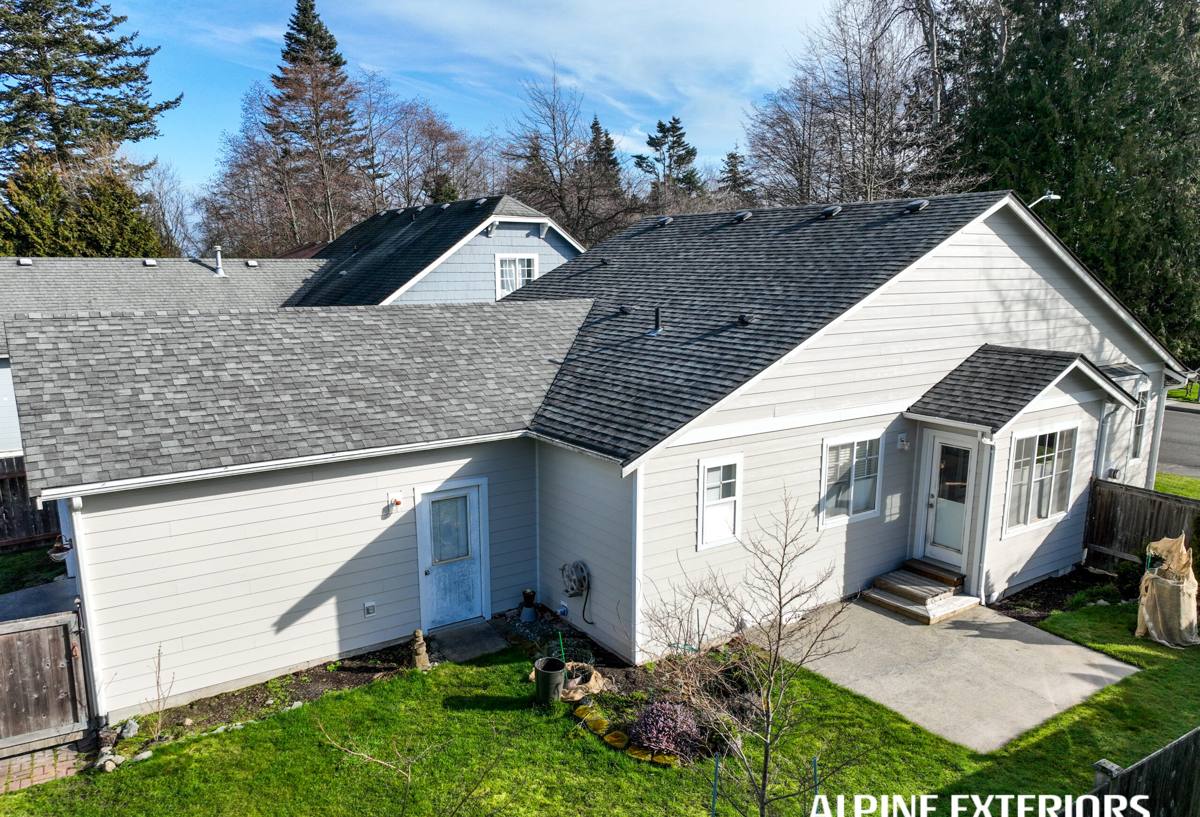
Siding doesn't act alone. On a Redington Beach home, the roof, windows, and any exterior deck or porch structure all face the same salt, wind, and UV load, and they all interact with the siding at the connection points — fascia, soffits, window trim, and ledger boards.
- Roofing that isn't properly sealed and fastened for wind uplift lets water into the same wall cavities siding is trying to protect.
- Older or poorly sealed windows are one of the most common paths for wind-driven rain intrusion during a storm, regardless of how good the siding is.
- Decks and outdoor structures exposed to salt air and sun need materials and fasteners chosen with the same coastal logic as the siding itself.
Because we handle siding, roofing, windows, and decks, we look at the whole exterior envelope as one system rather than treating each component in isolation — which matters most exactly in an environment like this one.
Signs a Redington Beach Home Needs Siding Attention
- Visible warping, buckling, or soft spots, especially near ground level or roof lines
- Paint or finish that's chalking, peeling, or fading unevenly
- Gaps or separation at seams, corners, or trim boards
- Soft or discolored areas around window and door trim
- Visible fastener corrosion or staining running down the siding
- Increased humidity or musty smell inside near exterior walls
Why a Local Crew Matters Here
Redington Beach is a small barrier island community, and the building conditions on it — wind exposure, salt load, flood and wind-zone requirements — are different from a job forty minutes inland in Largo. A crew that works this coastline regularly understands how to sequence a job around Gulf-side weather, how to handle the wind and moisture detailing correctly the first time, and what tends to fail early on homes in this specific setting. That local pattern recognition is hard to replace with a crew that only occasionally works this close to the water.
What Affects the Cost of a Siding Project Here
| Factor | Why It Matters on a Barrier Island |
|---|---|
| Extent of moisture/wind damage found underneath old siding | Coastal homes more often need sheathing repair before new siding goes on |
| Home size and wall complexity | More corners, penetrations, and trim details mean more labor-intensive sealing |
| Access and site conditions | Narrow lots and close-set homes common on the island can affect staging and logistics |
| Product line and finish selection | Hardie's HZ5 and ColorPlus options vary in cost versus standard lines |
| Scope beyond siding | Bundling roofing, window, or trim work can affect overall project sequencing and cost |
Get a Straight Answer for Your Home
Every home on this stretch of coast carries its own history of storms, sun, and salt exposure, and the right approach depends on what's actually going on with your walls, not a generic recommendation. If you'd like a straightforward, no-pressure look at your siding, roofing, windows, or deck, we're happy to walk the property with you and tell you honestly what we see. Fill out the form below to request a free estimate.