 Largo Siding
 A Barrier Island Puts Different Demands on a House
Indian Shores sits on a narrow strip of land with the Gulf of Mexico on one side and the Intracoastal Waterway on the other. That geography is part of what makes the area desirable, and it's also exactly why the exterior of a home there ages differently than a house a few miles inland in Largo or Clearwater. Salt-laden air moves across the property from two directions instead of one, humidity stays high for most of the year, and there is rarely a windbreak of any real size between a house and open water.
We work throughout Pinellas County, and Indian Shores is one of the areas where the gap between a correctly chosen, correctly installed exterior and a poorly matched one shows up fastest. A siding, roofing, window, or deck product that performs fine in a subdivision ten miles inland can fail years ahead of schedule on a barrier island. This page walks through what local homes actually face and how our approach is built around it.
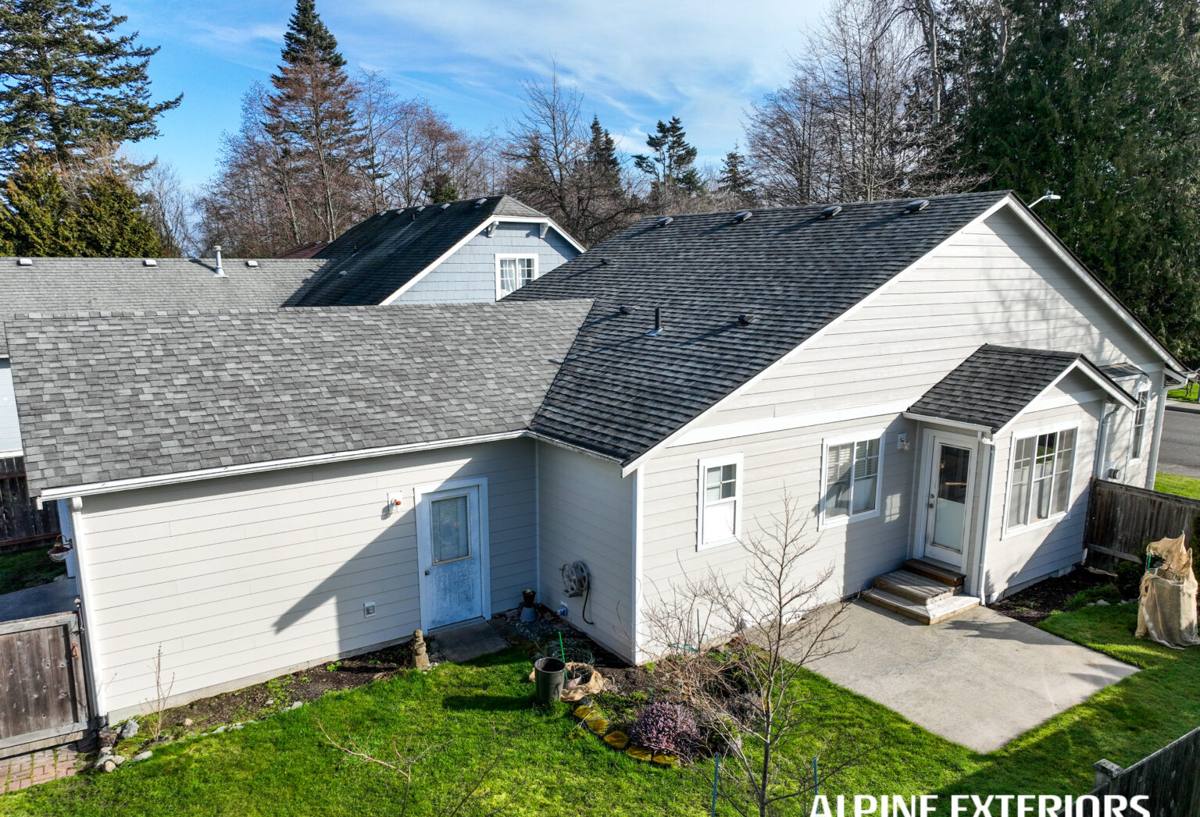
What Salt Air and Gulf Exposure Do to a Home's Exterior
Airborne salt is corrosive to metal fasteners and trim, and it's abrasive to painted and coated surfaces over time. On a barrier island, that exposure is constant, not occasional. A few specific effects we plan around:
- Fasteners and flashing that aren't rated for coastal exposure corrode faster, which can loosen siding panels and trim well before the siding material itself has worn out.
- Painted finishes that rely on field-applied coats tend to chalk, fade, and lose adhesion sooner near open water than they would inland.
- Humidity that stays elevated for long stretches keeps moisture in contact with wall assemblies longer, which matters most for any material that can absorb water or swell.
- UV exposure is intense and nearly year-round in this part of Florida, which accelerates the breakdown of lower-grade coatings regardless of the base material underneath.
None of this means a house on Indian Shores is doomed to constant repairs. It means material choice and installation detailing matter more here than they do in a lot of the country, and cutting corners on either one shows up sooner on a barrier island than almost anywhere else in the county.
Wind-Driven Rain and Water Management
Why the Wall Assembly Matters as Much as the Siding
Storms coming off the Gulf don't just bring rain straight down — wind pushes it sideways, sometimes hard, and it finds any gap in a wall's water management system. Siding is the visible layer, but the house wrap, flashing at windows and doors, and the drainage plane behind the siding are what actually keep that wind-driven rain from reaching the wood framing and sheathing underneath.
This is why we treat siding replacement as a wall system project, not a cosmetic swap. Flashing details around penetrations, proper lap and overlap at seams, and a continuous drainage plane behind the cladding matter as much as which siding product goes on top. A premium siding material installed over a compromised water barrier will still lead to rot and moisture damage — the siding just delays when the problem becomes visible.
Signs Water Is Already Getting In
- Soft or spongy spots when you press on siding or trim near ground level or around windows
- Peeling or bubbling paint in a localized area rather than uniformly across a wall
- A musty smell near an exterior wall that doesn't go away with cleaning
- Visible gaps, cracks, or separation at seams and corners
- Staining below window sills or door thresholds
Hurricane Wind Loads and What Siding Needs to Handle
Pinellas County's barrier islands are built to wind standards that reflect their exposure, and any exterior work we do accounts for the codes and wind-load requirements that apply in Indian Shores specifically. For siding, that means attention to fastening schedules, panel engagement, and manufacturer installation instructions rated for the applicable wind zone — not a generic nailing pattern pulled from a product that was engineered for a milder climate.
This is one of the practical reasons we standardized on James Hardie fiber cement rather than offering a menu of siding brands. Hardie's HZ5 product line is engineered specifically for high-humidity, storm-prone climates like ours, with installation specs designed around wind and moisture performance rather than general-purpose use. Installing to those specs — not just installing the product — is what actually delivers the performance the material is capable of.
Why We Only Install James Hardie Fiber Cement
We get asked fairly often why we don't offer vinyl, LP SmartSide, or other engineered wood options, especially since some of those products cost less up front. The honest answer is that we made a call about what holds up on this coastline and decided not to install products we don't believe in for this specific environment.
Vinyl siding can soften, warp, or deform in sustained high heat and is limited in the wind speeds it's rated to withstand — a real consideration on an exposed barrier island. Engineered wood siding products use wood fiber with resin binders, and while manufacturing has improved significantly, any wood-based product is more sensitive to sustained moisture exposure than fiber cement, and that sensitivity is magnified in a climate with Indian Shores' humidity and rain patterns.
James Hardie fiber cement siding is non-combustible, dimensionally stable in heat and humidity, and doesn't swell or rot the way wood-based products can. Its ColorPlus Technology finish is baked on in a factory-controlled process rather than field-applied, which gives it better fade and wear resistance than site-painted siding — a meaningful advantage under this region's UV load. Hardie backs it with a strong, transferable limited warranty. It isn't the cheapest option on the market, but for a barrier island home taking on this much sun, salt, and storm exposure, we think it's the one that actually earns its keep over the life of the house.
Working on Indian Shores: Access, Logistics, and Local Knowledge
Indian Shores is a narrow island with limited road access and a mix of single-family homes, condos, and multi-unit properties, some governed by HOAs or condo associations with their own exterior approval processes. Knowing that going in — rather than discovering it mid-project — keeps a job on schedule. A crew that regularly works the Pinellas barrier islands knows to check on association requirements, coordinate staging and material delivery around the limited road access, and plan around the practical realities of working close to open water, including weather windows and tidal considerations for certain properties.
We're based in Largo and work this coastline regularly, which means we're not learning the area's quirks on your project. That local familiarity translates into fewer surprises during scheduling and permitting.
Beyond Siding: Roofing, Windows, and Decks in the Same Environment
The same salt air, UV load, and wind exposure that shape our siding recommendations apply to the rest of a home's exterior. We handle roofing, windows, and decks as well, and we evaluate each of those the same way — against what a barrier island environment actually does to a material over years, not just how it looks or performs on day one.
Roofing on an exposed coastal property needs wind-rated materials and correctly detailed flashing at every penetration and edge. Windows need to hold up to both wind pressure and salt exposure at their frames and hardware. Decking materials face constant sun and moisture cycling, which is hard on lower-grade wood and some composite products. If you're planning a broader exterior update rather than siding alone, we can look at the whole envelope together.
What Affects Cost on a Barrier Island Project
| Factor | Why It Matters Here |
|---|---|
| Site access | Limited road access and tight lots on the island can affect staging, delivery timing, and labor time |
| Existing wall condition | Moisture-damaged sheathing or framing found during tear-off adds repair scope before new siding goes on |
| Fastener and flashing spec | Coastal-rated fasteners and flashing cost more than standard-grade materials but are necessary for longevity here |
| HOA or association requirements | Approval processes can affect timeline and, occasionally, material or color choices |
| Home size and complexity | Corners, window and door count, and roofline complexity all affect labor hours regardless of material |
| Wind-zone fastening requirements | Code-required fastening schedules for this wind zone affect installation time and detailing |
We give straightforward, itemized estimates rather than vague ballpark figures, so you can see what's driving the number rather than guessing at it.
A Practical Maintenance Checklist for Coastal Homes
- Rinse salt residue off siding and trim periodically, especially after long dry stretches followed by wind
- Inspect caulking and sealant around windows, doors, and penetrations at least once a year
- Look at fasteners and trim for early corrosion, particularly near ground level and roof intersections
- Check for soft spots or staining after any major storm, not just during routine inspections
- Keep gutters and downspouts clear so water is directed away from the wall assembly instead of running down it
- Have a professional inspection after any named storm that produced sustained high winds in the area
If you're weighing a siding, roofing, window, or deck project on Indian Shores, we're happy to take a look and give you a straight, no-pressure estimate — the form below is the easiest way to get started.