 Largo Siding
 Siding Built for Clearwater and Largo, Not Just "Florida"
Clearwater sits close enough to open water that homes here deal with a specific mix of stress most siding products were never designed for: intense year-round UV that never really lets up, salt-laden air drifting in off the Gulf, wind-driven rain that finds every gap in a wall system, and the occasional direct hit from a tropical system or hurricane-force wind event. Any siding job in this part of Pinellas County has to be sized up against that reality first, before color or style ever come into the conversation.
We work throughout the greater Largo and Clearwater area, and the homes we see share a common thread: whatever went on the exterior twenty or thirty years ago is usually the first thing to show its age. Faded paint, soft spots at trim joints, siding that's cupped or separated at the seams — it's rarely one dramatic failure, it's slow wear from sun and moisture cycling year after year.
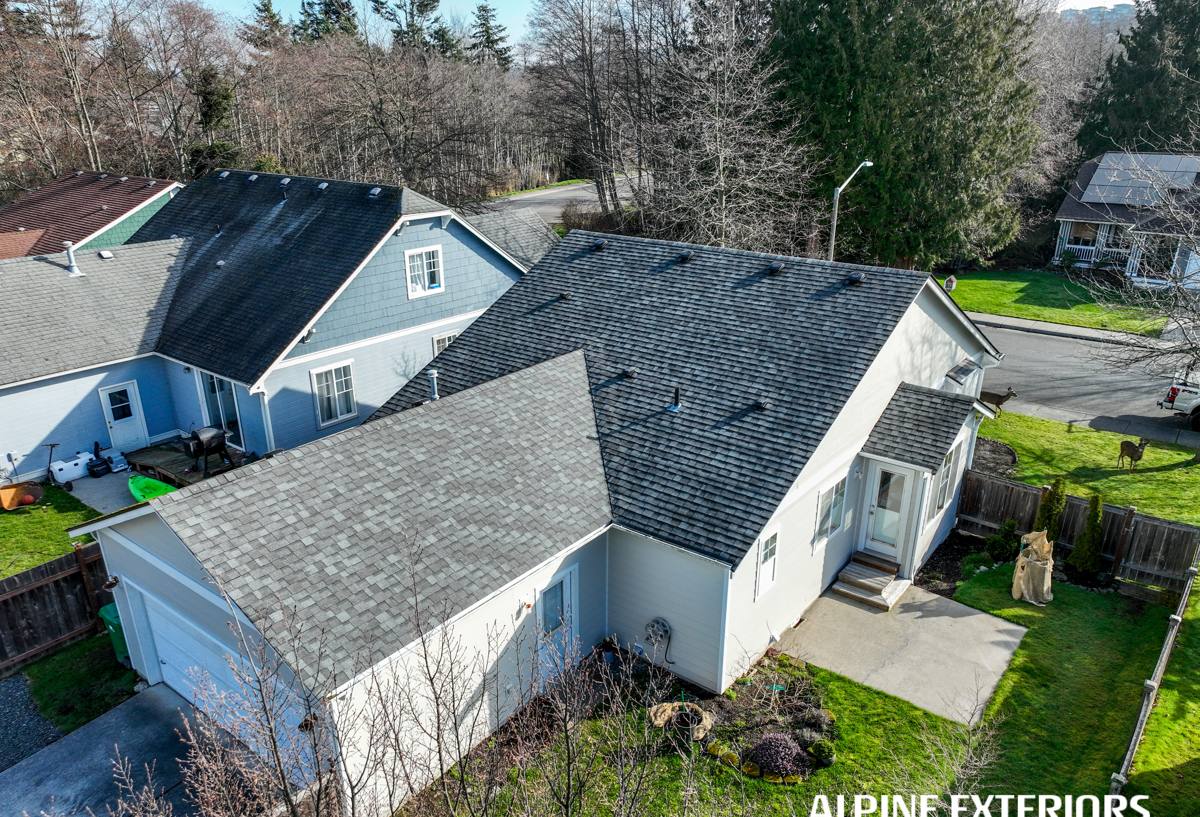
What Local Homes Are Actually Up Against
Sun and UV Exposure
Florida's UV index runs high nearly every month of the year, not just in summer. Paint finishes that would last a decade in a milder climate can chalk, fade, and break down noticeably faster here. Siding materials with organic components — wood fiber, certain composite products — are especially prone to UV-driven surface breakdown over time.
Salt Air and Humidity
Proximity to the coast means airborne salt settles on exterior surfaces and accelerates corrosion of fasteners and metal components, while Pinellas County's humidity keeps moisture in contact with building materials longer than it would inland. Materials that absorb water or swell when wet are working against the climate from day one.
Wind-Driven Rain and Storm Wind
During heavy weather, rain in this area rarely falls straight down — it's pushed sideways into walls, soffits, and any seam that isn't properly detailed. Add hurricane-force wind gusts during storm season, and the fastening pattern, panel overlap, and flashing details matter as much as the siding material itself.
Why We Only Install James Hardie Fiber Cement Siding
We made a deliberate decision as a company: we install James Hardie fiber cement siding, and we don't install vinyl, LP SmartSide, Cemplank, Allura, or primed spruce and cedar products. That's not a marketing line — it's a standard we hold to on every job because of what we've seen these materials do, and not do, in exactly the conditions Clearwater and Largo homes face.
Vinyl siding is affordable and easy to install, and for some climates that's a reasonable trade-off. In ours, it softens and can distort in sustained heat, and it's rated for a maximum wind resistance that gets tested more often here than in most parts of the country. Wood-based composite products like LP SmartSide use engineered wood strand technology that performs well in many regions, but any product with a wood component carries some exposure to moisture-related swelling and edge deterioration if a seal is ever compromised — a real risk given how much wind-driven rain this area sees. Primed spruce and cedar are traditional, attractive materials, but they require an ongoing paint and sealant maintenance schedule to hold up against UV and humidity, and that schedule gets less forgiving the closer you are to the coast.
James Hardie fiber cement is a mix of cement, sand, and cellulose fiber. It doesn't absorb water the way wood-based products do, it's non-combustible, and it's engineered specifically for high-humidity, high-UV climates — including a HardiePlank HZ10 product line built for the exact wind, rain, and hurricane exposure that Central Florida's Gulf Coast lives with. It's also backed by a strong transferable warranty, which matters if you plan to sell the home down the road.
How the Options Compare
| Factor | James Hardie Fiber Cement | Vinyl | Wood-Based Composite (LP SmartSide) |
|---|---|---|---|
| Moisture behavior | Does not absorb water or swell | Doesn't absorb, but can warp/distort in heat | Engineered wood strand; vulnerable if seal fails |
| UV / fade resistance | Factory ColorPlus finish resists fading | Color can fade and chalk over time | Requires maintained paint/sealant coating |
| Fire rating | Non-combustible | Combustible | Combustible (wood-based) |
| Wind performance | HZ10 line engineered for hurricane-prone regions | Rated, but lower wind thresholds | Adequate when installed and sealed correctly |
| Maintenance | Occasional wash; no repainting on ColorPlus finishes | Low; can crack and is hard to color-match when repaired | Periodic recoating/sealing needed |
Choosing the Right Hardie Product Line
Not every Hardie product is the same, and part of doing this job right is matching the product line to the home. HardiePlank lap siding is the most common choice for a traditional look, while HardiePanel and Artisan-series products give a different architectural style for homes that want it. Hardie's climate-engineered HZ10 formulation is built specifically for the wind, rain, and humidity profile of the Gulf Coast, which is what we spec for homes in the Clearwater and Largo area rather than a general-purpose formulation meant for drier, milder regions.
The factory-applied ColorPlus finish is worth understanding on its own: color is baked on at the factory under controlled conditions, rather than field-painted after installation, which is a major reason it holds up better against the UV load this area gets nearly year-round.
Beyond Siding: Roofing, Windows, and Decks
Siding doesn't work in isolation — it's one part of the building envelope. We also handle roofing, windows, and decks, and on a lot of jobs those systems get evaluated together. A roof with compromised flashing can drive water behind even well-installed siding. Older windows with failed seals let humid air and wind-driven rain work into wall cavities. A deck attached to the house has its own ledger-board and flashing details that need to tie in cleanly with the siding above it. Looking at the whole exterior at once, instead of treating each component as a separate project, tends to catch problems before they become bigger ones.
What a Local Crew Brings to the Job
A lot of siding problems in this region trace back to installation, not the material. Fiber cement siding has specific fastening patterns, gapping requirements, and flashing details that have to be followed to get the wind and water performance the product is rated for — and those details matter more here than in a low-wind, low-humidity climate. A crew that works in Pinellas County regularly knows how local wind exposure, humidity, and seasonal storm patterns should shape those choices on a given house, rather than applying a generic installation approach.
Local also means being reachable after the job is done — for warranty questions, for a follow-up look after a storm, or just to answer a question about caring for the finish a few years down the line.
What to Expect From a Siding Replacement
- An on-site inspection of the existing siding, sheathing, and any trouble spots around windows, doors, and rooflines.
- A written estimate outlining the product line, colors, and scope of work — no pressure to decide on the spot.
- Removal of the old siding and inspection of the sheathing underneath for hidden moisture damage before anything new goes up.
- Installation of a proper water-resistive barrier, followed by the Hardie siding installed to manufacturer specifications for fastening and gapping.
- Final walkthrough to confirm trim, caulking, and finish details before the job is considered complete.
Cost Factors to Understand
Every home is different, and we don't quote pricing without seeing the job, but a few factors consistently drive cost on siding projects in this area:
| Factor | Why It Matters |
|---|---|
| Home size and complexity | More corners, gables, and trim detail mean more labor and material |
| Condition of existing sheathing | Hidden moisture damage found during tear-off can add repair work |
| Product line selected | Lap siding, panel systems, and specialty trim carry different material costs |
| Height and access | Two-story sections and tight lot lines can add labor time |
| Finish and color | ColorPlus factory finishes vs. field-painted options affect long-term maintenance cost |
Maintaining Your Siding After Installation
Fiber cement is low-maintenance compared to wood or vinyl, but "low-maintenance" isn't "no-maintenance," especially in a coastal climate. A simple seasonal routine goes a long way:
- Rinse siding periodically to remove salt residue, pollen, and airborne grime, especially on sides of the house that face prevailing wind.
- Inspect caulking around windows, doors, and trim once a year and have any cracked or missing sealant redone promptly.
- Walk the exterior after any major storm to check for loose panels, damaged trim, or debris impact.
- Trim back landscaping so it isn't holding moisture against the siding surface.
- Keep gutters and downspouts clear so water is directed away from the wall line instead of running down it.
If your siding is showing its age, or you're weighing whether it's worth repairing versus replacing, we're happy to take a look and give you an honest, no-pressure estimate — just fill out the form below to get started.