 Largo Siding
 Why Color Choice Matters More Here Than Almost Anywhere Else
Picking a siding color feels like the fun part of a project, right up until you realize how hard Largo's climate is on paint. Between the UV load off the Gulf, the salt air drifting in off Tampa Bay and the Intracoastal, and the wind-driven rain that comes with every summer storm season, exterior finishes here fail faster than they do almost anywhere else in the country. A color that looks great in a brochure can chalk, fade, or streak within a few years if it's not engineered for this specific environment.
That's the real conversation behind "what color should I pick." It's not just aesthetics — it's about which finish system will still look good in year eight, not just year one. This guide walks through how James Hardie's ColorPlus factory-finish system works, how the color lines are organized, and what actually matters when you're choosing for a home in Pinellas County.
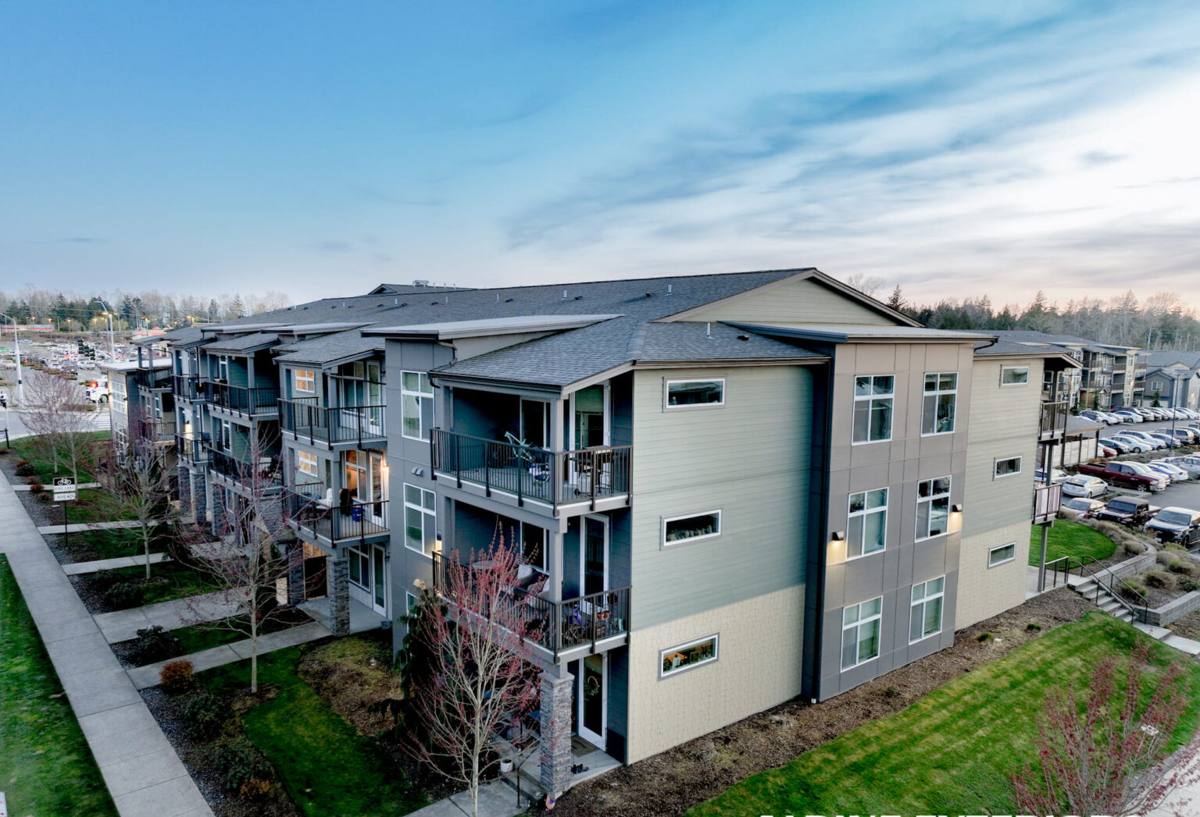
Field-Applied Paint vs. Factory-Baked Finish
Most siding materials, including primed fiber cement from other manufacturers and cedar or spruce trim, leave the color decision to whatever paint your contractor rolls or sprays on after installation. That paint sits on top of a porous substrate, gets applied in field conditions (wind, humidity, temperature swings), and starts breaking down the moment it's exposed to sun and salt.
James Hardie's ColorPlus Technology works differently. The color is baked onto the fiber cement panel in a factory setting, in multiple coats, under controlled conditions, before the boards ever reach the job site. The result is a finish that bonds more consistently and resists fading, chipping, and cracking far better than a field-applied topcoat — which is a meaningful difference in a market where UV exposure runs close to year-round.
Why This Matters in a Coastal County
Salt air accelerates the breakdown of standard paint film. It gets into hairline cracks, holds moisture against the substrate, and speeds up chalking. A factory-cured finish that's been formulated and tested for exactly this kind of exposure holds its integrity longer, which means fewer repaint cycles and less time spent maintaining the look of the house.
How the ColorPlus Color Collections Are Organized
James Hardie groups its ColorPlus palette into a few curated collections rather than an open-ended swatch wall. That's intentional — the colors are selected and tested as a system, and many are designed to coordinate with each other across siding, trim, and accent pieces.
- Statement Collection — a broader range including deeper, more saturated tones for homeowners who want the siding itself to make a visual statement.
- Dream Collection / Century Collection (naming varies by market release) — softer, more traditional neutrals: warm whites, grays, greiges, and muted earth tones that read well against Florida light.
- Primed for Paint — Hardie boards can also be ordered primed rather than pre-colored, for homeowners who want a fully custom, field-applied color. This gives up the factory-cured advantage, so we walk clients through that trade-off before recommending it.
Within these collections, colors are usually available across the different HardiePlank profiles (lap siding), HardiePanel (vertical), and matching HardieTrim boards, so fascia, corner boards, and soffit returns can be ordered in the same finish rather than hand-matched later.
Matching Color to Largo's Light and Landscape
Florida sun is bright and direct for most of the year, and it changes how color reads on a house compared to a cooler, cloudier climate. A few practical patterns we see working well in Pinellas County:
Lighter and Mid-Tone Neutrals
Warm whites, light grays, and soft greige tones tend to hold up visually longer under intense sun because any gradual fading is far less noticeable than it is on a deep, saturated color. They also reflect more heat, which can take a small amount of pressure off cooling costs in a home that already runs the AC hard nine months a year.
Deeper Tones — Know the Trade-Off
Charcoal, deep navy, and dark green are popular right now, and ColorPlus makes them far more durable than a comparable field-painted dark color. But dark colors absorb more heat and, over a very long service life, any fading is more visually apparent than it is on a light color. We're upfront about that with clients who want a dark exterior — it's a good look, it just deserves a clear-eyed conversation first.
Coordinating With Roof and Masonry
A lot of Largo homes mix siding with brick, stone veneer, or a tile roof. Before finalizing a color, it's worth looking at actual physical color chips next to your roof shingle or tile and any masonry that will stay in place, in daylight, at your own house — not under showroom lighting. Color perception shifts more than people expect once you're standing in Florida sun instead of a store.
HOA and Neighborhood Considerations
Many Largo neighborhoods and HOAs maintain approved color palettes or require review before an exterior color change. Because ColorPlus colors are a fixed, curated set (rather than infinite custom paint options), it's usually straightforward to cross-reference an HOA's approved list against the available Hardie palette — but it's worth doing that check before you fall in love with a specific shade. If your HOA requires a custom color outside the standard collections, primed boards with field-applied paint become the practical path, and we'll say so plainly rather than trying to force a factory color that isn't on their list.
What Actually Protects the Color Over Time
| Factor | Why It Matters in Largo |
|---|---|
| Factory-cured ColorPlus finish | Resists UV fading and salt-air degradation far better than field-applied paint |
| Correct fastening and gapping | Prevents panel movement and cracking that exposes raw substrate at joints |
| Proper caulking at trim and penetrations | Keeps wind-driven rain from tracking behind panels and staining or lifting the finish from behind |
| Rinsing salt residue periodically | Reduces the buildup that accelerates chalking near the coast |
| Avoiding low-quality touch-up paint | Mismatched field touch-ups age differently than the factory finish and become visible over time |
The finish is only half the equation — how the siding is installed has a direct effect on how long that color actually looks good. A panel that's fastened too tight, gapped incorrectly, or caulked poorly will show wear at the seams years before the field of the siding does, regardless of which color you picked.
The ColorPlus Warranty, in Plain Terms
James Hardie backs ColorPlus finishes with a separate finish warranty in addition to the product warranty on the fiber cement substrate itself, and it's transferable to a new owner if you sell the home within the coverage period — something that matters to buyers evaluating exterior condition and remaining maintenance life during a sale. The specific terms and duration are spelled out in Hardie's published warranty documentation, and we go over the current version with every client before installation so there are no surprises about what is and isn't covered.
This is one of the practical reasons our company installs Hardie exclusively rather than offering primed fiber cement from other manufacturers or vinyl: the factory-finish warranty only applies to the factory finish. A field-painted product, no matter how well it's installed, is backed by whatever paint warranty the painter or paint manufacturer offers — a different, generally shorter kind of protection.
A Practical Checklist Before You Choose
- Pull actual ColorPlus sample chips and view them on your own house, in morning and afternoon light
- Check your HOA's approved exterior color list before finalizing a selection
- Look at the color next to your roofing and any permanent masonry, not in isolation
- Decide if you want a light, heat-reflective tone or a deeper, statement color — and understand the fade trade-off either way
- Confirm trim, fascia, and soffit will be ordered in a coordinating ColorPlus finish, not hand-matched later
- Ask your contractor to walk you through the ColorPlus finish warranty terms in writing
- If you're set on a fully custom color, discuss primed boards and field painting as a distinct option with different maintenance expectations
Where We Stand on This
We install James Hardie fiber cement exclusively — we don't offer LP SmartSide, vinyl, Cemplank, Allura, or primed spruce or cedar siding. Part of the reason is the color system: a factory-cured finish that's engineered and tested against UV and coastal exposure gives homeowners in Largo a longer, more predictable service life than field-applied paint on any substrate. When we walk a property, color selection is part of the same conversation as fastening pattern, flashing, and caulking details, because all of it determines how the house actually looks five, ten, and fifteen years down the road — not just on install day.
If you're weighing colors or just want a straight answer on what will hold up on your specific home, we're happy to walk the property with you and put together a free, no-pressure estimate.