 Largo Siding
 Siding Built for a Barrier Island Climate
Redington Shores sits about as close to the Gulf as a Pinellas County address can get, and that proximity shapes everything about how exterior materials perform there. Homes in this area take on a combination of stresses that inland Largo properties simply don't see to the same degree: near-constant salt-laden air, intense and sustained UV exposure, wind-driven rain that gets pushed sideways into wall assemblies during storms, and the structural wind loads that come with being close to open water. Any siding product installed on a Redington Shores home has to hold up against all of that at once, year after year, without a break in the weather to let it recover.
We're a Largo-based crew, and Redington Shores is inside our regular service area — not a stretch job we take occasionally. That matters because coastal exterior work isn't the same trade as inland siding work. The fastener corrosion resistance, the flashing details around windows and doors, the caulking and paint systems that hold up in salt air — all of it requires judgment that comes from doing this specific kind of work repeatedly in this specific environment.
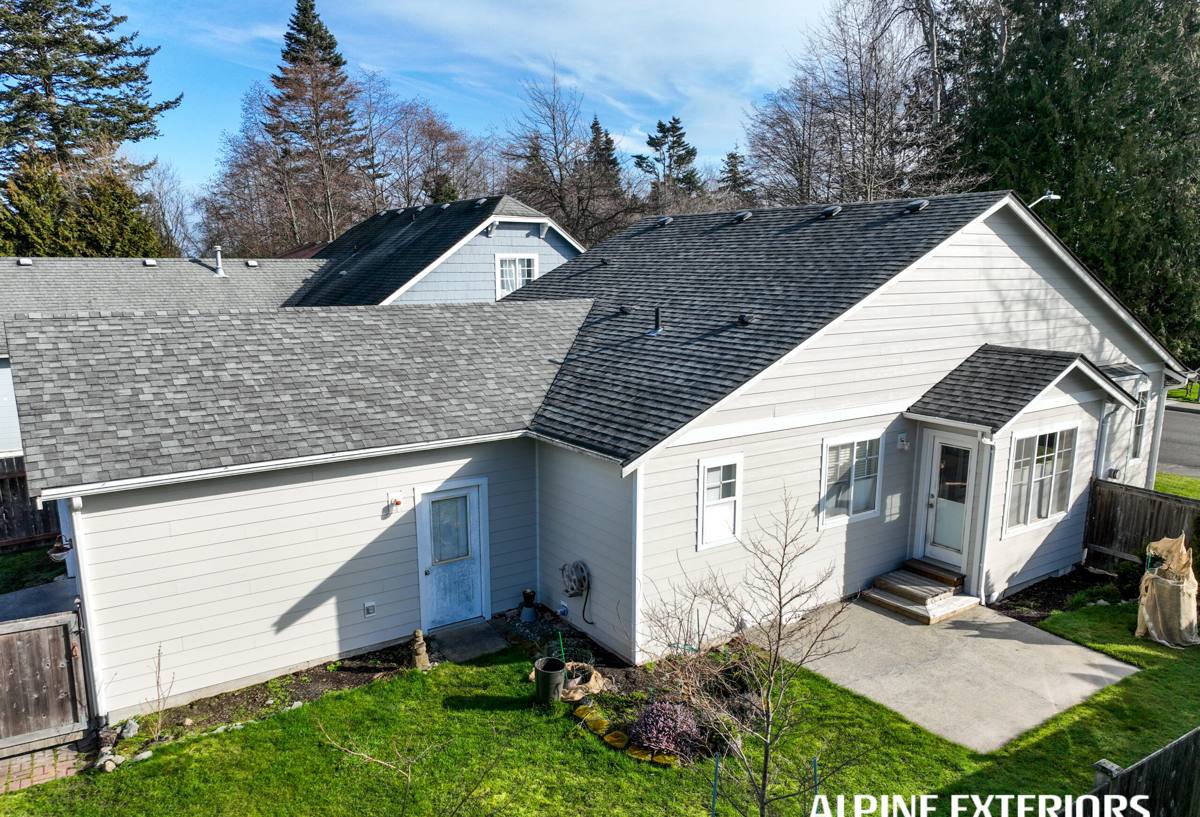
What Salt Air and Coastal Wind Actually Do to a House
Salt Air and Corrosion
Airborne salt doesn't just sit on the surface of your siding — it works its way into fasteners, trim joints, and any exposed metal on the exterior. Over time, ordinary fasteners and hardware corrode faster near the coast than they do even a few miles inland. This is one of the reasons fastener selection and installation detail matter more here than in most of Pinellas County — the wrong nail or screw can start staining and weakening a wall system years before the siding material itself would ever fail.
UV Exposure
Florida sun is hard on exterior materials everywhere, but homes near open water get very little natural shading and long, unobstructed sun exposure for most of the day. Paint films that aren't engineered for this kind of UV load chalk, fade, and break down faster, which is part of why we care so much about how a product's finish is applied and warrantied, not just what color it is.
Wind-Driven Rain
During tropical storms and the seasonal squalls that roll through the Gulf coast, rain doesn't just fall — it drives horizontally into wall surfaces. A siding system's water-management details (how panels overlap, how flashing is integrated at penetrations, how the water-resistive barrier behind the siding is installed) end up mattering as much as the siding material itself. A product installed with sloppy flashing will leak regardless of what it's made of.
Wind Load
Sustained hurricane-force winds put real mechanical stress on siding attachment. Fastener spacing, panel engagement, and manufacturer-specified installation methods aren't optional details near the coast — they're the difference between siding that stays put through a named storm and siding that doesn't.
Why We Install Only James Hardie Fiber Cement
We made a decision as a company to install one siding system: James Hardie fiber cement. We don't install vinyl, LP SmartSide, Cemplank, Allura, or primed wood siding, and in an area like Redington Shores that decision matters more than it would somewhere less exposed.
- Non-combustible material. Fiber cement doesn't burn, melt, or warp from heat the way vinyl and some engineered wood products can.
- Moisture resistance engineered for humidity. Hardie's HZ5 product line is specifically formulated for Florida's climate zone, addressing the moisture and humidity exposure that's constant here, not occasional.
- Factory-applied ColorPlus finish. The finish is baked on in a controlled factory environment rather than field-painted, which produces more consistent, UV-resistant color than most on-site paint applications can match.
- Dimensional stability. Fiber cement doesn't expand and contract with heat and humidity the way vinyl does, so seams and fastener lines stay tighter over time.
- Strong transferable warranty. Hardie's warranty coverage is a meaningful factor for owners thinking about resale in a market like Redington Shores, where buyers pay close attention to a home's exterior condition.
None of this means other siding products are without merit — vinyl is inexpensive and low-maintenance in mild climates, and engineered wood has real fans. But we install exterior systems for a living on Gulf-facing property, and fiber cement is what we're willing to put our name behind here.
How a Siding Project Works for a Coastal Home
Inspection and Assessment
We start by walking the exterior and identifying what's actually happening behind the current siding — moisture intrusion, fastener corrosion, soft trim, or flashing issues that need correcting before new siding goes up. On coastal homes, this step catches problems that a purely cosmetic look wouldn't.
Water Management First
Before any siding panel goes on, we address the water-resistive barrier and flashing details around windows, doors, and any wall penetrations. This is the layer that actually keeps a home dry during wind-driven rain — the siding itself is the second line of defense, not the first.
Installation to Manufacturer Spec
Hardie siding has documented fastener spacing, clearance, and caulking requirements. In high-wind coastal zones, following these specs precisely is what keeps a wall system performing through storm season rather than just looking good on a clear day.
Finish and Trim Details
We finish with corrosion-resistant fasteners and trim details suited to salt air exposure, and we're straightforward about which color and texture options make sense for a Gulf-facing elevation versus a more sheltered one.
Comparing Siding Options for a Redington Shores Home
| Factor | James Hardie Fiber Cement | Vinyl | Engineered Wood (e.g. LP SmartSide) |
|---|---|---|---|
| Salt air / moisture resistance | Engineered for humid climates (HZ5 line) | Resists moisture but can warp with heat | Requires diligent moisture management |
| UV / fade resistance | Factory-baked ColorPlus finish | Can fade and chalk over time | Depends on field-applied paint quality |
| Wind performance | Rigid, engineered attachment system | Can distort or detach in high wind if under-installed | Solid, but panel integrity depends on moisture control |
| Fire resistance | Non-combustible | Combustible | Combustible |
| Typical lifespan (installed to spec) | Multiple decades | 15-25 years | Highly dependent on maintenance |
We're not installers of the two right-hand columns, but homeowners deserve an honest comparison, not just a pitch for what we sell.
Beyond Siding: Roofing, Windows, and Decks
Siding is one piece of a home's exterior envelope, and on a coastal property like those in Redington Shores, it rarely works in isolation. We also handle roofing, windows, and decks, and we look at all four together when we're on-site — a roof with compromised flashing or a window with failed weatherstripping can undermine even a well-installed siding job by letting water in at a different point. If we notice an issue outside the scope of a siding quote, we'll point it out plainly rather than pretend we didn't see it.
Signs Your Current Siding Needs Attention
- Visible cracking, buckling, or gaps at panel seams
- Soft or spongy spots when pressed, especially near the bottom of walls or below windows
- Paint or finish that's chalking, peeling, or fading unevenly
- Rust streaks running down from fasteners or trim
- Increased drafts, moisture, or musty smell near exterior walls
- Visible warping or separation after a storm season
If you're seeing more than one of these, it's worth having someone look at the wall assembly, not just the surface.
Maintenance Expectations After Installation
James Hardie siding is low-maintenance compared to wood, but "low-maintenance" doesn't mean "no maintenance," especially this close to the Gulf. A rinse-down a couple times a year to clear salt residue, prompt attention to any caulking that starts to separate at trim joints, and periodic visual checks after major storms will keep the system performing for the long haul. None of this is heavy work — it's closer to the upkeep any coastal homeowner already does for the rest of their property.
Why a Local Crew Matters Here
A siding crew that mostly works inland can install Hardie siding competently and still get the coastal details wrong — under-speccing fasteners, skipping extra flashing at wall penetrations, or not accounting for how much more direct sun and salt exposure a near-Gulf elevation gets compared to a home a few miles east. We're based in Largo and work this part of Pinellas County regularly, including Redington Shores, so those details aren't an afterthought — they're built into how we plan and price every coastal job.
If you'd like an honest look at what your home's exterior actually needs, we offer free, no-pressure estimates — no obligation, just a straight assessment of your siding, roofing, windows, or decks.