 Largo Siding
 Vinyl Siding Isn't a Bad Product — It's a Mismatched One for This Climate
We get asked about vinyl siding often enough that it's worth a straight answer: we don't install it, and it's not because vinyl is junk. It's inexpensive, it's widely available, and in a lot of the country it performs just fine for decades. The problem is that Largo isn't a lot of the country. Between the UV load, the humidity, the salt air drifting in off Tampa Bay and the Gulf, and the wind events that come with hurricane season, vinyl gets tested in ways it wasn't really engineered for. We'd rather tell you that up front than sell you something we don't believe will hold up on your house.
This page isn't a takedown. It's the honest version of the conversation we have with homeowners in our estimates, laid out so you can make your own call before we ever show up.
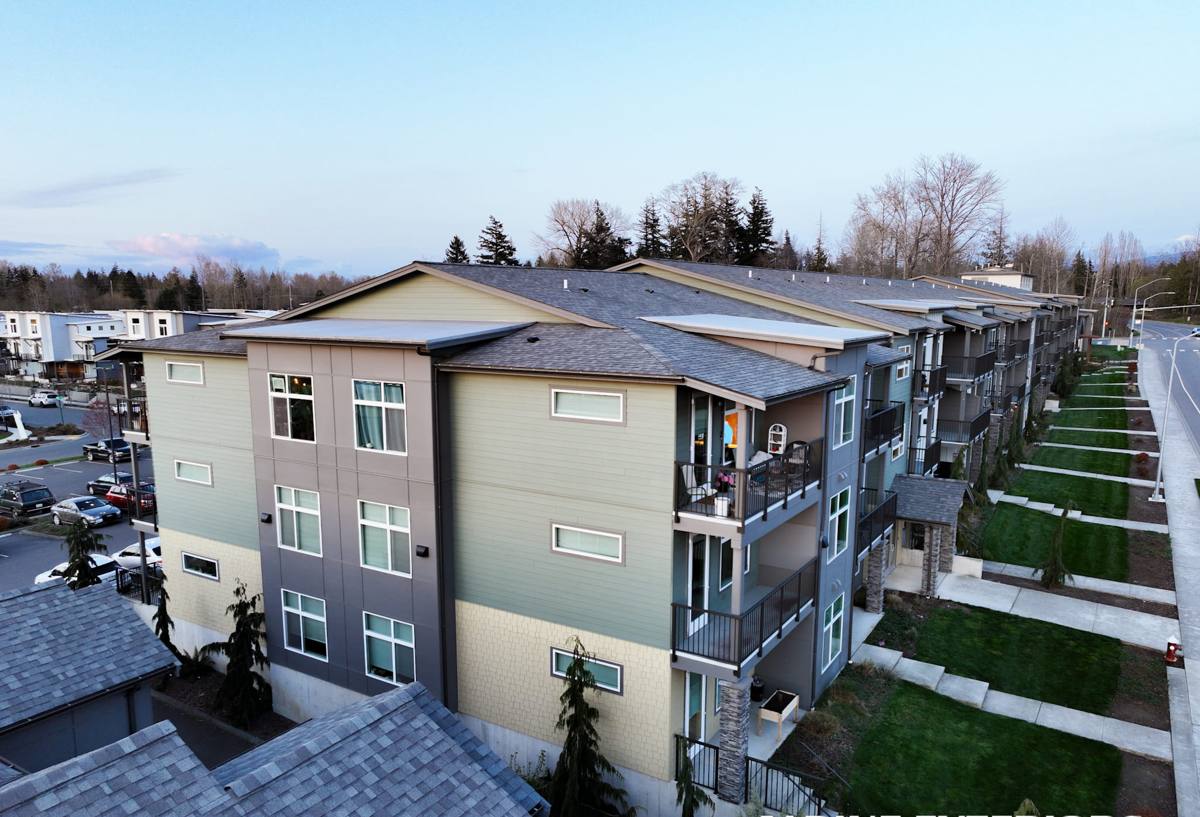
What Vinyl Siding Actually Gets Right
Fair is fair. Vinyl has real strengths, and pretending otherwise would just make the rest of this page less credible.
- Low upfront cost. It's typically the cheapest siding material on the market per square foot, installed.
- No painting required. The color is mixed into the material, so it doesn't need repainting the way wood siding does.
- Fast installation. Panels go up quickly compared to more labor-intensive materials.
- Water-resistant surface. The panel itself doesn't absorb water or rot the way wood does.
For a lot of markets, that combination makes vinyl a perfectly reasonable choice. Our objection isn't to vinyl in general — it's to vinyl on homes that sit through Pinellas County summers and Gulf Coast storm seasons year after year.
The Sun and Heat Problem: Warping and Fading
Thermal Expansion and Buckling
Vinyl is a plastic product, and plastic expands and contracts with heat far more than fiber cement or wood. Largo doesn't just get hot — it gets hot with long, sustained exposure, day after day, for most of the year. South- and west-facing walls in particular take a beating. Over time, that constant expansion and contraction can cause panels to buckle, warp, or pull loose from their fastening system, especially if the original installation didn't leave the manufacturer-specified room for movement. A quarter-inch of installer error that would never show up in a milder climate becomes visible waviness on a wall that bakes in Florida sun.
UV Fade and Chalking
Vinyl color is a pigment mixed into the plastic, and UV breaks that pigment down over time. In lower-sun regions, that fade is slow enough to barely notice. Under Florida's near year-round intense UV, darker vinyl colors especially can fade, chalk, or go blotchy well before the panel itself has failed structurally. Once that happens, there's no repainting your way out of it economically — vinyl isn't really designed to be painted, and doing so can void the manufacturer's warranty.
Hurricane Wind and Wind-Driven Rain
Pinellas County sits in an active hurricane corridor, and every siding product sold here carries a wind rating — but the rating only means something if the installation matches it exactly. Vinyl siding depends on a hook-and-lock panel system that has to be fastened with precise nail spacing, at the correct depth, with the right gap for movement. Over-driven nails, wrong spacing, or skipped fasteners are common shortcuts, and they're also exactly what turns a wind-rated product into panels peeling off in a storm.
Wind-driven rain is the other half of the problem. Vinyl panels aren't a sealed skin — they're designed to let some water behind them and rely on a correctly installed weather-resistant barrier and drainage plane to manage it. That's a fine system when it's built right. It's a moisture problem waiting to happen when it isn't, and wind-driven rain during tropical storms and hurricanes pushes water into gaps a light rain never would.
Salt Air and Coastal Wear
Living this close to the Gulf and Tampa Bay means salt air is a constant, low-grade stressor on every exterior material, siding included. Salt doesn't corrode vinyl the way it corrodes metal fasteners and trim, but it does accelerate surface breakdown and grime buildup, and it tends to expose weak points in caulking and seams faster than an inland climate would. Homes closer to the water see this show up sooner — chalkier finishes, more visible seams, more frequent washing needed just to keep the surface looking presentable.
Why Installation Quality Matters More With Vinyl
This is the part homeowners hear about least, and it's arguably the biggest factor. Vinyl siding is forgiving to install badly and unforgiving of that mistake over time. Because it's a floating, interlocking system rather than a fastened-solid one, small installation errors don't usually show up on day one — they show up two, five, or ten summers later, after enough expansion-contraction cycles and enough wind events. By the time a homeowner notices buckling, loose panels, or water intrusion behind the wall, the installer who cut corners is long gone. Fiber cement isn't installer-proof either, but it doesn't rely on the same tight, temperature-driven tolerances that vinyl does.
The Long-Term Cost Picture
Vinyl's low sticker price is real, but it's not the whole story once you factor in how it tends to perform in this climate over a full ownership timeline.
| Factor | Vinyl Siding | James Hardie Fiber Cement |
|---|---|---|
| Upfront installed cost | Lowest of common siding options | Moderate to higher upfront investment |
| UV/color stability | Prone to fade and chalking, especially darker colors | Factory-baked ColorPlus finish engineered for UV resistance |
| Heat performance | Expands/contracts significantly; can warp or buckle | Minimal thermal movement |
| Wind/storm performance | Wind rating depends heavily on exact installation | Engineered HZ product lines rated for high-wind regions |
| Fire behavior | Combustible plastic material | Non-combustible fiber cement |
| Repainting | Not designed to be repainted; fade is largely permanent | Can be repainted; factory finish also carries its own warranty |
| Typical warranty structure | Varies widely by manufacturer, often prorated | Strong transferable warranty on material and finish |
None of this means vinyl is worthless money — it means the lower purchase price can get eaten up by fade, panel replacement, or moisture repairs sooner than homeowners expect, particularly on homes exposed to full sun or closer to the water.
Why We Standardized on James Hardie Instead
We made a decision a while back to install one siding system — James Hardie fiber cement — rather than offer a menu of products with different climate suitability. Fiber cement doesn't expand and contract with heat the way vinyl does, so it holds its shape through Florida summers without the buckling risk. It's non-combustible. The ColorPlus factory finish is engineered specifically to resist UV fade, which matters enormously under this much sun exposure. Hardie also builds climate-specific HZ product lines designed around wind and moisture conditions like ours, and backs the material with a strong transferable warranty that isn't dependent on us being flawless on every single nail.
That's not a marketing position — it's why we stopped offering the alternatives. We'd rather install fewer products well than install everything and hope the climate cooperates.
Questions Worth Asking Before You Choose Vinyl
- Does the wind rating on this vinyl product match or exceed what's required for my specific location in Pinellas County?
- What is the manufacturer's UV fade warranty, and is it prorated?
- Can this color be repainted later without voiding the warranty?
- What nail spacing and fastening depth does the manufacturer require, and how will I know it was followed?
- How close is my home to the water, and how has that affected similar installations nearby?
- What's the realistic replacement timeline for this product under full Florida sun exposure?
If a contractor can't answer these clearly, that's worth noting before you sign anything — regardless of which siding material you end up choosing.
Our Honest Recommendation
If budget is the only factor and you're prepared for shorter performance life, vinyl isn't a dishonest choice — it's just not the one we're willing to put our name on. For a Largo home that has to stand up to hurricane season, relentless UV, and salt air year after year, we've seen fiber cement hold its shape, color, and integrity in ways vinyl consistently struggles to match. That's the whole reason we only install James Hardie.
If you're weighing siding options for your home, we're happy to walk through what we see on real Pinellas County houses and give you a straight answer — including if fiber cement isn't the right fit for your budget or timeline. Reach out for a free, no-pressure estimate and we'll talk through it honestly.