 Largo Siding
 Metal Roofing for Palm Harbor Homes
Palm Harbor sits close enough to the Gulf that homes here deal with a specific combination of stress most inland roofs never see: salt-laden air, sustained UV exposure nearly year-round, and the wind-driven rain that comes with every tropical system that brushes Pinellas County. A roof that works fine in Ohio or even central Florida can still fail here if it wasn't built for this exact environment. Metal roofing, installed correctly for this climate, is one of the few systems that holds up to all three at once — but "installed correctly" is doing a lot of work in that sentence, and it's where most of the difference between a 40-year roof and a 12-year roof comes from.
This page covers what a metal roof needs to actually perform in Palm Harbor, what our installation process looks like, and what to check before you hire anyone for the job.
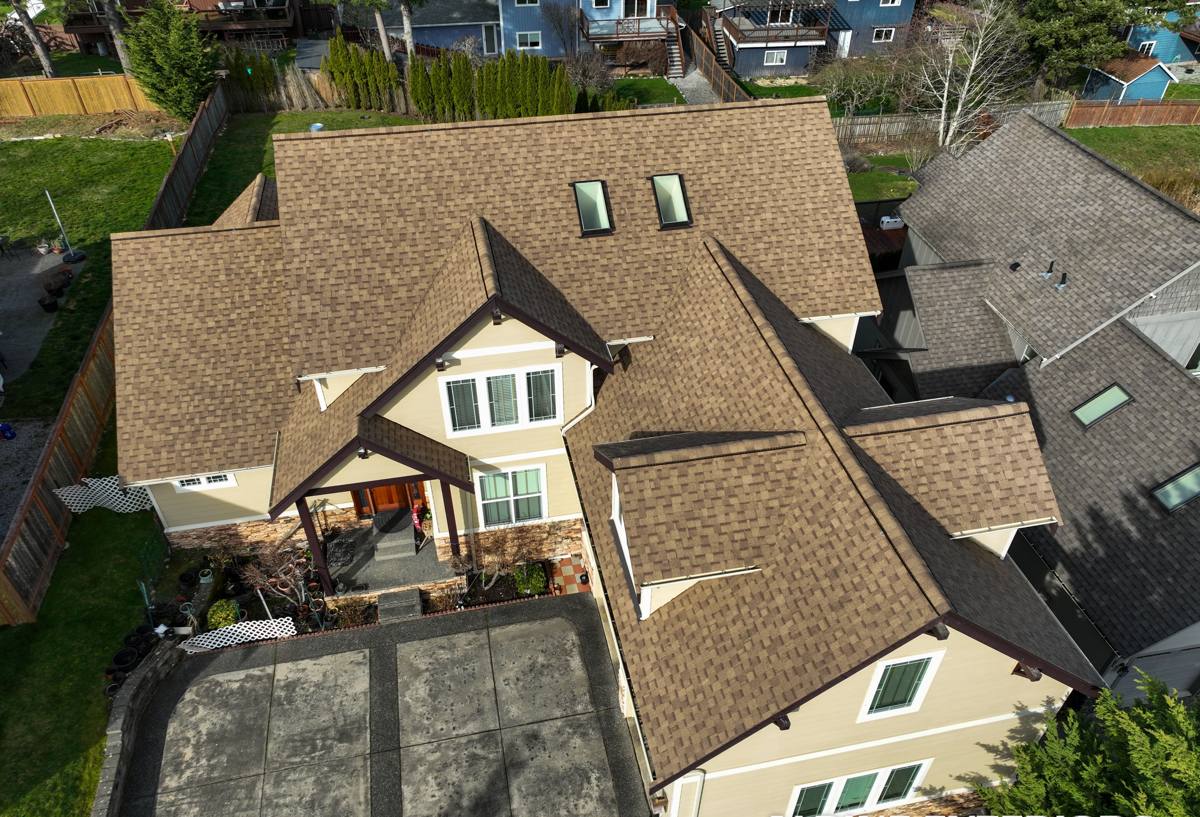
What This Climate Does to a Roof
Wind
Pinellas County sits in a high-velocity hurricane zone under the Florida Building Code, which means roofing materials and fastening patterns here are held to higher wind-uplift standards than most of the country. A metal roof's wind performance isn't just about the panel — it's the combination of panel gauge, fastener type and spacing, clip design (for standing seam systems), and how the perimeter and ridge are detailed. Skip any one of those and the panel that looked great on the truck can still lift in a storm.
UV and heat
Florida sun is hard on finishes. Paint systems that aren't rated for this level of UV exposure chalk, fade, and lose reflectivity years earlier than they should. That matters for both appearance and performance, since a big part of metal roofing's energy benefit comes from the finish reflecting heat rather than absorbing it.
Salt air
Being near the Gulf means airborne salt travels further inland than most homeowners assume, and it accelerates corrosion on fasteners, flashing, and any exposed metal edge. This is why material choice and coating quality matter more here than they would on a roof fifty miles inland.
Wind-driven rain
Tropical storms in this area rarely deliver rain straight down — it comes in sideways, which means it finds every gap in flashing, every under-driven screw, and every seam that wasn't sealed correctly. Most metal roof leaks we're called to diagnose trace back to flashing detail work, not the panels themselves.
Choosing the Right Metal System
Not every metal roofing product is a good match for a Palm Harbor home, and the right choice depends on budget, roof pitch, and how long you plan to own the house.
| System | Wind Performance | Maintenance | Typical Lifespan | Cost Position |
|---|---|---|---|---|
| Standing seam (concealed fastener) | Excellent — fasteners hidden, panels interlock | Low | 40-60+ years | Higher upfront |
| Exposed-fastener panel | Good, if fasteners are correctly spaced and re-torqued over time | Moderate — gaskets age and need occasional attention | 25-40 years | Mid-range |
| Stone-coated steel | Very good, adds a dimensional profile | Low | 30-50 years | Mid to higher |
Standing seam is generally our recommendation for this area specifically because it removes the exposed fastener as a long-term weak point — there's simply less that salt air and sun can degrade over the panel's life. Exposed-fastener systems can still perform well and cost less upfront, but they ask more of the homeowner over time in the form of fastener inspections.
Substrate and coating matter as much as profile
Galvalume steel and aluminum are the two substrates we install most in this coastal environment. Aluminum doesn't rust, which makes it a strong choice for homes closer to the water; Galvalume steel is more common and holds up well when the coating system is right. Either way, insist on a PVDF (often sold under names like Kynar 500) finish rather than a basic polyester paint — the difference shows up in fade resistance and chalking after five or six Florida summers, not on day one.
What a Correct Installation Actually Involves
- Deck inspection and repair. Metal roofing is only as good as what it's fastened to. We check the decking for soft spots, water staining, and prior damage before anything goes down, and repair or replace sections as needed.
- Underlayment. In this climate we use a high-temperature, self-adhering underlayment rather than a basic felt — it seals around fastener penetrations and gives you a second line of defense if wind-driven rain ever gets past the panel seams.
- Fastening pattern engineered to wind zone. Clip spacing and fastener count are set to meet Florida Building Code wind-uplift requirements for this area, not a generic national spec.
- Flashing at every transition. Valleys, penetrations, walls, and ridge caps are where roofs actually leak. These get formed and sealed individually, not covered with a bead of caulk and called done.
- Fastener and edge detailing for salt exposure. Coated or stainless fasteners, sealed cut edges, and proper drip edge keep corrosion from starting at the weak points first.
- Final inspection and walk-through. We review the finished roof with you before calling the job complete, including how the warranty on materials and labor works.
Permitting and Code in Pinellas County
Roofing work in Largo and the surrounding Pinellas County communities, including Palm Harbor, requires a permit and inspection — this isn't optional paperwork, it's what confirms the wind-uplift and fastening requirements were actually met. We handle the permit and coordinate inspections as part of the job, and we can walk you through what the inspector will be checking if you want to understand the process.
Maintenance: What Metal Roofs Actually Need Here
One of metal roofing's real advantages is how little maintenance it needs compared to shingles — but "little" isn't "none," especially this close to the Gulf.
- Rinse off salt residue and debris periodically, especially after storms, rather than letting it sit on the finish
- Keep gutters and valleys clear so water isn't pooling against panel edges
- Have exposed fasteners checked every few years if you have an exposed-fastener system — gaskets do wear
- Trim back overhanging branches that can scratch coatings or drop debris into valleys
- After any major storm, have seams, flashing, and penetrations visually checked before the next one rolls through
Why a Crew That Already Works Palm Harbor Matters
Metal roofing tolerates almost no shortcuts in a high-wind coastal zone — the difference between a roof that survives a hurricane season cleanly and one that needs repair afterward usually comes down to fastening detail and flashing work that nobody but a roofer will ever see once the job is done. A crew that regularly works in Palm Harbor and the rest of Pinellas County already knows the wind zone requirements, has a working relationship with the local permitting and inspection process, and has seen firsthand which flashing details hold up to real storm seasons here versus which ones look fine until the first big blow. That's a different level of familiarity than a crew installing its first metal roof in this specific wind zone.
Signs Your Current Roof Needs Attention
If you're not sure whether you need a repair or a full replacement, a few signs are worth a call regardless:
- Visible rust streaking at fastener heads or panel edges
- Panels that have loosened, oil-canned, or show signs of lifting at an edge or ridge
- Chalking or noticeably faded finish, especially on south- and west-facing slopes
- Leaks that show up specifically during wind-driven rain rather than straight-down rain
- A roof original to the home that's approaching or past the age where a full inspection is overdue
What to Ask Before You Hire
Since the installation detail work matters so much more than the panel brand itself, the questions worth asking a contractor are less about the metal and more about the process:
- What underlayment do you use, and is it rated for this climate?
- How is the fastening pattern determined for wind uplift in this zone?
- Who pulls the permit, and are you familiar with Pinellas County inspection requirements?
- What fastener and flashing materials do you use given the salt air here?
- What does the warranty actually cover — materials, labor, or both — and for how long?
If your Palm Harbor home is due for a roof, or you just want an honest read on what's there now, we're happy to take a look and walk you through the options — no pressure, no obligation. Reach out below for a free estimate.