 Largo Siding
 Asphalt Shingle Roofing Built for Oldsmar's Climate
Oldsmar sits close enough to Tampa Bay and the Gulf that homes here take a harder hit from the weather than folks further inland realize. Between hurricane-force wind gusts during storm season, intense UV exposure nearly every day of the year, wind-driven rain that finds every weak seam, and a steady dose of salt air rolling in off the water, an asphalt shingle roof in this part of Pinellas County has to work harder than one in a drier, calmer climate. A shingle roof that would last three decades in a mild inland market can start failing in half that time here if it wasn't installed with this environment in mind.
We install and repair asphalt shingle roofing for homeowners throughout the Oldsmar area, and our approach is built around the specific stresses local roofs face rather than a generic install checklist. That means paying close attention to fastening patterns, underlayment choice, edge detailing, and ventilation — the parts of a roofing job that don't show up in a driveway walk-through but determine whether the roof is still doing its job in year 12 versus year 22.
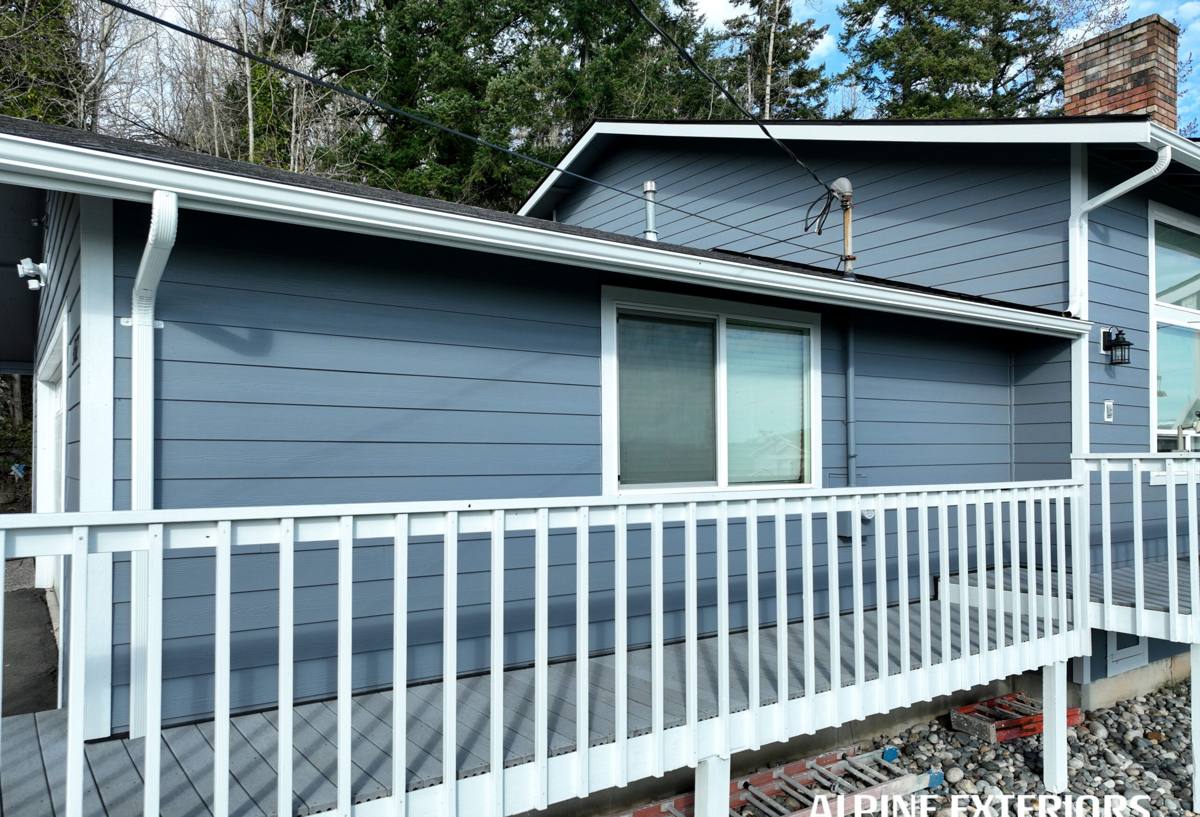
What Oldsmar's Climate Actually Does to a Shingle Roof
Wind and Storm Exposure
This part of Florida sees tropical storm and hurricane conditions on a near-annual basis, and wind is usually what takes a roof apart before rain does. Shingles rated for high wind uplift still fail when they're under-fastened, when nailing patterns don't match the manufacturer's high-wind installation instructions, or when the starter course and hip/ridge details are treated as an afterthought. Wind doesn't need to remove the whole roof to cause expensive damage — it just needs to lift a handful of tabs and let wind-driven rain get underneath.
UV and Heat
Florida sun breaks down the asphalt in shingles from above, drying out the granules and the asphalt mat underneath year-round, not just in summer. Combined with attic heat pushing up from below, shingles here age faster than the same product would in a cooler climate. This is one of the reasons manufacturer warranties often include prorated coverage — the expected service life already accounts for intense sun exposure.
Wind-Driven Rain and Moisture
Rain that comes in sideways during a storm behaves differently than a straight-down soaking rain. It gets pushed up under shingle tabs, into exposed nail heads, and along any seam where flashing wasn't lapped correctly. A roof can look fine from the ground and still be letting water in at the valleys, chimney flashing, or wall step-flashing during every hard blow.
Salt Air
Oldsmar's proximity to Tampa Bay means a measure of salt content in the air even well away from the immediate waterfront. Salt accelerates corrosion on exposed metal — nail heads, flashing, drip edge, and vent boots — which is why material choice and detailing at those metal-to-shingle transitions matters more here than it does further inland.
What a Correctly Installed Shingle Roof Includes
A shingle roof is a system, not a single product. Every layer has to work together, and skipping or shortcutting any one of them shows up later as a leak, a wind failure, or a shingle that ages years ahead of schedule.
- Deck inspection and repair — replacing any soft, delaminated, or water-damaged sheathing before anything goes back down
- Synthetic or self-adhered underlayment appropriate for wind-driven rain exposure, not just a minimum-code layer
- Ice-and-water-style membrane or equivalent protection at valleys, eaves, and roof penetrations
- Corrosion-resistant drip edge and flashing at every roof-to-wall and roof-to-chimney transition
- Shingle nailing pattern matched to the manufacturer's high-wind specification, not the minimum standard pattern
- Properly lapped and sealed hip and ridge caps
- Balanced attic ventilation (intake and exhaust) so heat and moisture don't get trapped under the deck
- Final inspection of all penetrations — plumbing vents, exhaust fans, and any roof-mounted equipment
Any one of these steps done poorly can undercut the rest. A premium shingle installed over a rushed underlayment job, or with the wrong nailing pattern, will not perform the way the product is rated to.
How We Approach a Shingle Roofing Job in Oldsmar
Inspection First
Before we talk about shingles, we look at the roof deck, the current ventilation setup, and how the existing roof has held up — where it's showing wear, where past repairs were made, and what that tells us about how the home sheds water and wind. This is also when we check for soft spots or moisture intrusion that isn't visible from the ground.
Honest Scope, Written Down
We tell you what actually needs to happen — full replacement, partial repair, or targeted flashing and ventilation work — and we put it in writing before any work starts. If a repair is a reasonable option instead of a full tear-off, we'll say so.
Installation to a Wind-Rated Standard
On the install itself, we follow high-wind nailing specifications and proper flashing details as standard practice for this area, not as an upgrade. Given how often this region sees tropical weather, treating wind resistance as optional doesn't make sense.
Final Walkthrough
Once the job is done, we walk the roof and the property with you, cover what was done, and answer questions about maintenance and what to watch for going forward.
Choosing Shingles and Materials for This Area
Not every shingle product is a good fit for coastal Gulf Coast exposure. Wind rating, granule adhesion quality, and algae resistance all matter more here than they would in a milder climate. We generally steer homeowners toward higher wind-rated architectural shingles for this area rather than base three-tab products, because the cost difference is modest relative to the added wind performance and expected service life.
| Factor | Why It Matters in Oldsmar |
|---|---|
| Wind rating | Higher-rated shingles hold up better against gusts common during tropical storm season |
| Algae resistance | Humidity and heat encourage algae growth faster than in drier climates |
| Granule quality | Constant UV exposure wears down granules that protect the asphalt mat underneath |
| Underlayment type | Wind-driven rain requires a more robust moisture barrier than minimum code underlayment |
| Flashing metal | Salt air accelerates corrosion, so quality and coating matter more near the coast |
Cost Factors for Shingle Roofing in Oldsmar
Every roof is different, and we don't publish flat pricing because roof size, pitch, number of penetrations, current deck condition, and shingle tier all move the number. That said, homeowners should generally expect these to be the biggest cost drivers on a shingle roofing project in this area:
- Total roof square footage and number of roof planes or valleys
- Roof pitch — steeper roofs take longer and require more safety setup
- Condition of the existing deck — rot or delamination adds material and labor
- Shingle tier selected — standard architectural versus premium high-wind-rated product
- Number of penetrations, chimneys, or skylights requiring custom flashing
- Ventilation upgrades needed to bring an older attic system up to a properly balanced setup
We provide a written, itemized estimate after inspecting the actual roof, so you know exactly what you're paying for and why.
Why It Matters to Hire a Crew That Already Works in This Area
A roofing crew that regularly works in Pinellas County and along the Tampa Bay coastline already knows what fails first out here and builds around it — the wind uplift patterns, the salt-air corrosion at metal transitions, the moisture behavior under intense UV. That local pattern recognition is different from general roofing experience picked up in a climate that doesn't see hurricane conditions or coastal humidity. It shows up in the small decisions during install: how flashing gets lapped, how tight the nailing pattern is at hips and ridges, and how ventilation gets balanced for Florida attic heat.
It also matters for accountability after the job. A local, licensed crew is easy to reach if a question comes up during the next storm season, and understands the county's permitting and inspection process for roofing work.
Signs Your Oldsmar Home May Need Roof Attention
Some warning signs are visible from the ground; others require a closer inspection. If you notice any of the following, it's worth having the roof looked at before the next storm system comes through:
- Missing, curling, or cupped shingles
- Bald spots where granules have worn away, exposing the darker asphalt mat
- Visible daylight or water stains in the attic
- Soft or spongy spots when walking the roof (a sign for a professional to check, not a DIY test)
- Rusting or lifted flashing around chimneys, vents, or walls
- Shingles in the yard after a windstorm
If you're in Oldsmar and want a straight answer on whether your roof needs repair or full replacement, we're happy to take a look. The estimate is free, there's no pressure to move forward, and you'll get a written scope explaining exactly what we found and what we'd recommend — just fill out the form below to get started.