 Largo Siding
 Windows Built for a Barrier Island, Not Just a Florida Address
Treasure Island sits on a narrow strip of sand between the Gulf of Mexico and the Intracoastal Waterway, and that location changes what a window has to do all day, every day. It isn't just "Florida weather" — it's salt spray carried on Gulf breezes, near-constant humidity, direct UV exposure with almost no tree canopy to soften it, and the kind of wind-driven rain that finds every weak seam in a frame. Add hurricane season, and a window on a barrier island is working harder than the same window installed a few miles inland in Largo or Clearwater.
We're based in Largo and have worked this stretch of Pinellas County long enough to know that a "good enough" window install somewhere else can fail fast out here. This page covers what actually matters when you're replacing windows on Treasure Island — the moisture and wind exposure, the code requirements, what a correct install looks like, and how our process works.
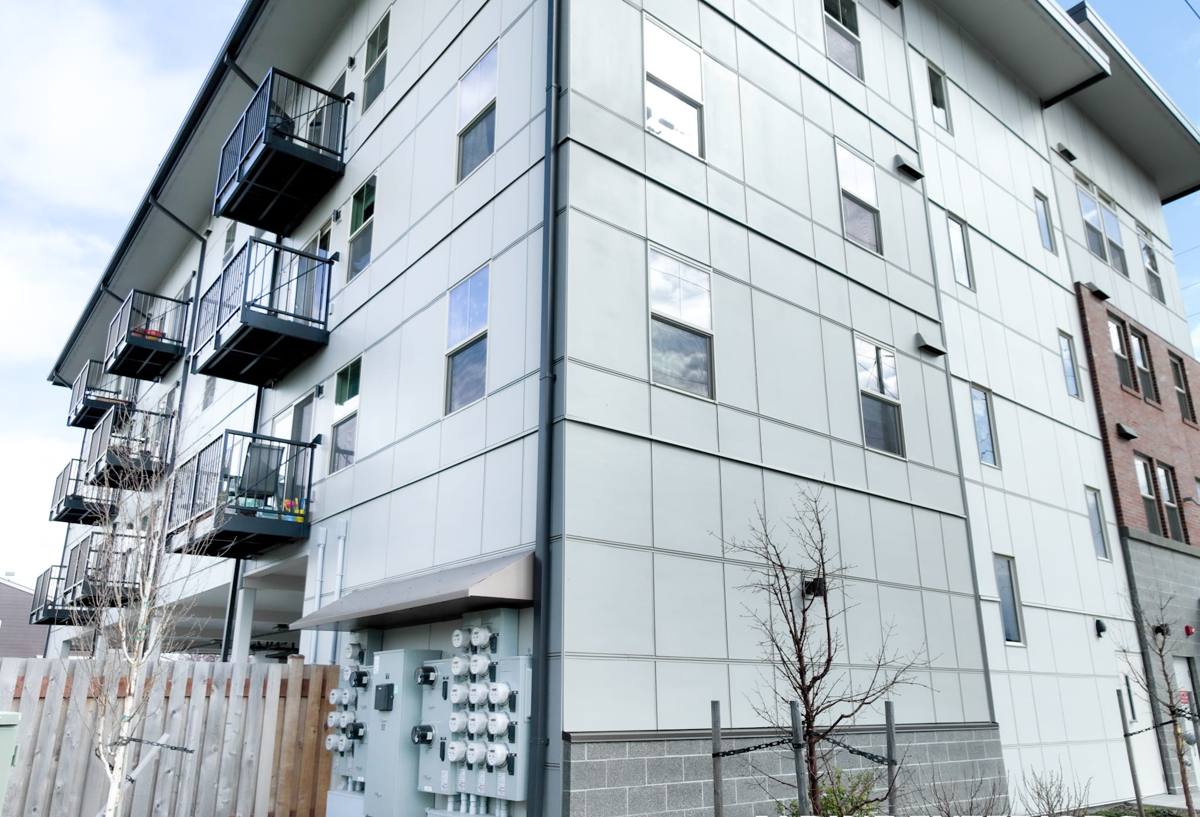
How Coastal Exposure Wears Down Windows Faster
Salt Air and Corrosion
Airborne salt settles on frames, hardware, and glazing. Over time it corrodes aluminum hardware, pits lesser-grade metal components, and breaks down seals that weren't rated for a marine-adjacent environment. Homes closer to the water see this happen noticeably faster than homes even a mile or two inland.
UV Degradation
Constant, high-angle Florida sun breaks down vinyl, weatherstripping, and low-quality sealants over years of exposure. You'll often see it first as yellowing frames, brittle gaskets, or seals that no longer compress properly — all of which lead to air and water intrusion long before the glass itself fails.
Wind-Driven Rain
Rain on a barrier island rarely falls straight down — Gulf winds push it sideways, driving water into any gap in flashing, sealant, or a frame that isn't seated correctly. A window that's watertight in a light drizzle can still leak badly in a wind-driven storm if the installation details weren't done right.
Wind Load and Storm Pressure
Treasure Island falls within a high-velocity hurricane zone under Florida's building code, which means window assemblies here have to meet stricter wind pressure and impact standards than homes further from the coast. This isn't optional upgrade territory — it's the baseline for a code-compliant replacement.
Signs Your Windows Are Ready for Replacement
Not every window problem means a full replacement, but on the coast, small issues tend to compound quickly. Watch for:
- Fogging or condensation between panes (a failed seal on double-pane glass)
- Frames that feel soft, chalky, or show visible pitting and corrosion around hardware
- Windows that are difficult to open, close, or lock — often a sign the frame has shifted or swollen
- Visible daylight or a draft around the frame when the window is closed
- Water staining on interior sills or drywall near a window after storms
- Peeling or bubbling paint on interior trim near the window frame
- Noticeable outside noise that seems louder than it used to be, suggesting a failing seal
- Frames or glass that are original to a home more than 20-25 years old, especially near the water
What a Correct Window Replacement Actually Involves
Window replacement looks simple from the outside — old window out, new window in — but on a barrier island property, the details are where jobs succeed or fail. A correct install includes:
Proper Opening Preparation
Removing the old window without damaging the rough opening, inspecting the surrounding framing and sheathing for hidden water damage or rot, and correcting any issues before the new unit ever goes in. Installing a new window into a compromised opening just locks in the next leak.
Flashing and Water Management
Every opening needs a flashing and drainage plan that directs any water that gets past the exterior finish back out, not into the wall cavity. This matters more here than almost anywhere else in the state given how much wind-driven rain the island sees.
Correct Fastening and Anchoring
Impact and high-wind-rated windows are only as strong as their anchoring. Fastener type, spacing, and embedment into structural framing all have to match the window's engineering and the local wind pressure requirements — not just "enough screws to hold it in place."
Sealant Selection and Application
Marine-grade, UV-stable sealants applied correctly around the full perimeter, inside and out. Cheap sealant that looks fine on install day can crack and fail within a year or two under constant sun and salt exposure.
Interior and Exterior Finish Work
Trim, caulking, and touch-up work so the finished opening looks clean and is fully sealed — no gaps left for pests, moisture, or drafts.
Impact Windows vs. Standard Windows for This Location
Homeowners on Treasure Island generally have two real paths for a code-compliant replacement: impact-rated windows, or standard windows paired with approved shutters. Here's how they compare for a barrier island home:
| Factor | Impact-Rated Windows | Standard Windows + Shutters |
|---|---|---|
| Storm prep required | None — always protected | Shutters must be deployed before each storm |
| Daily UV and noise reduction | Better, year-round | No added benefit day-to-day |
| Upfront cost | Higher per window | Lower window cost, added shutter cost |
| Insurance considerations | Often eligible for premium credits | May qualify depending on shutter type |
| Maintenance | Minimal, no separate hardware to service | Shutter tracks and hardware need upkeep |
| Best fit | Full-time or rental properties, storm-prone exposure | Budget-conscious owners willing to manage shutters |
Both paths can meet code when engineered and installed correctly. We'll walk through which makes more sense for your specific home, exposure, and budget rather than pushing one option by default.
Permits, Wind Zone, and Florida Building Code
Pinellas County, including Treasure Island, falls under Florida's stricter coastal wind provisions, which means replacement windows generally need to carry a valid product approval (Florida Product Approval or Miami-Dade NOA) rated for the specific wind pressures at your address, along with a permit before installation. A few things worth knowing:
- Permit requirements and inspection scheduling can take longer near the coast than inland — build that into your timeline
- Your home's exact wind pressure rating can vary by elevation, exposure category, and roof height, not just its zip code
- Impact-rated products still need to be installed per their tested and approved installation instructions to remain code-compliant — the product rating doesn't cover a poor install
- HOA or condo association approval may apply on top of county permitting for some Treasure Island properties
We handle the permitting and inspection process as part of the job so you're not left tracking down paperwork on top of everything else.
Our Process
1. On-Site Assessment
We look at your current windows, the condition of the surrounding framing, your home's exposure to wind and water, and what you're trying to solve — whether that's storm protection, energy performance, comfort, or simply replacing worn-out units.
2. Measurement and Product Selection
Every opening gets measured individually — older coastal homes are rarely perfectly square, and accurate measurements are what make for a tight, correctly sealed fit. We'll go over impact ratings, frame materials, and the trade-offs for your specific situation.
3. Permitting
We pull the required permits and coordinate inspections so the work is documented and code-compliant, which matters for insurance and for resale down the line.
4. Installation
Removal, opening prep, flashing, anchoring, sealing, and finish work, done in the sequence that keeps your home weather-tight at every stage — not just at the end.
5. Final Walkthrough
We check operation, seals, and finish work with you before calling the job done, and make sure you understand basic care for your new windows.
Why a Largo-Based Crew That Already Works Treasure Island Matters
Barrier island jobs have logistics that inland jobs don't. Bridge and causeway access affects scheduling and material delivery. Many properties are condos, rentals, or seasonal homes with HOA rules about work hours, parking, or contractor access that a crew unfamiliar with the island has to learn on the fly. And homes exposed directly to Gulf-front salt air need different sealant and hardware choices than a home set back on the mainland side.
Working across Largo and the surrounding Pinellas County coastline means we're not learning these details for the first time on your project. We know what tends to fail first on a Gulf-facing window, what inspectors here are looking for, and how to sequence a job around island access and weather windows without surprises.
After Installation: Keeping Coastal Windows Performing
Even a correctly installed window needs some upkeep in this environment. A short annual routine goes a long way:
- Rinse frames and tracks periodically to remove salt buildup, especially on Gulf-facing sides
- Check and clean weep holes so water can drain properly rather than pooling in the frame
- Inspect exterior caulking annually and touch up any cracking before it becomes a leak path
- Lubricate hardware and tracks per the manufacturer's recommendations to prevent corrosion-related sticking
- Have seals and glazing checked after any major storm event
What This Costs
Pricing depends on window size, frame material, impact rating, and how many openings you're replacing, so we don't quote broad numbers without seeing the home. What we can say honestly: impact-rated replacements cost more upfront than standard windows plus shutters, but many owners find the trade-off in convenience, insurance treatment, and day-to-day performance worth it for a coastal property. We'll give you a clear, itemized estimate with options at different price points so you can decide what fits your home and budget.
If your Treasure Island windows are showing their age, letting in water during storms, or you're simply planning ahead for hurricane season, we're happy to take a look and walk you through your options. Reach out for a free, no-pressure estimate using the form below.