 Largo Siding
 Siding Replacement Built for the Clearwater Area's Climate
Homes in and around Clearwater sit in one of the toughest exterior environments in the country. You've got hurricane-force wind gusts that test every fastener in a wall system, intense year-round UV that breaks down cheaper claddings from the outside in, wind-driven rain that finds any gap in flashing or house wrap, and salt-laden air drifting in off the Gulf that accelerates corrosion and coating failure. Siding here isn't just a cosmetic upgrade — it's the first line of defense for the wall assembly behind it.
We're a Largo-based crew, and Clearwater is core territory for us. This page is about one thing specifically: full siding replacement for homes in this area, what the climate demands from that work, and how we approach it so it holds up for decades instead of years.
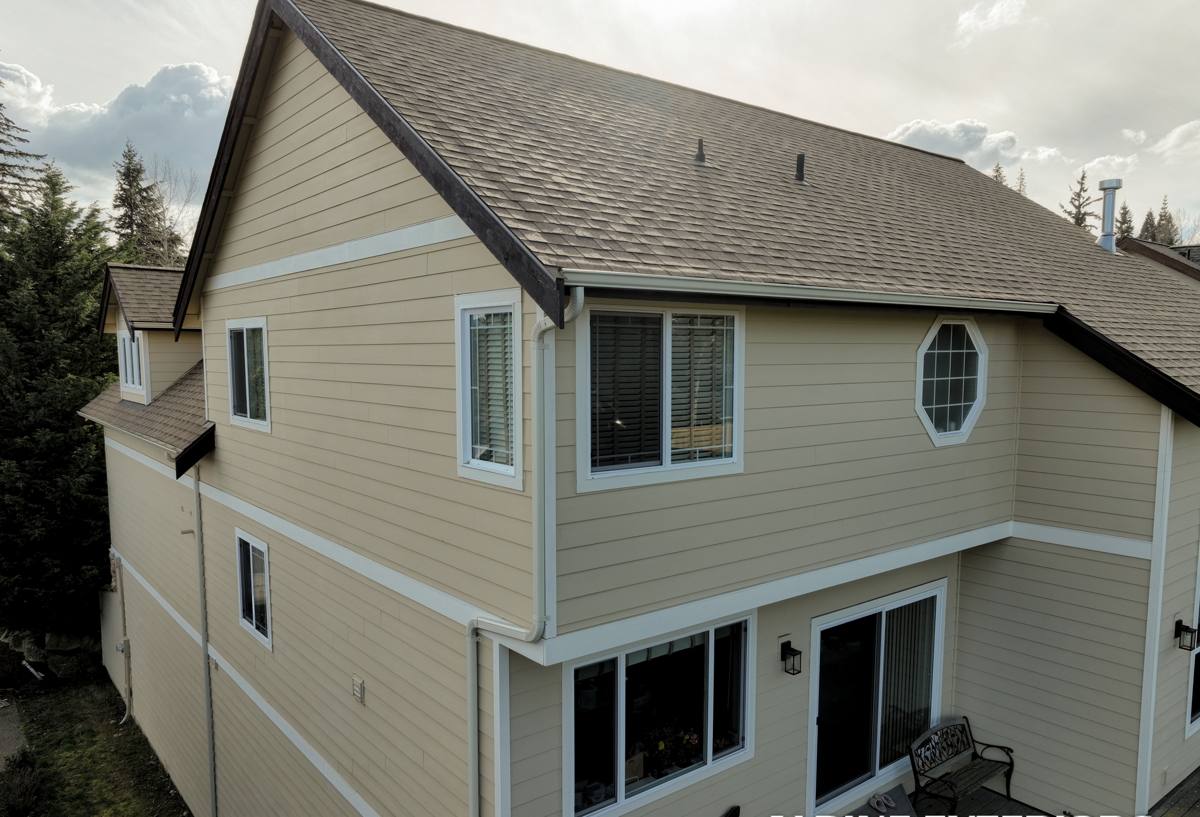
What Pinellas County's Climate Actually Does to Siding
Wind Load
Pinellas County sits in a high-velocity hurricane zone. Local building code requires wall coverings and their fastening systems to be rated for specific wind pressures, and those ratings only mean anything if the product is installed exactly to the fastening schedule the manufacturer and code require. Under-fastened siding, or siding installed with the wrong nail pattern, can fail well below its rated wind speed — not because the product is weak, but because the installation didn't match the engineering behind the rating.
UV Exposure
Florida gets more direct sun, more days a year, than almost anywhere else in the continental U.S. UV breaks down pigments and surface coatings over time, which is why so many homes in this area show chalking, fading, or peeling paint on siding that's only ten or fifteen years old. The finish system matters as much as the substrate underneath it.
Wind-Driven Rain
Rain here doesn't fall straight down during a storm — wind pushes it sideways, into seams, laps, and penetrations that would stay dry in a calmer climate. A siding system is only as good as its water management: the house wrap, flashing, and drainage plane behind the visible panels do most of the real work.
Salt Air
Even a few miles inland from the Gulf, salt-laden air corrodes exposed metal fasteners and accelerates the breakdown of materials that weren't engineered for coastal exposure. This shows up as rust streaking, fastener failure, and premature coating loss on siding that wasn't built with a coastal climate in mind.
Signs a Clearwater-Area Home Needs Siding Replacement, Not a Patch
Not every siding problem calls for a full tear-off. But in this climate, small issues tend to compound quickly. Here's what tells us a full replacement is the right call rather than a repair:
- Soft spots, bubbling, or visible rot at panel edges, corners, or below windows
- Fastener heads rusting, backing out, or staining the siding face
- Cupping, warping, or buckling panels, especially on sun-exposed elevations
- Persistent moisture, mold, or a musty smell along interior walls that back up to exterior siding
- Widespread chalking or fading that repainting hasn't meaningfully fixed
- Visible gaps at seams, corners, or trim where wind-driven rain can enter
- Siding older than its expected service life given repeated storm exposure
If you're seeing two or more of these across multiple elevations, that's usually a sign the underlying wall assembly — not just the surface — needs attention, and patch repairs will keep costing money without solving the root problem.
What a Correct Siding Replacement Job Actually Involves
A siding replacement that's going to survive a Gulf Coast hurricane season is a wall-assembly project, not a cosmetic swap. The visible panels are the last step, not the first.
Tear-Off and Inspection
Old siding comes off down to the sheathing so we can actually see what's underneath — soft or rotted sheathing, prior water damage, or improperly installed house wrap doesn't get caught if you install new siding over it. This is the step corner-cutting crews skip, and it's the one that determines whether the new siding lasts.
Moisture Barrier and Drainage Plane
A new weather-resistive barrier goes on correctly lapped, shingle-style, so water sheds downward and outward rather than working its way behind the wall. In a climate with this much wind-driven rain, this layer matters as much as the siding itself.
Flashing at Penetrations
Windows, doors, hose bibs, vents, and any other wall penetration get properly flashed and integrated with the house wrap. This is the single most common failure point we find on older Pinellas County homes, and it's almost always invisible from the outside until water damage shows up.
Fastening to Code
Fastener type, spacing, and embedment follow the manufacturer's high-wind fastening schedule for this zone — not a generic pattern. This is what actually gives the wall assembly its rated wind resistance.
Trim, Caulking, and Finish Details
Corners, trim boards, and joints get sealed with the right materials in the right sequence, so water has no path in and the finish holds its line over time.
Why We Install Only James Hardie Fiber Cement
We standardized on James Hardie fiber cement siding and don't install vinyl, LP SmartSide, or wood-based products, and that decision comes directly out of what this climate does to alternatives.
Fiber cement is non-combustible, doesn't warp or rot the way engineered wood products can when moisture gets past the finish, and holds up to direct UV and salt air far better than vinyl over the long run. James Hardie also engineers specific product lines for humid, high-moisture climates like ours — the HZ10 climate configuration is built for exactly the conditions Pinellas County homes deal with. The ColorPlus factory finish is baked on under controlled conditions rather than sprayed on-site, which gives it better fade and chip resistance than field-applied paint, and it carries a stronger, clearer transferable warranty than most site-finished alternatives.
None of that replaces correct installation — even the best product fails if it's fastened wrong or the water management behind it is bad. But starting with a product engineered for this exact climate gives a well-installed job a real margin over one built on a product that was never designed for Gulf Coast conditions.
Fiber Cement vs. Common Alternatives in This Climate
| Factor | James Hardie Fiber Cement | Vinyl | Engineered Wood (LP SmartSide) |
|---|---|---|---|
| Wind resistance | High, when fastened to spec | Moderate; can crack or blow off in gusts | Moderate |
| UV/fade resistance | Factory ColorPlus finish, low fade | Can fade and chalk over time | Depends on field-applied coating |
| Moisture behavior | Non-combustible, does not rot | Doesn't rot but can trap moisture behind it | Wood-based; vulnerable if moisture gets past coating |
| Salt air durability | Strong, engineered coastal options available | Moderate | Moderate to lower |
| Fire rating | Non-combustible | Combustible | Combustible |
Our Process for Clearwater-Area Siding Replacement
We keep the process straightforward so you know what's happening at every stage:
| Step | What Happens |
|---|---|
| 1. On-site assessment | We inspect current siding, sheathing condition, and problem areas, and walk you through what we find |
| 2. Written estimate | A clear scope and price, no pressure, no surprise add-ons buried in fine print |
| 3. Permitting | We handle the permit process with the local jurisdiction, including wind-load documentation where required |
| 4. Tear-off and prep | Old siding removed, sheathing inspected and repaired as needed |
| 5. Barrier and flashing | Weather-resistive barrier and flashing installed and integrated at every penetration |
| 6. Hardie installation | Panels installed to the manufacturer's high-wind fastening schedule |
| 7. Trim and finish | Corners, trim, and caulking completed; site cleaned up |
| 8. Final walkthrough | We go over the finished job with you before calling it done |
Cost Factors for Siding Replacement in This Area
Every home is different, and we won't quote a number without seeing the job, but the factors that actually move the price are consistent:
- Total square footage of exterior wall area
- Condition of the sheathing underneath the old siding (hidden damage adds scope)
- Number and complexity of corners, trim details, and architectural features
- Home height and access (single story vs. multi-story)
- Product selection within the James Hardie lineup (lap siding, shingle-style panels, board and batten)
- Whether existing siding requires special handling during removal
We give a written, itemized estimate after an in-person assessment so you're pricing the actual job, not a rough average.
Why Hiring a Crew That Already Works This Area Matters
Siding replacement in Pinellas County isn't the same job as siding replacement in a low-wind, low-humidity climate. A crew that works this area regularly already knows the local wind-load requirements, has a working relationship with the local permitting process, and has seen firsthand what happens when a wall assembly is or isn't built right for a hurricane season. That's a different level of judgment than a crew that installs the same way everywhere and treats Florida as an afterthought.
Being based nearby also means we're accountable after the job is done — not a name from out of town that's hard to reach if something needs a look a year or two later.
Caring for Your New Siding After Installation
James Hardie siding is low-maintenance, not no-maintenance. A yearly rinse-down removes salt residue and airborne grime before it builds up. Keep an eye on caulking at trim joints and penetrations — caulking is the one component that wears out faster than the siding itself in this climate and is easy to refresh before it becomes a water-entry point. After any major storm, a quick visual check for cracked panels, loose trim, or damaged caulking is worth the ten minutes it takes.
If your Clearwater-area home is showing signs it's time for new siding, we're happy to come take a look. The estimate is free, there's no pressure, and you'll get a straight answer about what your home actually needs.