 Largo Siding
 Building a Deck in Seminole Isn't the Same Job as Building One Inland
Seminole sits in that stretch of Pinellas County where a lot of homeowners want more usable outdoor living space — a deck off the back of the house, a raised platform around a pool, a spot for a grill and a table that isn't just a slab of concrete. The idea is simple. The engineering behind doing it well here is not, because a deck in this part of Florida has to survive conditions that most national how-to guides never account for: intense year-round UV, wind-driven rain during the wet season, salt-laden air off the Gulf and Intracoastal, and the real possibility of hurricane-force wind loads for several months of the year.
We build custom decks throughout Pinellas County, and Seminole comes up regularly because it has exactly the mix of factors that make deck-building here different — established neighborhoods with mature landscaping, homes close enough to the water for salt exposure to matter, and the same wind zone requirements that apply across the county's coastal communities. This page covers what actually goes into a correctly built deck in this climate, how our process works, and why hiring a crew that already builds here regularly changes the outcome.
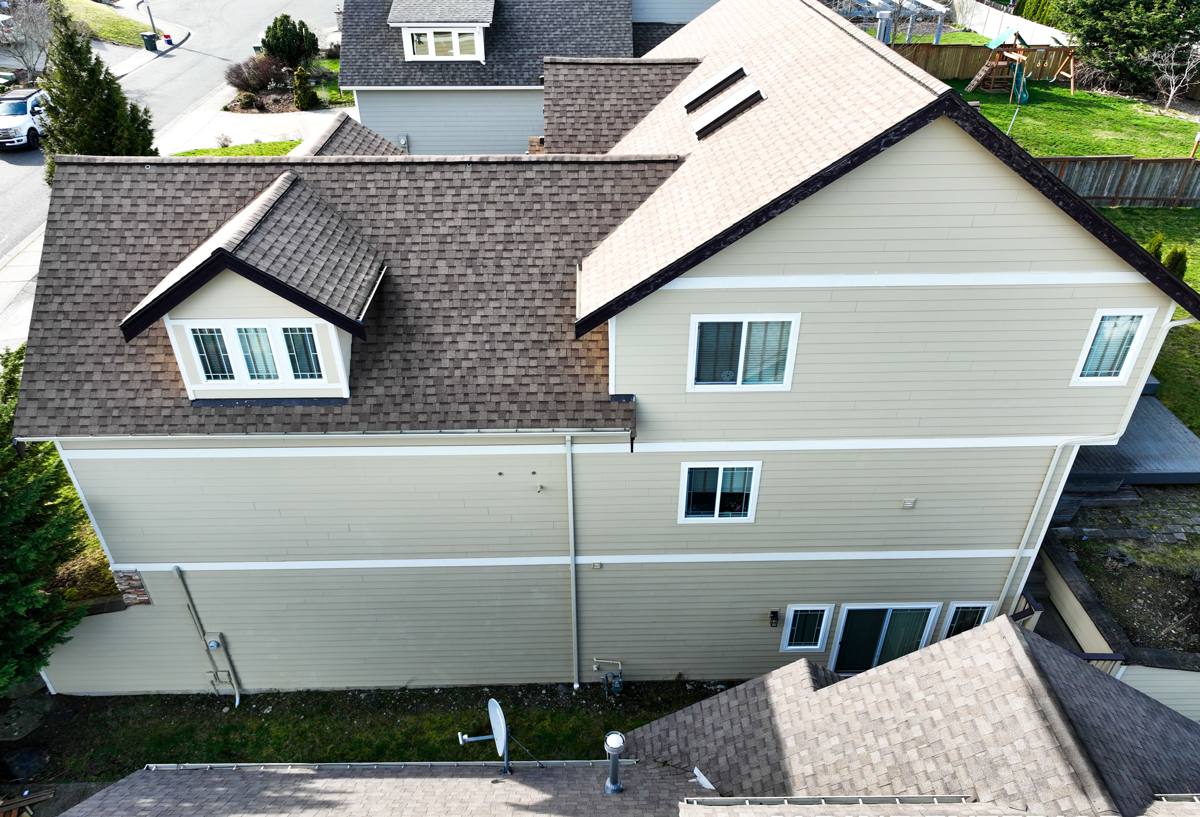
What Pinellas County Weather Does to a Deck
UV Exposure
Florida's sun angle and long day length put more cumulative UV on an exposed deck surface per year than most of the country ever sees. On lower-grade wood and some composite products, that UV load fades color, dries out surface fibers, and accelerates checking and splintering well before the structure itself is anywhere near failing. It's a finish and material problem, not a workmanship problem — but choosing the wrong product means fighting that fade and wear cycle every year instead of once at installation.
Wind-Driven Rain and Standing Moisture
A deck sheds vertical rain easily. What it has to handle here is rain pushed sideways by sustained wind, plus the humidity that keeps board surfaces and connection points damp long after the rain stops. Water that pools at ledger connections, under poorly spaced boards, or around fastener heads is what starts rot in wood framing and corrosion in hardware — and in this climate, surfaces rarely get a long enough dry stretch to reset that clock.
Salt Air
Proximity to the Gulf and the Intracoastal means airborne salt settles on exterior surfaces throughout the area, Seminole included. Salt accelerates corrosion in exposed metal — fasteners, joist hangers, structural brackets — faster than it would inland. A deck built with standard-grade hardware in a salt-air environment can start showing rust streaks and weakened connections years before an identical deck built 40 miles inland.
Hurricane-Force Wind Loads
Decks don't just sit there — an attached deck is a structural extension of the house, and it has to resist uplift and lateral load the same way the roof does. A ledger board that isn't properly through-bolted, or a post base that isn't rated for the wind zone, is a genuine failure point during a named storm, not a cosmetic weak spot.
Choosing the Right Decking Material
Material choice matters more here than in milder climates, because every option has to survive UV, humidity, and salt air simultaneously. There's no perfect material — every one is a set of trade-offs — but some hold up to this specific combination of stresses better than others.
| Factor | Pressure-Treated Wood | Composite Decking | PVC Decking |
|---|---|---|---|
| Upfront cost | Lowest | Mid-range | Highest |
| UV fade resistance | Fades and grays without regular sealing | Capped boards resist fade well | Excellent fade resistance |
| Moisture/rot risk | Real risk if maintenance lapses | Low — core doesn't rot like wood | Very low — fully synthetic |
| Maintenance | Annual sealing/staining needed | Occasional cleaning, no sealing | Minimal — occasional cleaning |
| Feel underfoot in Florida heat | Natural, but can splinter over time | Can run hot in direct sun | Some lines engineered to run cooler |
| Typical lifespan here | 10-15 years with upkeep | 25-30 years | 25-30+ years |
We'll talk through these trade-offs honestly during an estimate. Pressure-treated wood costs less up front and has a real, established track record, but it demands consistent maintenance to hold up to Pinellas County humidity and sun — skip a sealing cycle or two and it shows. Composite and PVC decking cost more initially but largely remove the maintenance burden and hold their color and structural integrity much longer under constant UV and salt exposure, which is why we see more homeowners in this area moving toward them for anything they want to enjoy for decades rather than redo every few years.
Structural Details That Matter More Here Than Elsewhere
Ledger Board Attachment
The ledger board — where the deck attaches to the house — is the single most important structural connection on an attached deck, and it's the one most likely to be under-built by a crew that doesn't regularly work in hurricane wind zones. Proper attachment means through-bolting (not just lag screws) into solid framing, correct flashing to keep water from getting behind the house's exterior wall, and spacing that meets local structural requirements rather than a generic national minimum.
Footings and Post Bases
Footing depth and post base hardware both need to account for wind uplift, not just the static weight of people and furniture. We use post bases and hurricane-rated connectors sized for the wind zone rather than whatever's cheapest at a big-box store, and footings are sized and placed according to the structural plan, not eyeballed.
Fasteners and Hardware
In a salt-air environment, fastener grade is not a place to cut corners. We use stainless steel or heavy hot-dip galvanized hardware rated for coastal exposure throughout the structural connections — joist hangers, structural screws, post anchors — because standard-grade hardware corrodes faster here and a corroded connection is a hidden failure point you can't see from the surface.
Joist Spacing and Board Fastening
Joist spacing gets tightened up depending on the decking material chosen, since composite and PVC boards often have different span ratings than wood. Board fastening — hidden fasteners, screws, or clips — needs to allow for the expansion and contraction that heat cycling causes, especially with composite and PVC products, so gaps don't buckle or fasteners don't back out over a few summers.
Permitting and Code in Pinellas County
Deck construction in Pinellas County requires a permit in nearly every case, and inspections happen at multiple stages — typically footings before backfill, framing before decking goes down, and a final inspection. The county's wind zone maps affect required hardware ratings, post spacing, and ledger attachment specs, and those requirements aren't optional guidelines — they're what an inspector is checking against.
Skipping or shortcutting the permit process is a real risk for homeowners, not just a paperwork issue. An unpermitted deck can complicate a home sale, create insurance claim problems after storm damage, and in some cases has to be torn out and rebuilt to code before it can be legally used. We pull permits on every project and build to what the county actually requires for this wind zone.
How Our Process Works
Every custom deck project starts with an on-site consultation, not a generic quote over the phone. We look at the house's structure where the deck will attach, the yard's grade and drainage, sun exposure, and what the homeowner actually wants to use the space for — those factors all affect material recommendations and layout.
What a Typical Project Includes
- On-site consultation and structural assessment of the attachment point
- Design and material selection, with honest trade-offs explained for each option
- Permit application and submission to Pinellas County
- Footing excavation and inspection before any framing begins
- Framing with wind-zone-rated hardware and properly flashed ledger attachment
- Decking installation to manufacturer spec, with fastening appropriate to material and climate
- Railing, stairs, and any built-in features completed to code
- Final county inspection and walkthrough with the homeowner
We don't skip the footing inspection step to save time, even though it means a pause in the schedule while the county signs off. That inspection exists because footings are the one part of the structure nobody can check once the deck is built on top of them, and rushing past it is exactly how homes end up with decks that look fine for a few years and then develop problems that trace straight back to an under-built foundation.
Why a Local Crew Matters for This Work
A lot of what makes a deck perform well over 20-plus years in this climate doesn't show up in a walkthrough the day it's finished — it's in details like how the ledger flashing was integrated, whether the hardware grade matches the salt exposure, and whether footing depth actually accounts for wind uplift instead of just static load. A crew that builds decks in Pinellas County regularly has already seen how those details play out under real hurricane seasons and real Gulf Coast humidity, not just in a manufacturer's spec sheet written for a national market.
It also matters for permitting. A contractor who pulls permits in this county regularly knows what the local building department actually requires and what inspectors are looking for at each stage, which keeps the project moving instead of stalling on avoidable corrections.
Signs an Existing Deck Needs Attention
- Soft, spongy, or discolored boards, especially near the ledger or stair stringers
- Rust streaks around fasteners, joist hangers, or post connectors
- Visible gaps or separation where the deck meets the house
- Wobbly railings or posts that move under moderate pressure
- Boards that have cupped, warped, or split after a summer of heat and rain
- A deck older than 15-20 years with no documented structural inspection
None of these automatically mean a full rebuild, but they're worth a professional look before storm season rather than after a structural connection has already failed.
Decks Alongside Siding, Roofing, and Windows
A deck attached to a house shares a structural and weatherproofing relationship with the rest of the building envelope — the ledger connection ties into the wall, and how that area is flashed affects both the deck's performance and the siding around it. We handle siding, roofing, windows, and decks, so when we're out for a deck consultation we'll flag anything we see in the surrounding structure that could affect the project, rather than building a deck against a wall that already has a moisture problem behind it.
What to Expect From an Estimate
An honest estimate starts with a real look at your property, not a number pulled from square footage alone. We'll walk the site, talk through material options and their trade-offs for your specific yard and budget, and explain what the permitting and inspection timeline will look like. Cost varies with size, decking material, height above grade, railing and stair requirements, and site access, and we'll walk through those factors specifically rather than leaving you to guess.
If you're in Seminole and thinking about a custom deck — whether you're starting from scratch or replacing something that's past its prime — we're happy to come take a look and give you a straightforward, no-pressure estimate using the form below.