 Largo Siding
 Why Treasure Island's Barrier-Island Climate Is Hard on Siding
Treasure Island sits out on the Gulf side of Pinellas County, with saltwater on more sides of most properties than dry land. That location is what makes the island beautiful, and it's also what makes exterior siding fail faster here than it does ten miles inland. Four things are working against your walls year-round: salt-laden air that corrodes fasteners and trim, sun exposure intense enough to fade and embrittle lesser materials within a few years, wind-driven rain that gets forced sideways and upward under poorly flashed siding, and the very real chance of hurricane-force gusts several times a decade.
None of those factors are exotic — every coastal Florida property deals with them. What's different about a barrier island like Treasure Island is that there's no buffer. Homes closer to the bay side of Largo or set back from the water get some protection from tree cover, other structures, and distance from open Gulf air. Out here, siding takes the full brunt of it, which is why the products and installation details that are "good enough" for an inland home aren't good enough for this one.
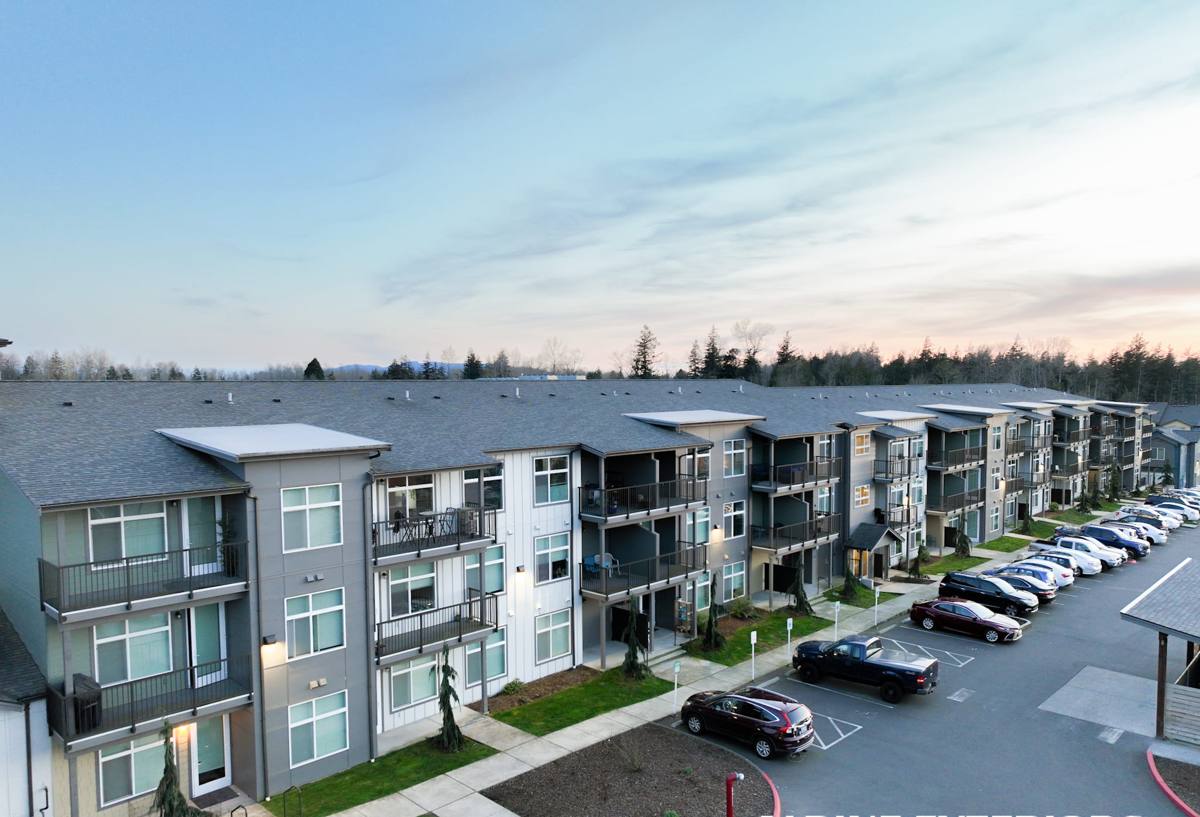
Why We Only Install James Hardie Fiber Cement in This Environment
We made the decision years ago to install James Hardie fiber cement siding exclusively, and a barrier island climate is exactly the kind of environment that decision was made for. Fiber cement doesn't rot, doesn't feed termites, and doesn't warp the way wood-based products can when they take on moisture. It's non-combustible, which matters on tightly spaced island lots. And unlike vinyl, it doesn't soften, sag, or go brittle from years of direct, unfiltered Gulf sun — vinyl siding is a petroleum-based product, and heat plus UV is its weak point.
Just as important: James Hardie engineers separate product formulations for different climates through what they call the HardieZone system. Homes in Pinellas County fall under the HZ10 configuration, built for hot, humid, moisture-heavy conditions rather than the freeze-thaw cycles that northern climates deal with. That's not a marketing detail — it's the actual composition of the board, engineered to hold up to the specific way Florida weather attacks a wall.
The factory-applied ColorPlus finish matters here too. Field-applied paint on any siding material is the first thing to give up in salt air and intense UV — it chalks, fades unevenly, and needs recoating on a short cycle. ColorPlus is baked on in a controlled factory process with a finish designed to resist fading and hold color consistency far longer than a job-site paint job, which is a real advantage on a property that gets this much sun.
Choosing the Right Hardie Profile for a Treasure Island Home
James Hardie makes several distinct siding profiles, and the right one depends on your home's architecture, roofline, and how much of the exterior faces open water. We walk every property before recommending a product line.
HardiePlank Lap Siding
The most common choice for Florida coastal cottages and standard single-family homes. It gives the traditional horizontal lap look, comes in multiple exposure widths and textures (smooth or cedar-grain), and performs well as a primary field material on most Treasure Island homes.
HardiePanel Vertical Siding
Often used on gable ends, porch enclosures, or as an accent alongside lap siding for a more modern coastal look. Vertical panel siding is also a common choice on elevated or stilt-style homes where a clean, simple line reads well against tall foundation walls.
HardieShingle
Individual or panelized shingle-look siding used as an accent on gables, dormers, or entire elevations where a classic beach-cottage texture is the goal. It costs more per square foot than lap siding but changes the character of a home significantly.
| Profile | Best Suited For | Coastal Note |
|---|---|---|
| HardiePlank Lap | Primary siding, most home styles | Workhorse choice; wide color/texture range |
| HardiePanel Vertical | Gables, accents, elevated homes | Fewer horizontal joints to seal against wind-driven rain |
| HardieShingle | Accent walls, dormers, beach-cottage look | More labor-intensive; higher material cost |
What Correct Installation Looks Like in a High-Wind, Salt-Air Environment
Fiber cement siding is only as good as the installation behind it. This is the part of the job that separates a wall that holds up through a decade of Gulf storms from one that develops problems within a few years, and it's the reason experience installing specifically in this kind of environment matters more than experience in general.
Fastening
James Hardie publishes a specific fastening schedule for high-wind zones, with tighter nail or screw spacing than what's used in calmer inland areas. We follow the wind-zone fastening requirements that apply to a property this close to open water, not the standard-exposure schedule. Fasteners themselves need to be corrosion-resistant — stainless steel or hot-dip galvanized — because standard fasteners will bleed rust through the finish within a couple of seasons in salt air.
Flashing and Water Management
Wind-driven rain on a barrier island doesn't fall straight down — it gets pushed sideways and even upward under eaves and around window and door openings. Correct installation means proper flashing at every penetration, a continuous weather-resistive barrier behind the siding, and correct shingling of overlaps so water is always directed outward and down, never trapped behind the board.
Clearance and Sealant Details
Siding needs proper clearance from grade, roof lines, decks, and any horizontal surface that can hold standing water or splash against the bottom edge of the boards. Joints and butt seams need the right sealant, applied correctly — not as a substitute for proper flashing, but as a secondary line of defense. Skipping these details is invisible on installation day and expensive to discover five years later.
Special Considerations for Elevated and Older Treasure Island Homes
A lot of homes on the island are elevated on pilings or stem walls, with breakaway enclosures or garage space underneath — standard construction for barrier island flood zones. Siding on these homes has to handle transitions that a typical slab-on-grade house never sees: where siding meets a raised foundation wall, where it wraps stair enclosures, and where it interfaces with flood-vented lower-level walls. Each of those transitions is a place water can get behind the siding if it isn't detailed correctly, and it's exactly the kind of detail that shows whether a crew has actually worked on elevated coastal homes before or is improvising.
Older homes on the island also frequently have layers of past repairs — old wood siding patched with whatever was available at the time, inconsistent trim, or sheathing that's taken on moisture damage over the years. Before any new siding goes up, we check the condition of the sheathing and framing underneath. New siding over damaged sheathing just hides a problem that will keep getting worse.
Our Process, From Estimate to Finished Job
- On-site walkthrough to assess current siding condition, sheathing, trim, and any moisture or structural issues
- Product and profile recommendation based on your home's architecture and sun/wind exposure
- Color and finish selection from James Hardie's ColorPlus lineup, including lighter, heat-reflective options common on Gulf-facing homes
- Tear-off of existing siding (in most cases — overlay is rarely the right call on a home dealing with this much weather exposure) and inspection of what's underneath
- Repair of any damaged sheathing or framing found during tear-off, before new siding goes up
- Installation following James Hardie's wind-zone fastening and flashing requirements
- Final walkthrough so you can see the finished work and ask questions before we consider the job done
Maintaining Hardie Siding on a Barrier Island
Fiber cement is low-maintenance compared to wood or vinyl, but "low-maintenance" doesn't mean "no maintenance," especially this close to saltwater. A periodic rinse-down with a garden hose helps clear salt residue and airborne grime before it builds up. It's worth a yearly look at caulked joints and trim intersections for cracking or gaps, since sealant is the first thing exposed to sun and salt to break down. ColorPlus finish holds its color far longer than field-applied paint, but it isn't infinite — eventually even factory finishes will need attention, just on a much longer cycle than a painted wood or vinyl exterior. Keeping sprinkler heads from spraying directly on the siding and trimming back vegetation that holds moisture against the wall both go a long way toward protecting the investment.
What Drives the Cost of a Treasure Island Siding Job
Every home is different, and we don't quote a job without seeing it, but the same handful of factors drive cost on nearly every project out here.
| Factor | Why It Matters |
|---|---|
| Home size and number of stories | More square footage and elevated homes mean more material and labor time |
| Condition of existing sheathing | Rot or water damage found during tear-off adds repair work before siding can go up |
| Trim and architectural detail | Multiple gables, dormers, and window/door openings add cutting and flashing time |
| Access and site conditions | Tight lots, elevated construction, and limited staging space affect labor efficiency |
| Profile and finish choice | Shingle-look accents and premium ColorPlus finishes cost more than standard lap siding |
What to Look for When Hiring a Siding Crew for This Kind of Home
Not every licensed contractor has real experience with barrier island installations, and the difference shows up years later, not on day one. Before you hire anyone for a Treasure Island siding project, it's worth asking a few pointed questions.
- Are they licensed and insured to do exterior construction work in Florida, and can they show proof?
- Do they have specific experience installing siding on elevated or coastal-exposure homes, not just standard inland construction?
- Will they follow James Hardie's published fastening and flashing requirements for your wind exposure, in writing?
- Do they pull the required permits, or are they suggesting you skip that step?
- Will they check and document the condition of the sheathing before installing new siding over it?
- Is the product, profile, and color spelled out clearly in a written scope of work before anything starts?
A contractor who can answer all of those without hesitation is one worth trusting with a home that's going to face the Gulf every day for the next several decades.
If you're planning a siding project on Treasure Island, we're happy to walk the property, look at what's there now, and give you a straight answer on what it needs. Reach out for a free, no-pressure estimate using the form below.