 Largo Siding
 Building a Deck That's Made for This Climate, Not Just This View
A custom deck in Dunedin or Largo has to do more work than a deck almost anywhere else in the country. It's not just a place to put a grill and some chairs — it's an outdoor structure that sits directly under intense year-round sun, takes hurricane-force wind loads during storm season, gets soaked by wind-driven rain, and breathes salt-laden air off the Gulf almost every day of the year. A deck that's designed and built without those conditions in mind will look fine for a season or two and then start showing problems: loose railings, corroded hardware, cupped boards, soft spots at the ledger. A deck built correctly for this part of Pinellas County holds up for decades instead of years.
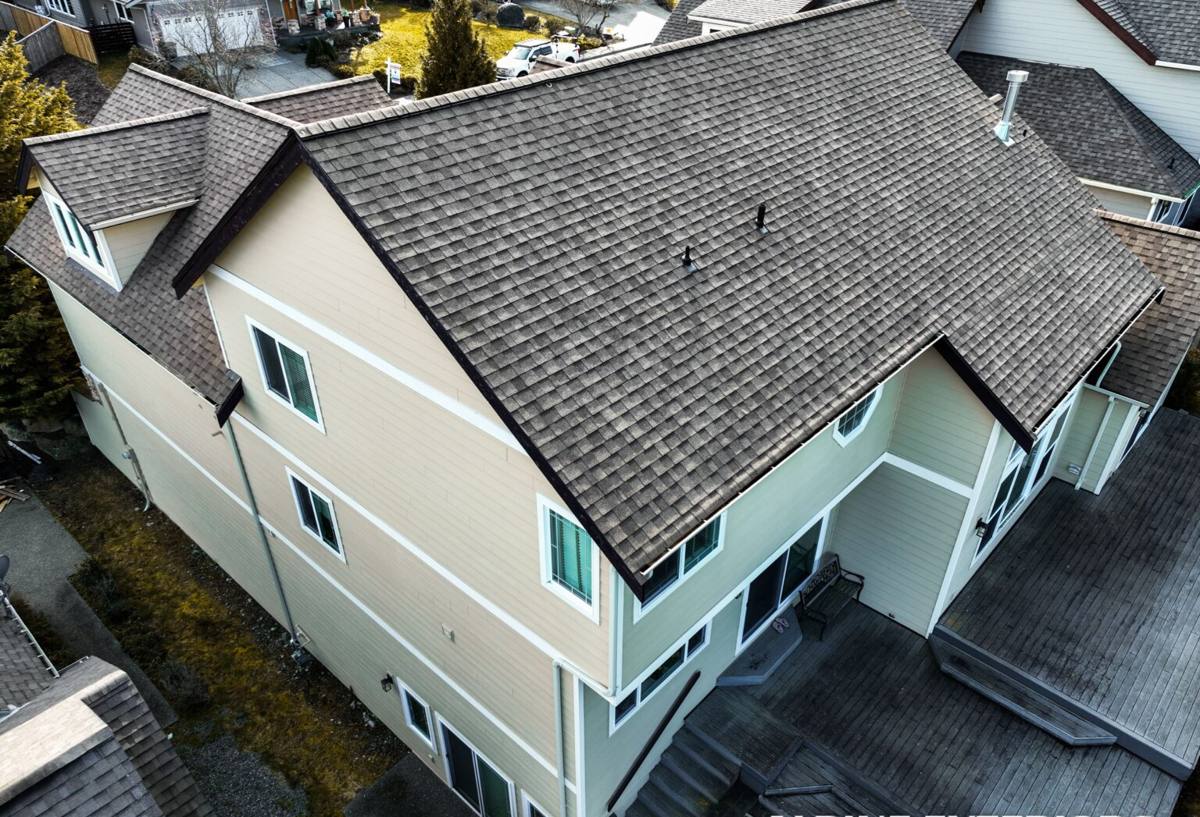
What Dunedin's Climate Actually Does to a Deck
Wind
Pinellas County sits in a high wind-velocity zone under the Florida Building Code, and Dunedin's exposure to open water means gusts during tropical systems and even routine summer storms can be significant. A deck isn't just a flat surface — it's a structure that has to resist uplift and lateral load, especially on elevated decks or those attached to a second-story living area. Undersized footings, missing hurricane ties, or a ledger board that's just nailed to the house rather than properly bolted and flashed are the most common failure points we see when we're asked to look at an older deck.
Sun and UV
Florida sun is relentless, and it's not seasonal — it's a year-round load on every exposed surface. UV breaks down the lignin in wood fibers, causes graying and splintering, and fades composite decking colors faster than the manufacturer's marketing usually admits. Fasteners, railing caps, and even the adhesives in some composite products can degrade faster here than in a mild climate, which is exactly why material selection matters more in Dunedin than it does somewhere with four mild seasons.
Salt Air and Moisture
Being close to the Gulf means airborne salt settles on everything — railings, fasteners, hidden hardware — and accelerates corrosion. Standard zinc-coated screws and brackets that are fine inland can start rusting and staining a deck within a couple of years this close to the water. Combine that with Florida's humidity and afternoon showers, and any wood that isn't properly sealed, ventilated, and flashed is set up for rot, mildew, and mold growth in ways homeowners further north rarely deal with.
Wind-Driven Rain
Rain here doesn't fall straight down — storms push it sideways into ledger connections, under railing posts, and into any gap where flashing wasn't done right. Most deck rot we find in this region doesn't start on the decking boards themselves; it starts at the ledger board where the deck meets the house, because that joint took on water for years before anyone noticed.
Choosing the Right Decking Material for Dunedin
There's no single "best" decking material — there's a best material for your budget, your maintenance appetite, and how close you are to the water. Here's how the common options actually perform in this climate:
| Material | How It Handles This Climate | Maintenance | Typical Lifespan Here |
|---|---|---|---|
| Pressure-treated pine | Affordable, but prone to cupping, splintering, and graying under constant UV; needs sealing to resist moisture | Annual cleaning and re-sealing recommended | 10-15 years with upkeep |
| Composite decking | Resists rot and won't splinter; quality varies a lot by brand — cheaper composites can fade or flake near the coast | Periodic washing; no sealing or staining needed | 20-25+ years |
| PVC/vinyl decking | Fully synthetic, handles moisture and salt air well, most fade-resistant option for intense sun exposure | Low — occasional washing | 25-30+ years |
| Tropical hardwood (ipe, similar) | Naturally dense and rot-resistant, but expensive and requires correct fastening for movement in heat and humidity | Periodic oiling to maintain color; will gray without it | 25+ years structurally |
We'll walk through these trade-offs honestly during your estimate — including where a lower-cost composite line has a track record of problems near saltwater versus one that doesn't, based on what we've actually installed and serviced.
The Structural Work Nobody Sees (But Everything Depends On)
The decking boards are the least important part of whether a deck survives a Florida decade. What actually determines lifespan is underneath:
- Ledger attachment and flashing: where the deck bolts to the house needs mechanical fasteners rated for the load, plus proper flashing that sheds water away from the house's wall assembly — not caulk covering a gap.
- Footings: sized and set to the depth and bearing capacity the engineering calls for, not just "deep enough to look right."
- Hurricane ties and structural hardware: joist hangers, post bases, and uplift connectors rated for the wind zone, in stainless or coated hardware that won't corrode from salt air within a few seasons.
- Joist spacing and spans: matched to the decking material you choose — composite and PVC often require tighter joist spacing than solid wood to avoid deflection over time.
- Ventilation: airflow underneath the deck keeps humidity from sitting against the framing, which matters more here than almost anywhere else in the country.
A deck that looks identical from the top can be built two very different ways underneath — one that's engineered for this climate and one that isn't. The difference doesn't show up until year three or four.
Permits, Codes, and Railings
Decks in Largo and Dunedin need to meet Florida Building Code requirements, which include wind load calculations specific to Pinellas County's velocity zone, plus local permitting through the applicable city or county building department depending on exactly where your property sits. Guard railings on elevated decks have code-mandated height and baluster spacing requirements — this isn't optional detailing, it's a life-safety requirement, and it's also one of the first things an inspector checks.
We handle the permit submittal and coordinate the required inspections as part of the job. If a previous deck on your property was built without a permit, we'll tell you honestly what that means for insurance, resale, and any future work — it's better to know before it becomes a problem during a home sale or a claim.
What Affects the Cost of a Custom Deck
| Factor | Why It Matters |
|---|---|
| Size and shape | Multi-level decks, curves, and built-in seating add framing and labor beyond a simple rectangle |
| Height / elevation | Elevated decks need deeper footings, stronger railings, and sometimes stairs — all add cost and engineering |
| Decking material | Pressure-treated wood costs least upfront; PVC and premium composite cost more but need far less upkeep long-term |
| Railing style | Basic aluminum or composite balusters vs. cable rail or glass panel systems changes both cost and wind-load detailing |
| Roof or shade structure | Adding a pergola or roof cover over the deck is a separate structural scope, often requiring its own engineering |
| Permit and engineering | Larger or elevated decks may require a sealed engineering drawing, which is a fixed cost regardless of deck size |
We can build well-made decks across a wide range of budgets — the goal in the first conversation is understanding what you actually want to use the space for, then designing to that instead of upselling features you don't need.
How We Build Your Deck
- On-site visit and design: we look at your house's construction, the site's drainage and sun exposure, and talk through how you'll actually use the deck.
- Engineering and permitting: we prepare the plans, get the required sign-off, and submit for permit so the job is fully documented and inspected.
- Site prep and footings: layout, excavation, and footings poured to the depth and spec the engineering requires.
- Framing and structural connections: ledger attachment, joists, posts, and all hurricane-rated hardware installed before a single decking board goes down.
- Decking, railing, and finish work: your chosen material installed with fasteners and spacing appropriate to how it expands and contracts in Florida heat.
- Final walkthrough and inspection: we go over the finished deck with you and make sure the required inspections are closed out.
Why Hiring a Crew That Already Works in Dunedin and Largo Matters
A deck contractor who works this specific part of Pinellas County regularly already knows the local permitting process, has a working relationship with the inspectors, and has seen firsthand how different materials and hardware actually hold up a few blocks from the water versus ten miles inland. That local track record is worth more than a general contractor's national brand — it means fewer surprises during permitting, and a deck that's specified correctly for Dunedin's exposure from the first conversation instead of being value-engineered down to a generic spec that works fine in a drier climate.
Keeping Your New Deck in Good Shape
- Rinse off salt residue and debris every few weeks, more often close to the water
- Check railing posts and connections for movement once or twice a year
- Keep gutters and downspouts clear so runoff isn't dumping onto or under the deck
- Reseal wood decking on the manufacturer's recommended schedule — don't wait for visible graying
- Inspect under the deck occasionally for standing water or vegetation blocking airflow
- Address any soft or spongy boards immediately rather than waiting for the next maintenance cycle
If you're weighing a new deck for your Dunedin or Largo home, we're happy to walk the property, talk through material and design options honestly, and give you a straightforward, no-pressure estimate. There's a form below to get that conversation started.