 Largo Siding
 Storm Damage Roof Repair for Seminole Homes
Seminole sits close enough to the Gulf that every named storm season brings the same question to homeowners here: is the roof still doing its job? Between hurricane-force wind events, the wind-driven rain that comes ahead of and behind a storm, and the salt-laden air blowing in off the water, roofs in this part of Pinellas County take a beating that inland Florida homes simply don't see at the same rate. A roof that looks fine from the driveway can still have lifted shingles, compromised flashing, or a soaked layer of decking underneath — and if that damage sits untreated through our humid stretch of the year, it turns into rot, mold, and interior water stains fast.
This page covers what storm damage roof repair actually involves for a Seminole home specifically — not a generic overview, but what we look for, how we fix it, and why local experience matters when the next system rolls through.
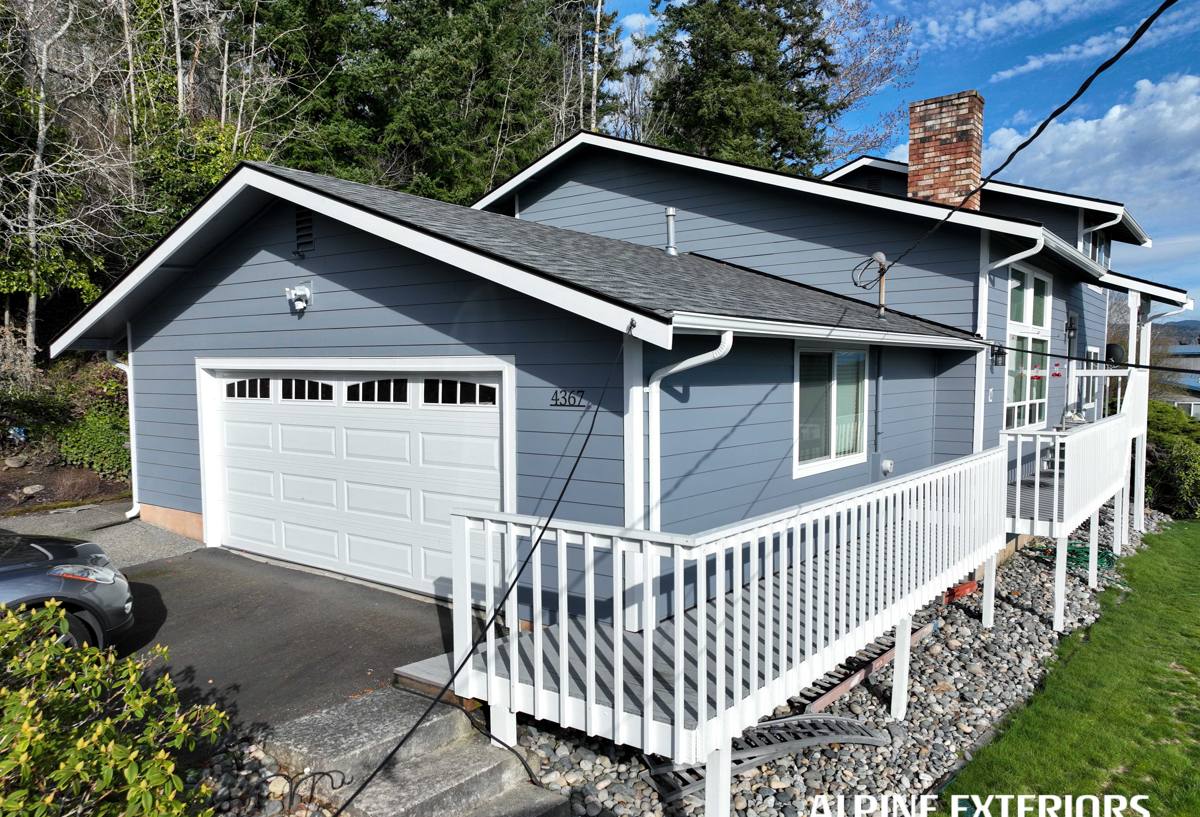
Why Seminole Roofs Take Extra Punishment
A few things stack up against roofs in this area, and they compound each other over time:
Wind and Wind-Driven Rain
Even storms that never make landfall as a hurricane can push sustained wind and gusts through Seminole strong enough to lift shingle tabs, work flashing loose, and drive rain sideways under roof edges and around penetrations. Once wind gets under one shingle edge, it peels the next one, and the next — that's how a small area of damage spreads if it's not caught early.
Year-Round UV Exposure
Florida sun is hard on roofing materials every single day, not just during storm season. UV breaks down the asphalt oils in shingles and dries out sealant strips, which makes those materials more brittle and more likely to crack or lift when wind hits them. A roof that's already UV-aged going into a storm sustains worse damage than a newer one under the same wind load.
Salt Air
Being close to the coast means metal roof components — flashing, fasteners, drip edge, vent stacks — are exposed to salt in the air, which speeds up corrosion. Corroded fasteners lose their grip, and corroded flashing fails at seams before the roofing material itself gives out. This is one of the most overlooked causes of storm-related leaks in this area.
None of these factors cause damage on their own most years. It's the combination — sun-weakened materials, salt-weakened fasteners, then a wind and rain event — that turns a routine storm into a repair job.
Signs Your Seminole Roof Has Storm Damage
Some damage is obvious after a storm. A lot of it isn't, and that's what causes problems months later. Here's what we tell Seminole homeowners to check for or have inspected:
- Missing, cracked, or curling shingles, especially near roof edges, ridges, and valleys
- Granules collecting in gutters or at downspout outlets — a sign of shingle surface wear from wind and hail
- Soft spots or sagging when walking the roof (a sign of wet decking underneath)
- Water stains on interior ceilings or upper walls, even faint ones
- Bent, lifted, or missing flashing around chimneys, skylights, and vent pipes
- Debris impact marks, punctures, or dented vent caps and pipe boots
- Visible gaps where the roofline meets fascia or siding
- Musty smell in the attic, which usually means moisture has already gotten in
If you notice any of these after a storm — or even if you're not sure and just want a professional set of eyes on it — that's worth a call before the next rain event, not after.
What a Correct Storm Damage Repair Actually Involves
Storm repair isn't just replacing the shingles you can see are missing. Done right, it addresses everything underneath and around the visible damage so the same spot doesn't fail again in the next system:
Full Assessment, Not a Surface Check
We look past the obvious damage to check decking condition, underlayment integrity, flashing at every penetration and roof-wall intersection, and ventilation components. Wind and water rarely damage just one shingle in isolation — the surrounding area usually needs a closer look.
Decking and Underlayment
If water has reached the wood decking, that section needs to be dried out or replaced before any new roofing material goes down. Skipping this step is the single most common reason a "repaired" roof leaks again during the next storm — new shingles over compromised decking or old underlayment don't hold.
Flashing Repair or Replacement
Given how much salt air corrosion affects flashing in this area, we treat flashing as its own line item, not an afterthought. Corroded or bent flashing gets replaced, not just resealed, especially at chimneys, skylights, and roof valleys where most leaks actually originate.
Matching Materials Correctly
Shingle color and profile change over the years, so a repair on an older roof may not match perfectly — we're upfront about that before starting rather than after. For larger damaged sections, we'll talk through whether a patch repair or a full section replacement gives you a better long-term result.
Fastening for Wind Resistance
Repairs get fastened to current wind-resistance practices, not just whatever was there before. That matters in Seminole specifically, since a repair done to minimum standard is often the first thing to fail in the next wind event.
Our Process for Seminole Storm Repairs
We keep this straightforward:
- Inspection. We walk the roof and attic, document what we find with photos, and explain what's damage versus what's normal wear.
- Written scope and estimate. You get a clear breakdown of what needs repair, what it involves, and a realistic cost range before any work starts.
- Insurance documentation, if applicable. If you're filing a claim, we provide the photo documentation and scope detail adjusters typically ask for.
- Repair. We do the work in the order that stops active leaks first, then addresses the rest of the scope.
- Cleanup and final walkthrough. Debris and old material removed, and we walk the finished repair with you.
Repair or Replace? What Actually Drives That Decision
Not every storm-damaged roof needs full replacement, and not every roof is worth patching. The honest answer depends on a few factors:
| Factor | Favors Repair | Favors Replacement |
|---|---|---|
| Roof age | Under 10-12 years | Nearing or past expected lifespan |
| Extent of damage | Localized to one section or slope | Widespread across multiple slopes |
| Decking condition | Dry, structurally sound | Multiple areas of rot or soft decking |
| Prior storm history | First significant damage event | Repeated repairs over recent years |
| Material availability | Close match still manufactured | Discontinued shingle line, poor match |
| Insurance scope | Adjuster approves repair-level scope | Adjuster approves full replacement |
We'll give you our honest read on which side of that table your roof falls on — we're not going to push a full replacement on a roof that only needs targeted repair, and we won't recommend a patch job on a roof that's genuinely at the end of its useful life.
Working With Your Insurance Company
Most storm damage repairs in this area involve an insurance claim. A few things that help that process go smoother:
- Document damage with photos as soon as it's safe to do so, before any temporary repairs
- Keep any tarps or temporary fixes minimal and photograph them too — insurers want to see the original damage
- Get a contractor's written scope and estimate before the adjuster visit, so you have your own documentation to compare against theirs
- Ask questions if the adjuster's scope leaves out something you can see is damaged — it happens, and it's worth pushing back on
We're not a public adjuster and won't claim to be, but we can provide the roofing-specific documentation that supports your claim and explain, in plain terms, what we're seeing versus what the insurance scope says.
Why It Matters That We Already Work in Seminole
A crew that's already doing roof work in this part of Pinellas County brings a few practical advantages over someone driving in from out of the area after a big storm:
We're familiar with the wind-load and code requirements that apply to roofing repairs in this county, so repairs are done to hold up, not just to pass a quick visual check. We know how fast salt air corrodes flashing and fasteners here, so we don't under-spec those components to save a few dollars. And because we're local, we're not disappearing after the immediate storm rush — if a repair needs a follow-up visit, we're a short drive away, not a phone number that stops answering once storm season ends.
After a major regional storm, response time matters too. Contractors who flood into an area temporarily after a hurricane are often gone within a few months, which leaves homeowners with nobody to call if a repair doesn't hold. A local crew has a reputation in the neighborhood to protect and a reason to stand behind the work.
After the Storm: A Quick Homeowner Checklist
- Check the attic for water stains or damp insulation, not just the exterior roof
- Look at gutters and the ground below roof edges for granule loss or shingle pieces
- Photograph any visible damage before arranging temporary tarping
- Avoid walking a wet or wind-damaged roof yourself — leave that to a professional
- Get an inspection even if you don't see obvious damage from the ground
- Don't wait weeks to address a suspected leak — Florida humidity turns small leaks into mold problems quickly
If a recent storm has you wondering about your roof's condition, we're happy to take a look. Reach out for a free, no-pressure estimate using the form below, and we'll walk you through exactly what we find.