 Largo Siding
 Indian Shores Sits in a Tougher Climate Than Most of Pinellas County
Indian Shores is a narrow barrier island community wedged between the Gulf of Mexico and the Intracoastal Waterway, just west of Largo. Homes here don't get the buffer that mainland Pinellas County properties get. Gulf wind hits the west-facing walls directly, salt spray carries further inland than most homeowners expect, and the sun reflecting off open water and sand adds UV exposure on top of Florida's already brutal year-round intensity. A siding product that performs fine a few miles inland in Largo or Clearwater can fail years early on the island simply because the exposure is more constant and more severe.
That's the starting point for any honest conversation about siding on Indian Shores: this isn't a generic Florida siding job. It's a coastal job, and it needs to be treated like one from material selection through the last bead of sealant.
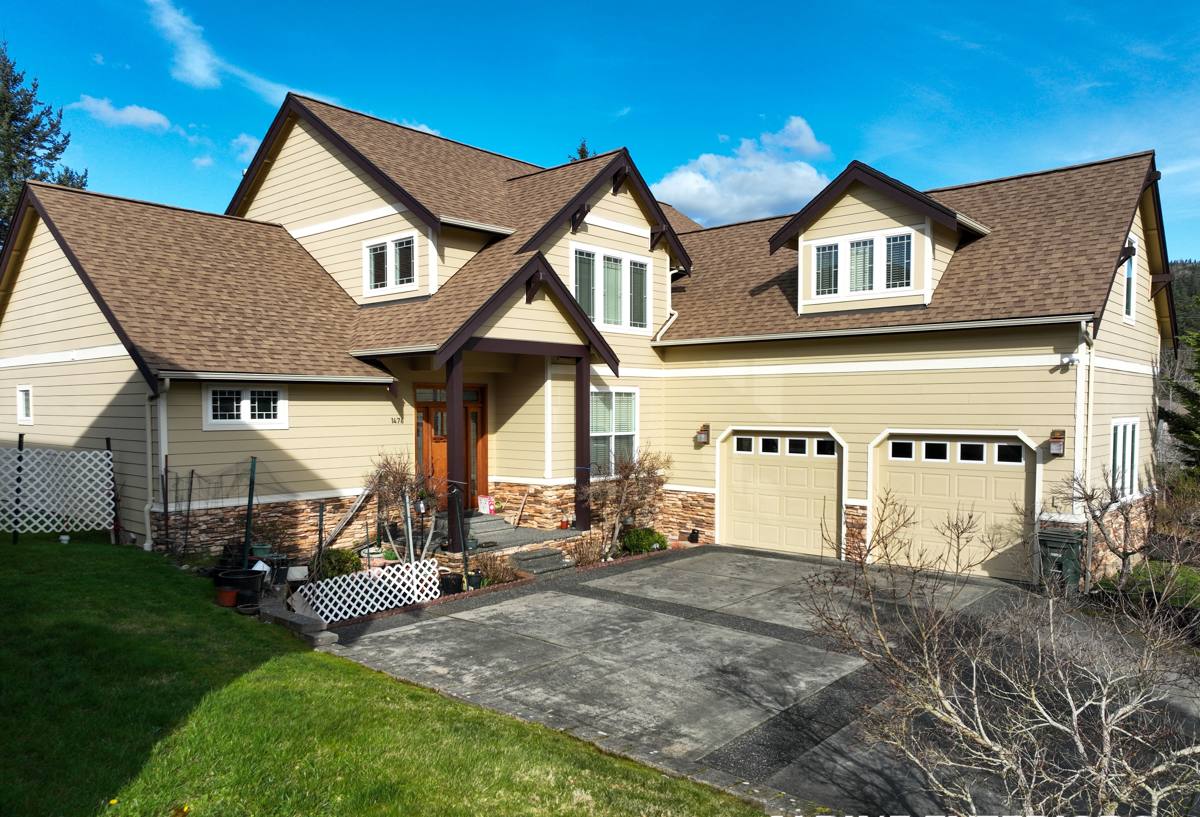
What Salt Air, Sun, and Wind Actually Do to Siding
Each of these stressors attacks siding differently, and on a barrier island they're all working at once, year-round.
Salt Air and Wind-Driven Rain
Airborne salt is corrosive and hygroscopic — it pulls moisture out of the air and holds it against a building's surface. On wood-based sidings, that means more swelling, more cupping, and faster paint failure than the same product would see inland. Metal fasteners and trim accessories corrode faster near the Gulf, which is why fastener and flashing choice matters as much as the siding panel itself. Wind-driven rain during Gulf storms also finds every gap in a wall assembly, pushing water sideways and upward under laps and around penetrations that would stay dry in a normal rain event.
Year-Round UV
Pinellas County gets intense sun in every season, not just summer, and the open exposure on the barrier island means less shade and more direct and reflected UV hitting exterior walls. Ordinary paint film breaks down under sustained UV, leading to chalking, fading, and the need for repaints far sooner than a homeowner would budget for.
Hurricane and Tropical Storm Winds
Indian Shores sits in a high wind-speed design zone under the Florida Building Code, with wind-borne debris requirements that apply to exterior construction. Siding on the island needs to be installed to hold up under sustained high wind and wind-driven debris impact, not just look good on a calm day. A siding system that's marginal on fastening or attachment is a liability during the first serious storm.
Why We Only Install James Hardie Fiber Cement Here
We standardized on James Hardie fiber cement for every home we side, and on the barrier island that decision matters even more than it does elsewhere in our service area. Fiber cement is non-combustible, dimensionally stable, and doesn't swell, rot, or attract wood-boring insects the way wood-based products can. It holds up to sustained moisture exposure without the cupping and delamination issues that plague engineered wood siding in humid, salt-laden air.
Just as important is the finish. Hardie's ColorPlus factory-applied finish is baked on and warranted against fading and chipping in a way field-applied paint simply isn't. On a home that's taking direct Gulf sun and salt spray every day, a factory finish that's engineered to resist UV breakdown is the difference between a repaint every few years and color that holds for the long haul.
Hardie also builds its siding in engineered product lines matched to climate — its HZ5 formulation is designed for humid, high-moisture climates like ours, as opposed to a one-size-fits-all product built for a dry climate. That's a meaningful distinction on a barrier island where the product is exposed to salt humidity every single day, not just during storms.
What a Correct Installation Involves on a Barrier Island Home
Fiber cement is only as good as the installation behind it. On Indian Shores, a correct job has to account for wind uplift, water intrusion, and corrosion resistance at every step — not just get the boards on the wall straight.
- Drainage plane and rain-screen detailing: A weather-resistive barrier and, where the wall assembly calls for it, a drainage gap behind the siding so any water that gets past the cladding has somewhere to go instead of sitting against the sheathing.
- Corrosion-resistant fasteners and flashing: Standard fasteners can corrode fast in salt air. We use fastening and flashing materials rated for coastal exposure, not whatever is cheapest to stock.
- Correct nailing pattern and fastener embedment: Hardie's wind performance depends on following their fastening schedule exactly — spacing, embedment depth, and nail placement all affect how the wall performs in high wind, and cutting corners here is invisible until a storm tests it.
- Properly lapped and sealed penetrations: Every window, vent, hose bib, and light fixture is a place wind-driven rain can get behind the siding if it isn't flashed and sealed correctly.
- Manufacturer-specified clearances: Hardie specifies minimum clearance from grade, roofing, and decking to keep the bottom edge of the siding from sitting in standing moisture — an easy detail to skip and a common cause of early failure near the ground line.
- Caulking and joint treatment built for UV and salt exposure: Not all sealants hold up the same way in this environment; the wrong product breaks down and opens a joint within a couple of seasons.
None of this is exotic. It's standard fiber cement best practice — but it only gets followed reliably when the crew installing it is used to working in this exact kind of exposure and isn't treating a barrier island home like an inland job.
Choosing the Right Hardie Product and Color for a Gulf-Front Home
Hardie's product line gives real options depending on the look and performance priorities of the home — lap siding for a traditional coastal look, panel systems for a cleaner modern profile, and shake-style products where a homeowner wants texture. The right choice depends on the home's architecture, HOA or community guidelines where applicable, and how exposed a given elevation is to direct Gulf wind and salt spray.
| Consideration | What Matters on Indian Shores |
|---|---|
| Product line | HZ5 formulation suited to humid, coastal climates rather than a general-purpose product |
| Profile | Lap, panel, or shake — driven by the home's style and how much of a traditional coastal look is wanted |
| Color | ColorPlus factory finish holds up to sustained UV and salt exposure far better than field-applied paint |
| Exposure by elevation | Gulf-facing walls take more direct salt and wind than the street side, which can affect detailing and fastening emphasis |
| Trim and accessories | Matched Hardie trim and corrosion-resistant fasteners, not mismatched off-brand components |
We walk homeowners through these choices during the estimate rather than defaulting to whatever's easiest to install, because the right product and color decision made up front saves real money in maintenance over the life of the siding.
Fiber Cement vs. the Alternatives in This Environment
Homeowners on the island sometimes ask why we don't offer vinyl or engineered wood as a lower-cost option. The honest answer is that those products carry real trade-offs in exactly the conditions Indian Shores sees the most of.
| Factor | Vinyl | Engineered Wood | James Hardie Fiber Cement |
|---|---|---|---|
| Salt air / humidity resistance | Can warp or become brittle over time in sustained heat and UV | Prone to swelling and edge damage if moisture gets in | Dimensionally stable, engineered for humid climates |
| UV / color fade resistance | Fades and chalks with prolonged sun exposure | Field-applied paint fades faster in direct coastal sun | ColorPlus factory finish warranted against fading |
| Wind performance | Lighter panels can be more vulnerable to wind damage and blow-off | Adequate when installed correctly, but moisture damage weakens fastening over time | Heavier, rigid panels engineered for high wind-load installation |
| Fire resistance | Combustible | Combustible | Non-combustible |
| Typical maintenance | Low, but limited repair options once damaged | Higher — repainting and moisture monitoring | Low — occasional wash, no repainting for the life of the ColorPlus warranty |
Every product on that list has a legitimate place somewhere in the market. We just don't think any of them make sense for a Gulf-front home when fiber cement holds up better against the specific things this location throws at a wall — and that's why it's the only siding we put on homes here.
Our Process, Start to Finish
The process is the same discipline on every job, but on Indian Shores we pay particular attention to exposure and wind detailing at each stage.
- On-site inspection: We look at the existing wall assembly, current siding condition, and exposure by elevation, including how much direct Gulf wind and sun each side of the home takes.
- Product and color selection: We walk through Hardie product lines, profiles, and ColorPlus colors suited to a coastal home, factoring in any community or HOA requirements.
- Written estimate: A clear scope covering tear-off, wall prep, product, trim, fastening approach, and cleanup — no vague line items.
- Wall prep and moisture barrier installation: Old siding removed, sheathing inspected and repaired as needed, and a correctly installed weather-resistive barrier before a single piece of new siding goes up.
- Installation to manufacturer and code specification: Fastening schedule, clearances, flashing, and sealant applied to the standard the wind exposure here demands.
- Final walkthrough: We check the completed work against the scope before calling the job done.
What to Look for in a Siding Contractor on the Island
Not every siding crew is set up to do this work correctly on a barrier island. Before hiring, it's worth confirming the basics.
- Experience specifically with coastal or barrier island installations, not just general Florida jobs
- Familiarity with the wind-borne debris and fastening requirements that apply in this part of Pinellas County
- A written scope that names the exact Hardie product line, profile, and color — not a vague "fiber cement siding" line item
- Use of corrosion-resistant fasteners and flashing appropriate for salt air exposure
- Proper licensing and insurance, and a willingness to pull the required permit rather than skip it
- A clear answer on how they'll handle wall prep and moisture barrier work, not just the visible siding
A crew that already works this stretch of coastline knows how the wind loads differently, how far salt spray really carries, and which details can't be shortcut — knowledge that only comes from doing the work here repeatedly, not from a general siding background.
Why Local Experience on Indian Shores Specifically Matters
Barrier island homes aren't interchangeable with mainland Largo properties, even though they're only minutes apart. Wind exposure, salt load, and sun intensity are all higher on the island, and permitting and inspection expectations reflect that. A contractor who mainly works inland jobs and occasionally takes an island project doesn't have the same instinct for where water and wind will find weaknesses in a wall. Working this area regularly means we already know what a correct coastal fiber cement job requires before we start — and that experience shows up in how long the siding lasts, not just how it looks the day it's installed.
If you're weighing a siding project on Indian Shores or anywhere else on this stretch of the Pinellas coast, we're happy to walk the property, look at your current siding condition, and put together a straightforward, no-pressure estimate using the form below.