 Largo Siding
 Why Belleair Beach Siding Takes More Punishment Than Most
Belleair Beach sits on a narrow barrier island in Pinellas County, with the Gulf of Mexico on one side and the Intracoastal Waterway on the other. That location is what makes the island beautiful, and it's also exactly why siding here wears out faster than it does even a few miles inland. Salt-laden air moves across these homes constantly, not just during storms, and it works on fasteners, seams, and any exposed wood or composite edge around the clock.
Layer on Florida's UV load, which is strong enough to break down pigments and surface coatings on cheaper siding within a handful of years, plus wind-driven rain that gets forced sideways and upward under eaves and around trim during summer storms and hurricane season. Add actual hurricane-force wind events, which stress every fastener and joint in a wall system, and you have a siding envelope that's under more sustained mechanical and chemical stress than almost anywhere else in the county. Repair work out here isn't cosmetic touch-up — it's protecting the wall assembly underneath from water and salt intrusion that can turn into rot, mold, or structural sheathing damage if it's ignored.
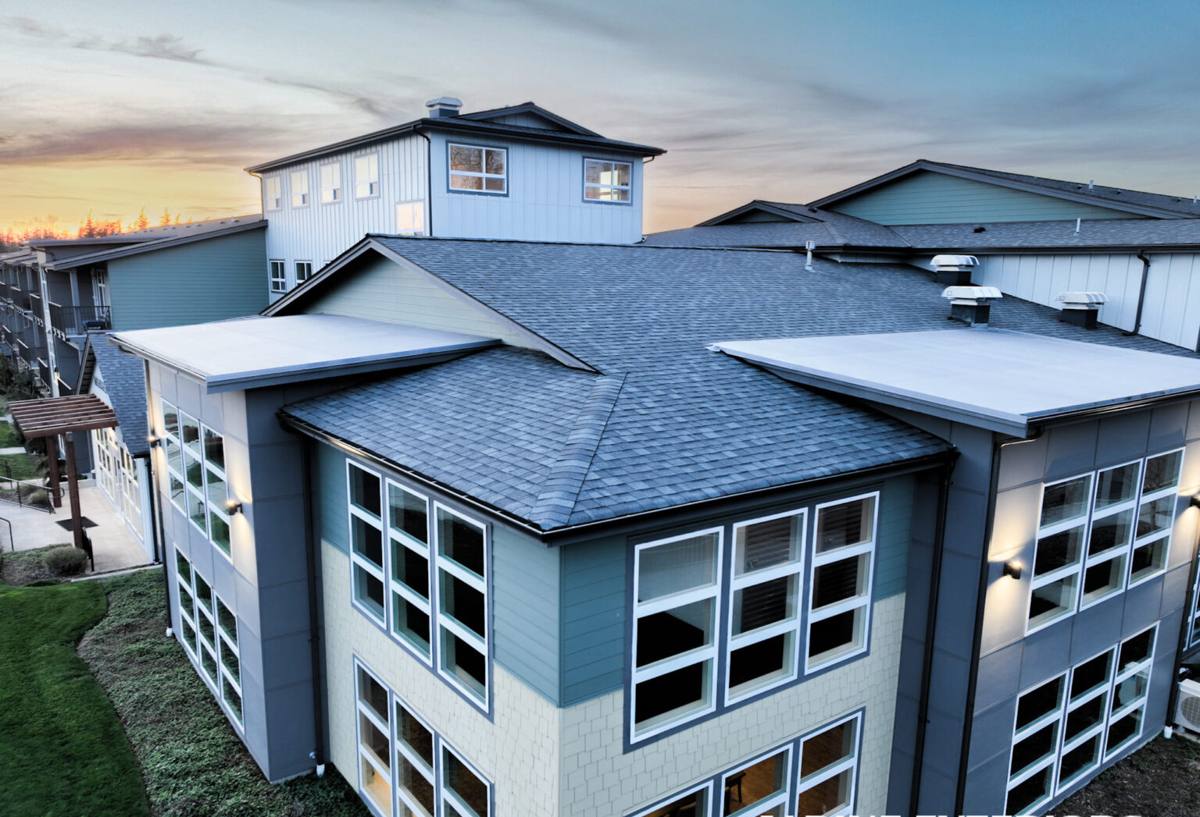
The Repair Issues We See Most Often on Belleair Beach Homes
Every siding material fails in its own way, but on this stretch of coastline the patterns are pretty consistent:
- Cracked or split panels from wind flex, impact, or age-related brittleness in older material
- Popped or backed-out fasteners where repeated wind loading has worked nails or screws loose over time
- Open or failed caulking and sealant joints at trim, corners, and penetrations, which is one of the most common entry points for wind-driven rain
- Buckling or warping, especially on siding that wasn't installed with proper expansion clearance
- Fading, chalking, or coating breakdown from constant UV and salt exposure
- Soft spots or visible staining that usually mean moisture has already gotten behind the siding
The last two items on that list are the ones we take most seriously. Cosmetic fading is an appearance issue. Soft spots and staining are a sign the water management behind the siding has already failed somewhere, and the repair needs to address the cause, not just the symptom.
What a Correct Siding Repair Actually Involves
Diagnosing What's Behind the Panel
A repair that only addresses what's visible from the street is a repair that will fail again. Before we touch a damaged section, we check what's happening behind it — whether the house wrap or weather-resistant barrier is intact, whether flashing at windows, doors, and penetrations is doing its job, and whether there's any sign of moisture having already reached the sheathing. On a barrier island, skipping this step is how a small repair turns into a much bigger problem eighteen months later.
Matching Material, Not Just Color
Siding repair almost always means blending new material into an existing wall. That's straightforward when the original siding is still available and the profile hasn't changed manufacturers over the years — it gets harder when a product has been discontinued or reformulated, which happens more often with wood-based and lower-cost composite sidings than with a stable factory-finished fiber cement line. Matching board width, reveal, and texture matters just as much as matching color, or the repaired section will read as an obvious patch.
Fastening and Flashing to Coastal Standards
A repair section has to be fastened and flashed to the same wind-resistance standard as the rest of the wall, not just tacked back into place. That means correct fastener type and spacing for the material, corrosion-resistant hardware given the salt air, and flashing details that shed water outward rather than trapping it. This is where a lot of quick patch jobs fall short — they look fine for a season and then fail at the next significant wind event.
Repair or Replace? How We Help You Decide
Not every damaged section needs a full re-side, and we're not going to tell you it does. But repair only makes sense when the underlying wall assembly is sound and the damage is isolated. Here's how we generally weigh it:
| Factor | Favors Repair | Favors Replacement |
|---|---|---|
| Extent of damage | Isolated to one or two sections | Spread across multiple elevations |
| Moisture behind siding | None found during inspection | Present, or evidence of past intrusion |
| Age and condition of remaining siding | Still structurally sound, coating intact | Nearing end of service life, widespread fading or brittleness |
| Material availability | Matching product still obtainable | Discontinued profile or color, poor match likely |
| Cost over time | Lower upfront cost | Better long-term value if repairs would be recurring |
If we open a wall for repair and find rot, saturated sheathing, or signs the water intrusion has been ongoing, we'll tell you honestly — patching over that would just hide a problem that's going to keep spreading.
Our Belleair Beach Siding Repair Process
- On-site inspection of the damaged area and a check of surrounding sections for related wear
- Assessment of the wall assembly behind the siding — house wrap, flashing, and sheathing condition
- Honest recommendation: targeted repair, or an explanation of why replacement is the better call
- Material sourcing and, where relevant, color and profile matching against your existing siding
- Removal of damaged material and correction of any underlying moisture or flashing issue found
- Installation of new material with fastening and sealant work suited to coastal wind exposure
- Final walkthrough and cleanup before we consider the job done
Where James Hardie Fits Into a Repair Decision
We install and repair James Hardie fiber cement siding exclusively — we don't install vinyl, LP SmartSide, Cemplank, Allura, or unprimed wood siding, and we won't pretend those products don't exist or that they don't have their place. What we will say is that on a barrier island like Belleair Beach, the material's real-world behavior under salt, UV, and wind matters more than almost anywhere else, and it's why we standardized on Hardie.
If your home already has James Hardie siding, repairs are usually straightforward: the ColorPlus factory finish is engineered for UV and coastal exposure, and matching an existing HZ5 product line panel is far more predictable than trying to match a wood-based or vinyl product that may have faded unevenly or been discontinued. If your home has a different siding material and it's showing repeated, recurring damage from coastal exposure, we'll walk you through what we're seeing and, when it's the honest recommendation, explain why replacing with James Hardie tends to hold up better here than what you have now — not because the existing product is worthless, but because of how it specifically handles moisture, UV, and wind fatigue over a coastal barrier island lifespan.
Why It Matters to Hire a Crew That Already Works This Barrier Island
Belleair Beach isn't a large market, and that's exactly why local experience matters. A crew that regularly works this island already understands the exposure conditions specific to homes here — how close to the water a house sits, how salt spray behaves differently on the Gulf side versus the Intracoastal side, and what kind of wear pattern to expect on a given elevation. That translates directly into a faster, more accurate diagnosis instead of a generic assessment written for an inland home.
There's also a practical logistics side to it. Barrier island access, narrow streets, and limited staging space all affect how a repair job gets scheduled and executed. A contractor who already routes work through this area day-to-day isn't learning those constraints on your job — they already know them, which means fewer surprises and a smoother project from estimate to completion.
Signs Your Siding Needs Attention Now
- Visible cracks, splits, or holes in any panel
- Nails or fasteners that have backed out or are visibly popped
- Caulking or sealant that's cracked, shrunk, or pulled away from joints
- Soft or spongy spots when you press on the siding
- Staining, streaking, or discoloration that wasn't there before
- Panels that flex, rattle, or shift in strong wind
- Any interior sign of moisture — musty smell, staining, or soft drywall near an exterior wall
If you're seeing any of these on your Belleair Beach home, the sooner it's looked at, the more likely it stays a repair instead of becoming a bigger project. We're happy to come take a look, tell you honestly what we find, and put together a free, no-pressure estimate — whether that ends up being a targeted repair or something more.