 Largo Siding
 Why Siding Fails Faster on a Barrier Island Like Treasure Island
Treasure Island sits out on the Gulf side of Pinellas County, and that location changes the math on exterior materials. Homes here aren't just dealing with Florida heat and rain like an inland property a few miles east — they're taking on salt-laden air around the clock, stronger sustained winds because there's no tree line or terrain to slow anything down, and direct UV exposure that isn't filtered by much of anything between the house and the Gulf. Add wind-driven rain during summer storms and tropical systems, and you have a combination that finds every weak point in a siding system within a handful of years instead of a decade or two.
Salt air is the piece people underestimate most. It doesn't just sit on the surface — airborne salt works into seams, fastener heads, and any place moisture already wants to collect. On siding materials that aren't built to handle sustained moisture cycling, that means swelling, soft spots, and finish breakdown well ahead of schedule. On a barrier island, this isn't an occasional issue during a bad storm season — it's a constant, low-grade stress the siding is under every single day of the year.
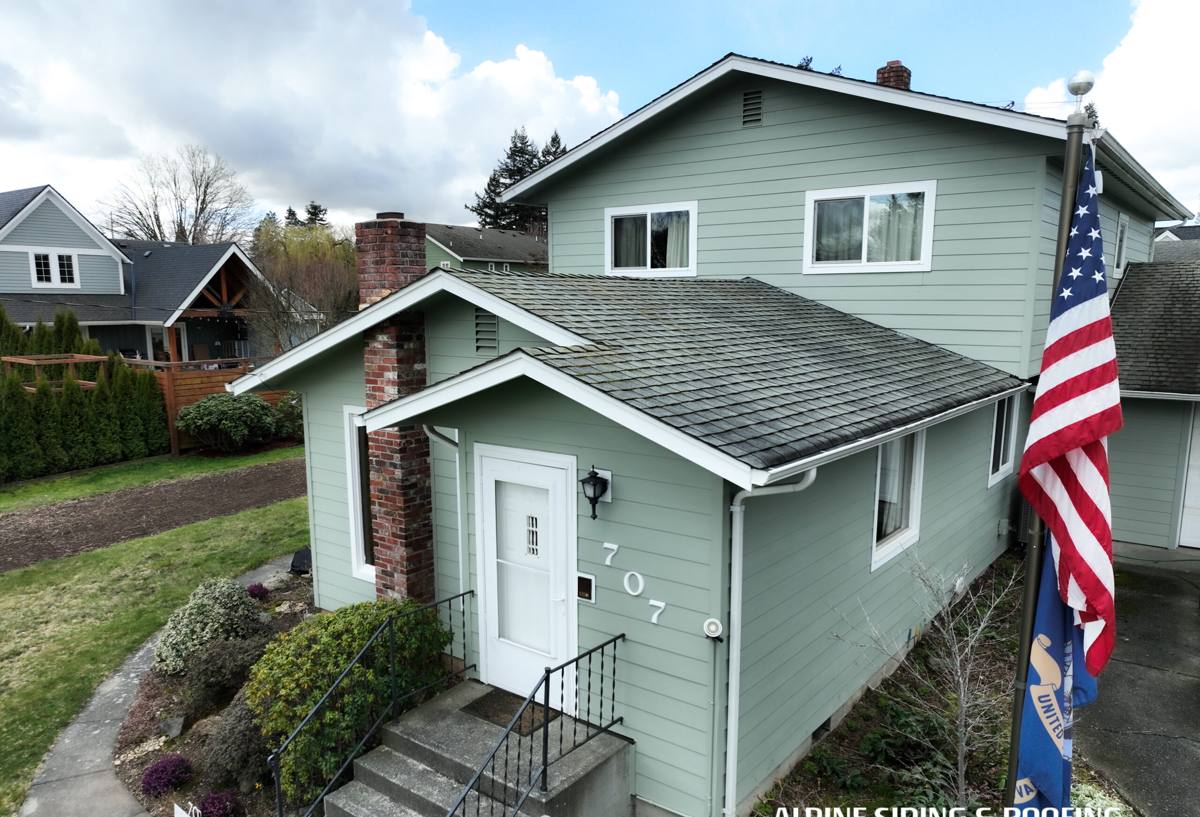
Signs a Treasure Island Home Needs Siding Replacement, Not Another Patch
Because of the local conditions, we see certain warning signs on Treasure Island homes more often and earlier than we would inland. Homeowners often try to spot-repair these issues for a season or two before realizing the underlying material has already given up.
- Soft, spongy, or crumbling siding when pressed near the bottom edges or around window and door trim
- Visible swelling, bubbling, or delamination, especially on the sides of the house facing the Gulf or prevailing wind
- Paint or finish that's chalking, peeling, or fading noticeably faster than the rest of the neighborhood
- Gaps opening up at seams, corners, or where siding meets trim, soffit, or flashing
- A musty smell along exterior walls or staining on interior drywall near exterior corners — a sign moisture has already gotten past the cladding
- Visible rust streaking from fasteners, which usually means the fastener itself is failing, not just cosmetic
Any one of these on its own might be a repair. Several together, especially on a home that's 15-plus years old, usually means the siding system as a whole has reached the end of its useful life and a full replacement is the more honest recommendation than another round of caulk and touch-up paint.
Why We Only Install James Hardie Fiber Cement on Homes Like These
We've made a deliberate decision as a company to install James Hardie fiber cement siding exclusively — not vinyl, not LP SmartSide, not primed wood, not other fiber cement brands. On a barrier island property, this isn't a marketing preference, it's a practical one. Fiber cement is non-combustible, dimensionally stable in humidity swings, and doesn't rely on a moisture-sensitive wood substrate the way engineered wood products do. Hardie's HZ5 product line in particular is engineered for exactly the climate conditions Treasure Island sits in: high humidity, wind-driven rain, and temperature swings between blazing afternoon sun and cooler Gulf breezes.
The factory-applied ColorPlus finish matters here more than it would on an inland home. Because UV exposure on the island is relentless and salt air accelerates finish breakdown, a finish that's baked on at the factory under controlled conditions holds color and resists fading far longer than a field-applied paint job ever will. That's not a small detail — it's the difference between repainting in 6-8 years versus 15 or more.
We won't pretend other products don't have their place elsewhere. Vinyl is inexpensive and easy to install; LP SmartSide performs reasonably well in drier, more sheltered climates. But on a Gulf-facing barrier island, the trade-offs those products carry — vinyl's tendency to warp or crack under sustained UV and wind load, engineered wood's vulnerability if moisture ever gets behind it — are trade-offs we're not willing to put on a home in this specific environment. Fiber cement's added weight and density is exactly what stands up to salt, wind, and sun over the long run.
What a Correct Installation Actually Involves
Moisture Management Behind the Siding
Siding is only as good as what's behind it. On a barrier island home, we pay particular attention to the water-resistive barrier and flashing details around every window, door, and penetration. Wind-driven rain doesn't fall straight down here — it comes in sideways during storms — so any gap in the drainage plane becomes an entry point. Correct installation means a continuous, properly lapped barrier with flashing integrated at every transition, not just siding nailed over whatever was there before.
Fastening for Wind Load
Florida's building code sets minimum wind-load requirements based on location, and coastal Pinellas County properties are held to a higher standard than inland ones. That means correct fastener spacing, fastener type, and embedment depth aren't optional details — they're what keeps siding attached during a real wind event instead of becoming debris. We follow Hardie's published fastening schedules for the wind zone the home sits in, not a generic one-size-fits-all approach.
Clearances and Drainage
Fiber cement siding needs proper clearance from grade, roofing, decking, and other hard surfaces so water has somewhere to go and the bottom edge of the siding never sits in standing moisture. On island lots where elevation and drainage patterns vary from house to house, this is one of the most common details we find neglected on prior installations — and one of the first things that leads to premature failure at the base of the wall.
Our Replacement Process
- On-site assessment: We inspect the existing siding, sheathing, and any areas showing moisture intrusion before quoting anything, since hidden damage changes scope.
- Tear-off and substrate check: Old siding comes off and we inspect the sheathing underneath for rot or soft spots — this is where problems that weren't visible from outside often surface.
- Repair as needed: Any compromised sheathing or framing gets addressed before new siding goes up. Installing over a damaged substrate just hides the problem.
- Weather barrier and flashing: A new water-resistive barrier and flashing system is installed at all windows, doors, and penetrations.
- Hardie installation to spec: Siding is installed following the wind-zone fastening schedule and manufacturer clearances, not shortcuts.
- Trim, caulking, and finish detail: Joints, corners, and transitions are finished so the whole system sheds water as designed.
- Final walkthrough: We go over the finished work with the homeowner before calling the job complete.
What Drives the Cost of a Siding Replacement Here
Every home is different, so we don't quote off square footage alone. The table below covers the main factors that move a Treasure Island siding replacement up or down in scope and cost.
| Factor | Why It Matters |
|---|---|
| Extent of substrate damage | Rotted sheathing or framing found during tear-off adds repair scope beyond the siding itself |
| Home elevation and access | Stilt or elevated homes common on the island can mean more scaffolding and labor time |
| Wind-zone fastening requirements | Higher wind zones require tighter fastener spacing, which affects install time |
| Trim and architectural detail | Corners, soffit returns, and decorative trim add labor beyond flat wall runs |
| Siding profile and color selection | Some Hardie profiles and ColorPlus finishes carry different material costs |
| Existing exterior condition | Homes needing more extensive removal or disposal of old material take longer to prep |
We walk every property in person before quoting so the number reflects what's actually there, not a generic estimate that changes once we start tearing into the wall.
Why a Crew That Already Works This Island Matters
Treasure Island isn't a typical inland job site. Homes here often sit on pilings or elevated foundations, lots can be tight, and every property has some combination of Gulf exposure, Intracoastal exposure, or close-quarters neighbors to work around. A crew that's already done siding work on the island knows how to stage material, protect landscaping and neighboring properties, and plan around the wind and weather patterns that are different from a job five miles inland in Largo proper.
There's also a permitting and code side to this. Pinellas County's coastal construction requirements, wind-load standards, and in some cases flood-zone considerations apply to exterior work on barrier island homes. A contractor who regularly pulls permits and passes inspection in this specific area moves through that process without surprises. One who doesn't may run into delays or, worse, install to a standard that doesn't actually meet what the home requires.
Maintenance and Longevity Once the New Siding Is Up
Fiber cement is genuinely low-maintenance compared to the alternatives, but "low-maintenance" doesn't mean "no maintenance," especially in a salt-air environment. We recommend a simple annual routine for Treasure Island homeowners:
- Rinse the exterior with a garden hose a few times a year to clear salt residue, especially after dry stretches with little rain
- Inspect caulking at trim, windows, and doors annually and recaulk any joints that have cracked or pulled away
- Keep sprinklers and irrigation from spraying directly on siding, which concentrates moisture and mineral buildup in one spot
- Watch gutters and downspouts for clogs that can send water running down a wall it wasn't designed to handle
- Have any impact damage after a storm inspected promptly rather than waiting for the next season
Done consistently, this kind of upkeep is what lets a correctly installed Hardie system deliver on its long service life even in a demanding coastal environment, and it's a fraction of the effort that other siding materials demand out here.
Getting an Honest Look at Your Home
If your Treasure Island home is showing any of the warning signs above, or you're simply planning ahead for a property exposed to constant Gulf salt air and sun, we're happy to come take a look. We'll give you a straight assessment of what condition your current siding is in, what a correct replacement would involve for your specific home, and a real cost estimate — no pressure, no inflated scare tactics. Use the form below to request a free estimate.