 Largo Siding
 Madeira Beach Sits in a Tougher Climate Than Most of Pinellas County
Madeira Beach is a barrier island, and that single fact changes what siding has to survive here compared to a home a few miles inland in Largo. Being surrounded by the Gulf and the Intracoastal means near-constant salt air, higher average humidity, and direct exposure to whatever wind and rain comes off the water with nothing to break it up first. Homes here take a harder beating year over year than homes set back from the coast, even within the same county and the same general hurricane risk zone.
Salt Air Doesn't Skip a Season
Salt-laden moisture in the air works on exterior materials every single day, not just during storms. It accelerates corrosion on fasteners and trim metal, and it degrades paint films and cheaper composite sidings faster than the same products would wear in a drier, less coastal setting. Siding on a barrier island needs to be chosen and installed with that constant low-grade exposure in mind, not just the occasional named storm.
Wind-Driven Rain Finds Every Gap
Pinellas County as a whole deals with wind-driven rain during tropical systems and summer squalls, but Madeira Beach gets it with less buffering. Rain doesn't just fall here — it's pushed sideways into wall assemblies under pressure. That means the water-resistive barrier, flashing details, and seams behind the siding matter as much as the siding material itself. A beautiful new exterior over a poorly detailed water management system will still let moisture into the wall.
UV and Heat Never Really Let Up
Florida's intense, nearly year-round sun bleaches color and breaks down inferior coatings faster than most homeowners expect. On a barrier island with reflected light and heat off open water and sand, that UV load is even more consistent. Siding that isn't factory-finished to hold color tends to show fading, chalking, and touch-up patchwork within a few years.
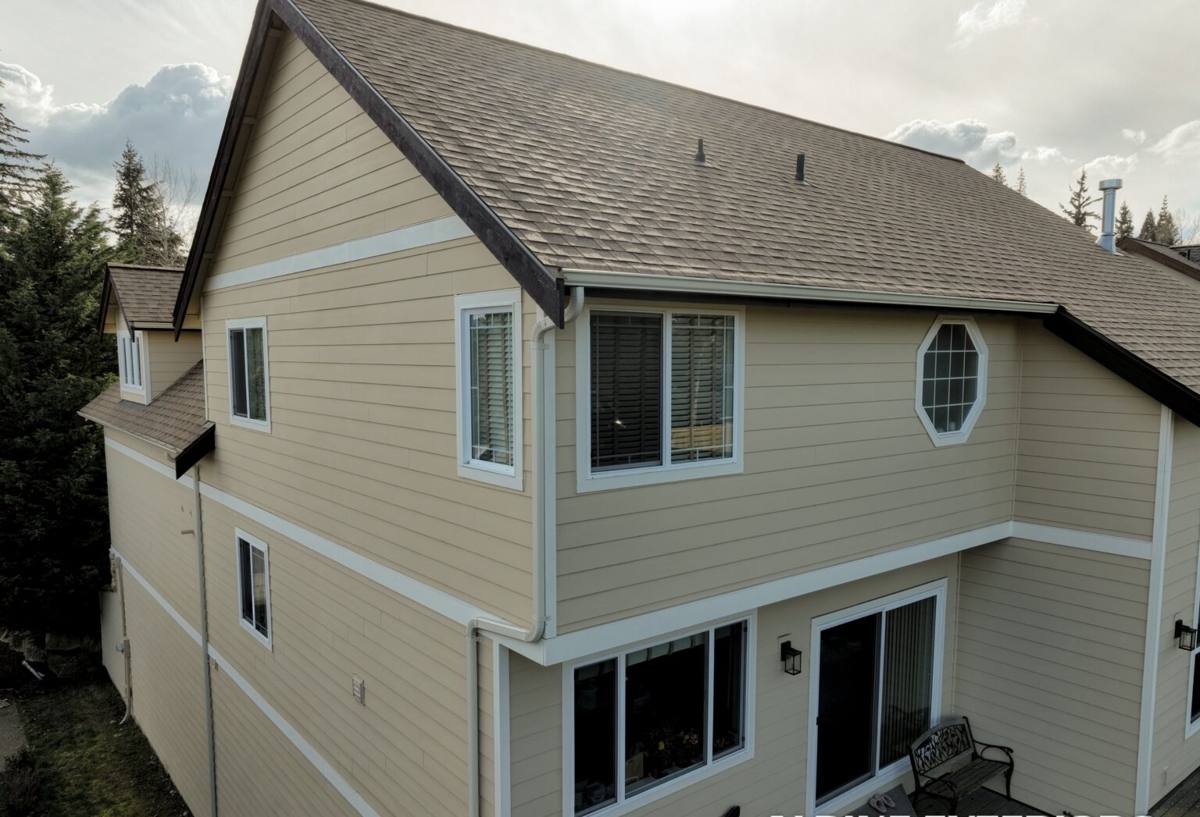
What Actually Happens During a Siding Replacement
Siding replacement is not just stripping off old material and nailing up new boards. Done correctly, it's an opportunity to fix problems that are hidden behind the current siding and to rebuild the wall's defense against water and wind from the ground up.
Tear-Off and Sheathing Inspection
Once the old siding comes off, the sheathing underneath gets inspected for rot, delamination, or soft spots — common findings on older coastal homes where moisture has been getting behind the cladding for years without being obvious from outside. Any compromised sheathing gets replaced before anything new goes up. Skipping this step is the single most common shortcut that leads to problems a few years down the road.
Weather-Resistive Barrier and Flashing
A new weather-resistive barrier goes on over the sheathing, with flashing integrated at every window, door, and penetration so water is directed out and down instead of finding its way inward. On a barrier island home, this layer is doing more work than it would inland, so the detailing around openings and at butt joints matters more here than almost anywhere else in the county.
Fastening and Wind Resistance
Fastener type, spacing, and embedment all have to match the wind exposure the home actually faces, not just a generic minimum. Homes near open water typically need tighter fastening schedules and corrosion-resistant fasteners to hold up over time. This is engineering-level detail, not a place to eyeball it.
Why We Install Only James Hardie Fiber Cement
We standardized on James Hardie fiber cement siding because it's built for exactly the conditions Madeira Beach throws at a house. It's non-combustible, it doesn't rot or absorb water the way wood-based products can, and its ColorPlus factory finish is engineered to resist fading and coastal UV far longer than field-applied paint. Hardie also offers HZ product lines specifically engineered for high-humidity, high-moisture climate zones like ours, which matters more here than in a drier part of the country.
| Factor | James Hardie Fiber Cement | Vinyl / Wood-Based Alternatives |
|---|---|---|
| Salt air and coastal moisture | Engineered HZ lines built for humid, coastal climates | More prone to warping, swelling, or corrosion-driven wear over time |
| UV and color retention | Factory-baked ColorPlus finish resists fading | Field-applied paint or molded color typically fades and chalks sooner |
| Fire exposure | Non-combustible fiber cement | Combustible in varying degrees depending on material |
| Long-term maintenance | Occasional cleaning; caulking/paint touch-up if trim is painted separately | More frequent repainting, patching, or panel replacement |
We're honest that this is our professional standard, not a claim that every other product is unusable everywhere. But given what this specific stretch of coastline does to exterior materials, we don't think it makes sense to put our name on anything else.
How We Handle a Madeira Beach Project
We're based out of Largo, and Madeira Beach is one of the barrier island communities we work regularly, which changes how we plan a job here compared to a mainland property.
Access and Logistics
Barrier island streets are often narrower, lot lines are tighter, and parking for a crew and material staging takes more planning than it would on a typical Largo mainland lot. Many Madeira Beach properties are also part of condo associations or have deed restrictions that affect exterior color choices, work hours, or contractor insurance requirements — we sort that out with the homeowner or association before work starts, not after.
Permitting and Wind Requirements
Siding replacement on the island falls under local building department review, and homes in coastal high-hazard and flood zones can carry additional wind and moisture-barrier requirements beyond what an inland Largo property needs. We pull the correct permits and build to the wind rating the home actually requires, not a generic standard.
Weather-Aware Scheduling
Because a torn-off wall is vulnerable until the new water-resistive barrier and siding are back on, we watch the forecast closely and sequence a coastal job to minimize how long any section of wall sits exposed, especially during summer storm season.
What Drives the Cost of a Siding Replacement Here
| Cost Factor | Why It Matters on a Barrier Island Home |
|---|---|
| Sheathing condition | Hidden rot or moisture damage found during tear-off adds repair work before new siding can go on |
| Home size and wall complexity | More corners, dormers, and trim details mean more labor and material waste |
| Fastening and wind detailing | Homes with higher wind exposure often need tighter fastener schedules and corrosion-resistant hardware |
| Access and staging | Tight lots, elevated homes, and limited parking can slow crew logistics |
| Siding profile and color | Different HardiePlank, HardieShingle, and trim combinations carry different material costs |
We don't quote a job without walking it first — every one of these factors changes from house to house, and a fair estimate has to account for the actual condition behind the old siding, not just square footage.
Living With New Siding on a Barrier Island
- Rinse salt residue off the siding periodically with a garden hose, especially on sides facing open water
- Keep gutters and downspouts clear so water drains away from the wall assembly instead of pooling near the base
- Watch caulking around windows and trim joints and have gaps resealed before they let water behind the siding
- Trim back vegetation and irrigation spray that keeps siding constantly damp
- Have the exterior looked at after any major storm, even if nothing looks obviously wrong from the ground
What to Ask Before Hiring for This Kind of Work
- Has the contractor actually worked on Madeira Beach or other barrier island properties, not just mainland Largo homes?
- Will they pull the correct local permits and build to the wind zone the home is actually rated for?
- Do they inspect and address sheathing condition before installing new siding, or just cover over what's there?
- What water-resistive barrier and flashing details do they use at windows, doors, and penetrations?
- What warranty backs both the material and the labor, and is it transferable if the home sells?
Warranty Expectations
James Hardie backs its fiber cement products with a strong manufacturer warranty, and ColorPlus finishes carry their own separate finish warranty against fading and peeling. On top of that, installation quality is what actually determines whether a warranty claim is ever needed in the first place — a correctly flashed, correctly fastened install on a barrier island home should perform for decades with normal upkeep.
Get a Straight Answer on Your Home
If you're weighing a siding replacement on a Madeira Beach property, we're happy to take a look, walk you through what your specific home needs given its exposure and condition, and give you a clear, no-pressure estimate — no invented urgency, just an honest read on what the job actually involves. Use the form below to get started.