 Largo Siding
 Why Indian Rocks Beach Siding Wears Differently
Indian Rocks Beach sits right on the Gulf of Mexico, just a short drive from the rest of Largo, and that stretch of barrier island lives under a different set of conditions than homes a few miles inland. Salt-laden air moves across these properties every day, hurricane-force winds and wind-driven rain arrive with every tropical system that tracks through Pinellas County, and the sun here is intense and constant, year-round, not seasonal. Siding on a house two blocks from the water can show wear years before the same product would fail on a home in central Largo.
That doesn't mean Indian Rocks Beach siding is doomed to fail early. It means repairs have to account for what's actually causing the damage, not just patch the visible symptom. A crack, a soft spot, or a stained seam on a beachfront or Intracoastal-facing home is often a sign of moisture and salt exposure working on the material from multiple directions at once — sun from above, humidity from the air, and driving rain forced sideways by wind. Repairing that correctly takes a different level of attention than a quick patch job.
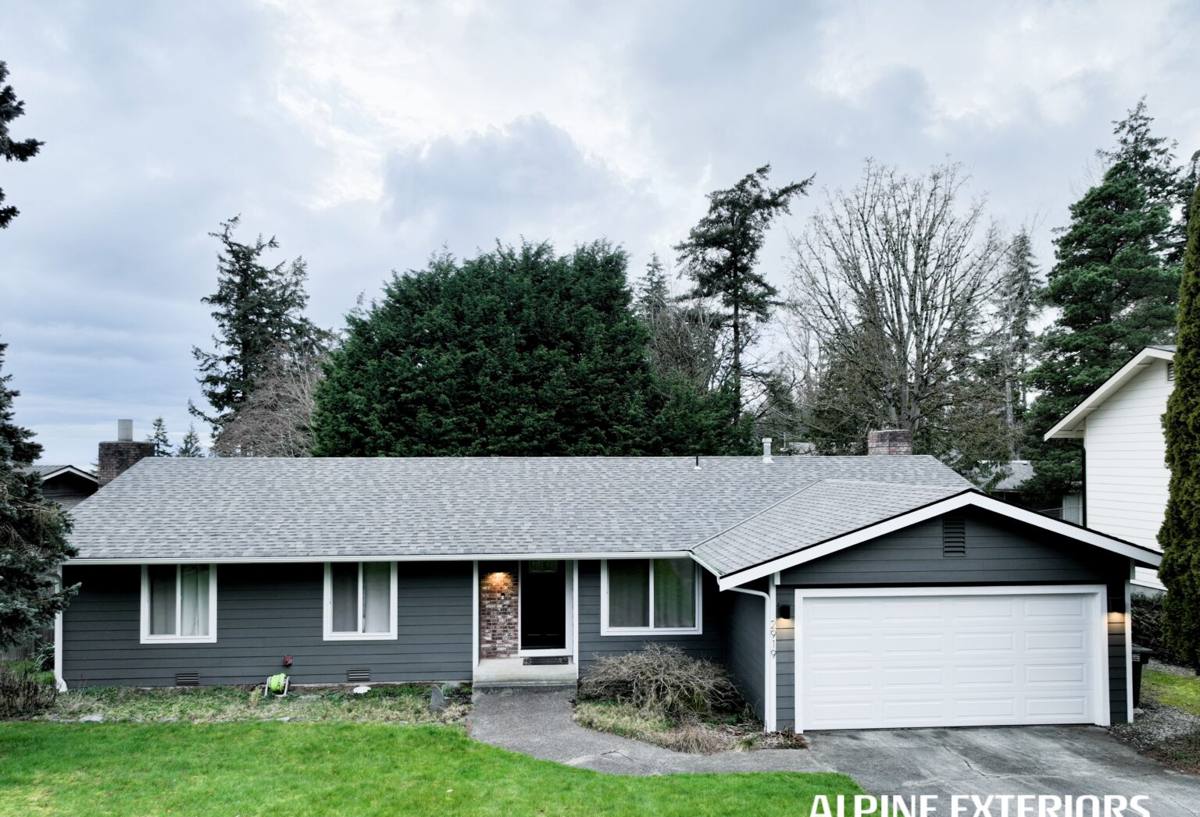
Signs Your Siding Needs Repair
Some damage is obvious. Some isn't visible until you know what to look for. On coastal homes, we typically find a mix of both.
Cosmetic Warning Signs
- Paint that's peeling, chalking, or fading unevenly, especially on the sides of the house that face the water or take the most afternoon sun
- Nail pops or fasteners backing out of the surface
- Streaking or discoloration at horizontal seams and around window and door trim
Structural Warning Signs
- Boards that are cracked, buckled, or visibly bowing away from the wall
- Soft or spongy spots when you press on the siding, particularly near the ground or around penetrations like hose bibs and vents
- Gaps opening up at trim boards, corners, or where siding meets windows and doors
- Musty smells or visible mold/mildew growth concentrated in one area rather than spread evenly
The cosmetic issues are worth fixing for appearance and to stop them from getting worse. The structural ones mean moisture is already past the surface, and that's where a repair has to go deeper than caulk and paint.
What a Correct Repair Actually Involves
A siding repair that only addresses what you can see from the driveway is a repair that fails again in a year or two. On a coastal property, we treat every repair call as an inspection first and a patch job second.
That means checking moisture levels in the material around the damaged area, not just at the spot that looks bad — problems usually extend further than the visible crack or stain. It means pulling back the damaged section far enough to look at the house wrap and flashing underneath, since a lot of "siding failure" is actually a flashing or sealant failure that let water behind the siding in the first place. And it means matching the replacement material, fastening pattern, and finish closely enough that the repair doesn't stand out or create a new weak point at the seam.
Skipping any of those steps is how homeowners end up paying for the same repair twice.
Repair or Replace? How We Help You Decide
Not every damaged section needs a full re-side, and not every problem area should just be patched. The right call depends on a few honest factors, and we'll walk through them with you before recommending either direction.
| Factor | Points Toward Repair | Points Toward Replacement |
|---|---|---|
| Extent of damage | Isolated to one or two sections or elevations | Spread across multiple walls or recurring in the same spots |
| Age of existing siding | Relatively new, damage is from an isolated event (storm impact, accidental damage) | Near or past expected service life for the material |
| Moisture readings behind siding | Localized, contained to the repair area | Elevated readings in multiple areas, suggesting a systemic moisture path |
| Repair history | First repair call for this issue | Second or third repair to the same area in recent years |
| Material match availability | Existing product and color can still be matched closely | Product discontinued or so weathered a patch will visibly mismatch |
When a home is in that "points toward replacement" column across the board, we'll say so directly rather than billing for a repair we don't expect to hold.
Why the Siding Material Behind the Repair Matters
We install James Hardie fiber cement siding exclusively — we don't install vinyl, LP SmartSide, or wood siding, and that shapes how we approach repairs, too. If your home already has Hardie siding, repairs are straightforward: it's a non-combustible, engineered material with factory-baked ColorPlus finishes, and matched replacement boards hold up the same way the original installation does against salt air and sun.
If your home currently has vinyl, wood, or another fiber cement product, we'll still repair it honestly and to a proper standard — a homeowner shouldn't be stuck without options because of our product preference. But we'll also tell you plainly what we see with that material in this environment: vinyl can warp and fade under sustained coastal sun and doesn't take impact damage well; wood siding demands more frequent painting and sealing to keep salt-driven moisture out; other fiber cement lines don't all carry the same engineered moisture and impact performance or the same transferable warranty structure Hardie's HZ5 coastal-rated products do. None of that is a knock on those products in general — it's why, when a home reaches the point of needing extensive repair or a full re-side, we recommend moving to Hardie rather than reinvesting in a system we don't stand behind as our own standard.
Our Indian Rocks Beach Repair Process
- On-site inspection. We look at the damaged area and the surrounding sections, not just the spot you called about.
- Moisture and substrate check. We test for moisture behind the siding and, where needed, open up a section to check the house wrap and flashing.
- Honest recommendation. We tell you whether a targeted repair will hold, and for how long, or whether a larger section needs attention.
- Material sourcing and matching. For Hardie siding, we match the profile, texture, and ColorPlus finish as closely as current product lines allow.
- The repair itself. Damaged material comes out, any underlying flashing or wrap issues get corrected, new material goes in fastened to spec.
- Finish work. Caulking, touch-up paint where applicable, and a final check that the seam lines and trim look right, not just functional.
- Cleanup and walkthrough. We clear debris and walk the repair with you before we consider the job done.
Timing, Access, and Coastal Considerations
Indian Rocks Beach properties come with a few practical realities that shape scheduling. Lots are often narrow, streets can be tight, and many homes are built elevated on pilings or with flood-zone-compliant lower levels, which changes how we stage equipment and access upper elevations. We also keep an eye on the calendar during hurricane season — storm-damaged siding gets prioritized, and where possible we schedule non-emergency repairs around forecasted weather rather than in the middle of it.
Because we already work across Largo and the surrounding Pinellas County coastline, we're not learning these logistics for the first time on your job. That familiarity translates into fewer surprises and a more accurate timeline from the first estimate.
Why Hiring a Crew That Already Works in Indian Rocks Beach Matters
Siding repair looks different on a barrier island than it does five miles inland, and a crew that mostly works inland neighborhoods won't automatically know what to check for. We've seen how salt air concentrates around ground-level fasteners and trim, how wind-driven rain finds gaps that wouldn't be a problem on a more sheltered lot, and how sun exposure on water-facing elevations ages a finish faster than the same product on a shaded wall. That local pattern recognition is part of what keeps a repair from becoming a recurring service call.
It also matters for response time. After a named storm moves through, homes closest to the Gulf are usually the first to need attention, and a crew that already has a presence in the area can typically get to an assessment faster than one dispatching from farther away.
After the Repair: Keeping Your Siding in Good Shape
A good repair buys you time, but coastal conditions don't let up once the work is done. A few habits go a long way toward protecting the investment:
- Rinse salt buildup off siding periodically, especially on elevations facing the water
- Check caulking at trim, windows, and seams once a year and touch it up before it fails completely
- Inspect siding after every significant storm, even if nothing looks obviously wrong from the ground
- Keep gutters and downspouts clear so water isn't overflowing onto siding below
- Trim back vegetation and irrigation spray that keeps sections of siding consistently damp
If you're dealing with damaged, aging, or storm-affected siding on an Indian Rocks Beach or Largo property, we're happy to take a look and give you a straight answer about what it needs. Fill out the form below for a free, no-pressure estimate.