 Largo Siding
 Board & Batten Siding for Belleair Homes
Belleair sits close to the water in Pinellas County, which means its homes deal with a version of Florida weather that's a step harder on exterior materials than the state average. Salt air drifts in off the Intracoastal and Gulf, mature tree canopy keeps parts of the neighborhood shaded and damp longer after a storm, and the same hurricane-season winds and driving rain that test every home in the county hit waterfront-adjacent properties first. Board and batten siding has a strong following here because of the look it gives older Florida homes and newer builds alike — a clean, vertical, tailored profile that reads as more custom than standard horizontal lap. We install it in James Hardie fiber cement only, and this page walks through what that actually means for a Belleair home.
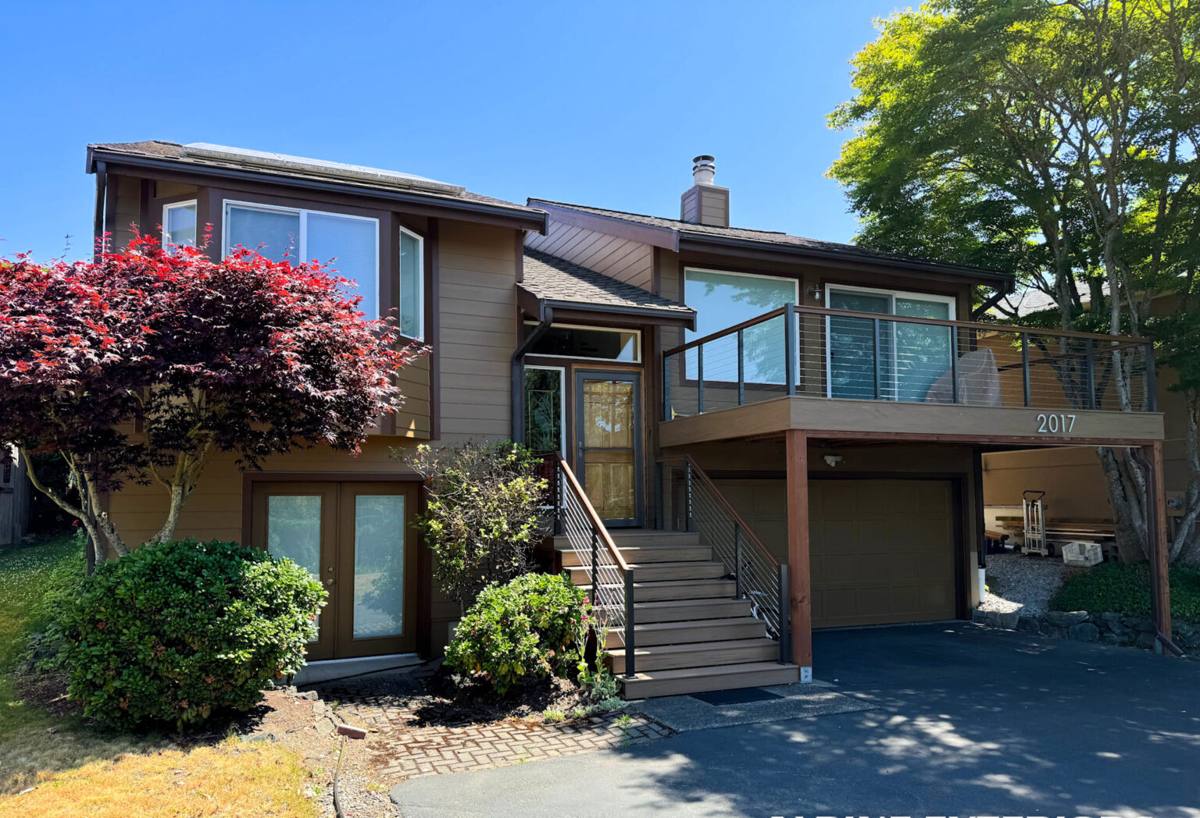
What This Climate Does to Vertical Siding
Vertical siding systems have more seams and more places for water to find a way in than a straight lap profile does, which makes the material choice and the install detailing matter more, not less. In Belleair, three things work against a siding system over time:
- Wind: Hurricane-force gusts put direct load on fasteners and panel edges, and loose or under-fastened battens are usually the first thing to fail in a storm.
- UV: Year-round sun bleaches and breaks down face-mounted materials that aren't engineered for it, especially at south- and west-facing elevations.
- Wind-driven rain and salt air: Rain doesn't just fall here, it gets pushed sideways into vertical seams, and the salt content in coastal air accelerates corrosion on fasteners and trim that aren't rated for it.
None of that means board and batten is a bad choice for a Belleair home. It means the material and the installer both have to be built for this specific exposure, not a generic version of Florida.
Why We Only Install James Hardie for This Look
Board and batten can be built from vinyl, engineered wood like LP SmartSide, or fiber cement. We standardized on James Hardie because it's the one option that holds up to the combination of UV, moisture, and wind Belleair actually sees without asking the homeowner to babysit it. Fiber cement is non-combustible, doesn't rely on a paint film alone to keep water out, and is engineered specifically for high-humidity, coastal climates in Hardie's HZ5 product formulation for our zone. The factory-applied ColorPlus finish is baked on and warrantied against fading, which matters directly on the west- and south-facing walls that get the most sun in this part of Florida.
For a board and batten look specifically, that means either HardiePanel vertical siding installed with vertical battens over the seams, or a Hardie board and batten plank system depending on the reveal and shadow line the home calls for. Either way, it's still fiber cement doing the water management, with the battens adding the architectural detail on top.
What Homeowners Should Know Before They Compare Materials
It's worth being direct about why we don't install the alternatives on Belleair homes:
- Vinyl board and batten is lightweight and can look the part from the street, but it flexes in high wind, can distort under sustained heat, and the panels themselves aren't rated to hold up to hurricane-force gusts the way a mechanically fastened fiber cement system is.
- LP SmartSide and other engineered wood products perform reasonably well inland, but wood-based cores are more sensitive to moisture intrusion than fiber cement, and a coastal, high-humidity environment is the least forgiving place to find out an installer cut a corner on flashing.
- Primed spruce or cedar board and batten can look beautiful the day it goes up, but real wood in a salt-air climate needs a maintenance schedule most homeowners don't want to keep, and skipping it shows up fast in the form of rot, cupping, or paint failure.
Each of those products has a legitimate use case somewhere. We just don't think any of them is the right long-term answer on a home a few miles from open water in Pinellas County, which is why we standardized on Hardie and don't install the alternatives.
What a Correct Board & Batten Installation Involves
Board and batten fails from bad water management long before it fails from bad material, and vertical seams give water more opportunities to get behind the siding than horizontal lap does. A correct installation includes:
The Water-Resistive Barrier and Drainage Plane
A continuous, properly lapped weather barrier goes on before any siding, with a drainage plane or rainscreen gap behind the panels so any moisture that does get past the face material can drain and dry out instead of sitting against the wall sheathing.
Flashing at Every Penetration
Windows, doors, hose bibs, light fixtures, and any other penetration need proper head flashing and kick-out flashing where walls meet rooflines. This is the single most common place we find shortcuts on Florida re-sides, and it's the detail that determines whether wind-driven rain stays out.
Fastening Built for Wind Load
Battens and panels need to be fastened per Hardie's engineering specs for our wind zone, with corrosion-resistant fasteners appropriate for coastal salt exposure, not whatever standard nail happens to be on the truck.
Joints, Seams, and Trim Details
Panel joints need to be backed and sealed correctly, batten spacing needs to stay consistent for both looks and water shedding, and trim at corners and transitions needs to be detailed to keep water moving down and away from the wall assembly.
Board & Batten Compared to Other Siding Approaches
| Factor | James Hardie Board & Batten | Vinyl Board & Batten | Wood / LP SmartSide |
|---|---|---|---|
| Wind performance | Engineered and rated for high-wind zones when fastened to spec | Can flex, warp, or blow off in sustained hurricane-force gusts | Depends heavily on install quality and fastener corrosion over time |
| Moisture behavior | Fiber cement core resists moisture intrusion; relies on correct flashing/drainage | Water-resistant face but seams and trim are weak points | Wood-based cores are more vulnerable to rot if moisture gets behind them |
| UV / fade resistance | Factory ColorPlus finish warrantied against fading | Can chalk, fade, or become brittle in constant sun | Paint film requires repainting on a maintenance cycle |
| Salt air / corrosion | Non-combustible, holds up well with corrosion-resistant fasteners | Material itself resists salt, but hardware and seams are a weak point | More exposure-sensitive; needs regular inspection and upkeep |
| Long-term maintenance | Low; mainly periodic caulk and inspection | Low, but limited repair options if damaged | Higher; repainting and moisture checks on a schedule |
Where Board & Batten Works Best on a Belleair Home
Board and batten doesn't have to cover an entire house to earn its place. In Belleair we see it used effectively as a full-elevation siding on newer coastal and farmhouse-style builds, and just as often as an accent on gables, dormers, entry porches, and second-story additions on older homes where the goal is texture and contrast against a lap-sided first floor. Either approach works structurally as long as the underlying water management is treated the same way — an "accent" section still needs full flashing and drainage detail, not a shortcut version because it's a smaller area.
Our Process for a Belleair Board & Batten Project
We keep the process the same whether it's a full re-side or a single accent wall:
- On-site assessment: we look at current siding condition, water intrusion history, wind exposure by elevation, and where board and batten will actually read well architecturally.
- Product and reveal selection: we walk through Hardie panel vs. plank options, batten spacing, and ColorPlus color choices based on the home's exposure and style.
- Written scope and estimate: a clear breakdown of what's included — tear-off, barrier and flashing work, material, and finish — before anything is scheduled.
- Prep and installation: removal of existing material, correction of any sheathing or moisture issues found underneath, weather barrier and flashing installation, then panel and batten installation to Hardie's fastening specs.
- Final walkthrough: we go over the finished work with the homeowner before calling the job done.
Why a Crew That Already Works in Belleair Matters
Coastal Pinellas County homes aren't a generic install. A crew that regularly works in and around Belleair already understands the wind exposure differences between an open waterfront lot and a tree-shaded interior street, knows how local building department expectations run for wind-rated exterior work, and has already made the judgment calls on flashing and drainage details that a crew new to the area is still learning. That local repetition is what keeps a board and batten install from becoming a callback a year later.
If you're weighing board and batten for a Belleair home, we're glad to take a look and walk through what it would actually involve for your specific house. Use the form below to request a free, no-pressure estimate.