 Largo Siding
 Belleair Bluffs sits in one of the more exposed pockets of Pinellas County — close enough to open water that salt air, wind-driven rain, and storm-force gusts are a regular part of the weather, not an occasional event. Siding on homes here works harder than siding almost anywhere inland, and it shows. If you've noticed chalking paint, soft spots near the bottom courses, or seams that have opened up over the years, that's not bad luck. That's what this climate does to siding that wasn't built or installed for it.
What This Climate Does to a House
Four things drive siding failure in this part of Florida, and Belleair Bluffs gets all four at once:
- Hurricane-force wind: Even homes that never take a direct hit see repeated high-wind events that flex panels, work loose fasteners, and stress every seam and joint over time.
- Intense, year-round UV: Florida sun degrades paint and surface coatings faster than almost anywhere else in the country. Cheaper finishes chalk, fade, and lose adhesion within a handful of years.
- Wind-driven rain: Storms here don't just fall straight down — wind pushes rain sideways and up under laps, trim, and penetrations. Siding that isn't detailed correctly lets water in, and once it's in, the wall assembly behind it suffers.
- Salt air: Even set back from the water, homes in this area are exposed to airborne salt that accelerates corrosion of fasteners, trim, and any material not rated for coastal exposure.
None of this means a house here is doomed to constant repairs. It means the material and the installation both have to be chosen for the job, not just for the lowest bid.
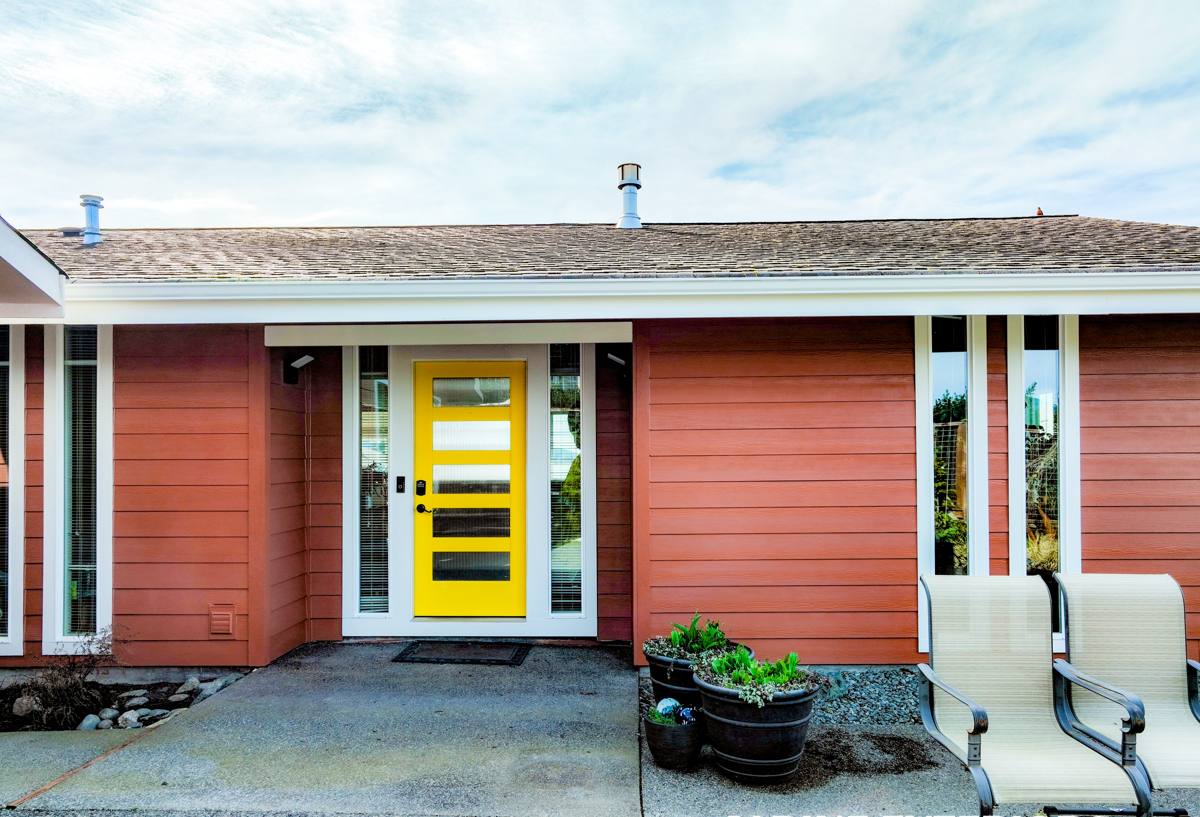
Why We Only Install James Hardie Fiber Cement
We install James Hardie fiber cement exclusively — not vinyl, not LP SmartSide, not primed wood, not other fiber cement brands. That's a deliberate standard, not a sales pitch, and it's worth explaining why.
Fiber cement as a category resists the four stressors above better than wood or vinyl. It's non-combustible, it doesn't warp or rot the way untreated wood can, and it holds paint and factory finishes far longer than vinyl's molded-in color, which fades and chalks under sustained Florida UV. Within fiber cement, we standardized on James Hardie specifically because of three things: the ColorPlus factory finish (baked-on, not field-applied, so it holds up to UV far better than site-painted siding), the HZ5 product line engineered for Florida's humidity and moisture cycles, and a warranty structure that's transferable and backed by a manufacturer with decades in this exact climate. We've seen enough coastal Florida jobs to know that the material matters less than whether it was engineered for this exposure — and Hardie's Florida-specific line was.
What a Correct Installation Actually Involves
Fiber cement siding is only as good as the installation behind it. In a high-wind, high-moisture area like Belleair Bluffs, a handful of details separate a job that lasts decades from one that fails in five years:
The Water Management Layer
Correct installation starts with a drainage plane — a weather-resistant barrier installed with proper overlaps and flashing at every window, door, and penetration — that gives any water that gets past the siding a way to drain out instead of sitting against the wall sheathing. This layer matters more here than in drier climates because wind-driven rain will find any gap.
Fastening for Wind Exposure
Fastener type, spacing, and placement all need to match the local wind exposure category, not a generic national minimum. Under-fastened or incorrectly placed nails are one of the most common causes of panel failure we see when we're asked to look at an existing installation.
Clearances and Caulking
Siding needs proper clearance from grade, roofing, decks, and other transitions so it isn't sitting in standing water or trapped moisture. Joints and seams need the right sealant applied correctly — sealant is a maintenance item, not a substitute for good flashing.
Factory-Finished Color
Because we use Hardie's ColorPlus finish, the color and protective topcoat are baked on at the factory under controlled conditions, rather than sprayed on-site. That finish is engineered specifically to resist UV fade and hold up in coastal humidity, and it's a major reason the finish holds its look years longer than field-painted siding.
Signs Your Siding Is Already Behind the Curve
A lot of homeowners in this area call us after noticing a problem, not before. Here's what to look for:
- Chalky residue on your hands after touching the siding, or noticeably faded color compared to when it was installed
- Soft, spongy, or crumbling spots, especially near the bottom of walls or below windows
- Visible gaps, cracked caulk, or separated seams at corners and trim
- Bubbling or peeling paint, which usually points to moisture trapped behind the surface
- Rust streaks near fasteners or trim, a sign the hardware isn't holding up to salt exposure
- Warping or buckling panels after a wind event
- A musty smell or visible staining on interior walls that share an exterior wall with damaged siding
Any one of these is worth a look. Several at once usually means the underlying installation, not just the surface finish, has reached the end of its service life.
How We Handle a Belleair Bluffs Project
Our process doesn't change based on zip code, but the details we pay closest attention to do shift based on a home's specific exposure — how close it sits to open water, which direction it faces, and how much direct sun and wind it takes on.
- On-site assessment: We look at the existing siding, the wall assembly behind it where accessible, drainage patterns around the foundation, and exposure direction before recommending anything.
- Scope and product selection: We walk you through the relevant Hardie product line, panel profile, and color options, and explain the reasoning — not just what's available, but what fits this specific house and its exposure.
- Tear-off and prep: Old siding and any compromised underlying material comes off, and we inspect sheathing for hidden moisture damage before anything new goes up.
- Weather barrier and flashing: The drainage plane and flashing details go in first, correctly lapped and sealed at every penetration — this is the step that determines whether the house stays dry for the next few decades.
- Installation to spec: Panels are fastened according to manufacturer requirements for the local wind exposure, with correct clearances at grade, roofline, and trim.
- Final inspection and walkthrough: We check seams, caulking, and fastening before calling the job done, and walk the homeowner through what maintenance (if any) to expect going forward.
Comparing Siding Materials in a Coastal Wind and Salt Environment
| Material | UV / Fade Resistance | Wind Performance | Salt Air Durability | Long-Term Maintenance |
|---|---|---|---|---|
| James Hardie Fiber Cement (ColorPlus) | Strong — factory-baked finish | Engineered for high-wind installation specs | Non-combustible, stable material, corrosion-resistant fastening when installed correctly | Low — occasional inspection and caulk touch-up |
| Vinyl | Fades and chalks under sustained UV | Can crack or blow off in high winds, especially older/thinner stock | Doesn't corrode itself but trim and fasteners still can | Low upfront, but replacement is common after fade/damage |
| Untreated/Primed Wood | Requires repainting on a regular cycle | Performs adequately if well-fastened | Vulnerable to rot and moisture intrusion near the coast | High — repainting, caulking, rot inspection |
| Other Fiber Cement Brands | Varies by finish system | Varies by product engineering | Varies — not all lines are engineered for Florida humidity cycles | Varies by manufacturer warranty and finish quality |
What Drives Project Cost
We won't quote a number without seeing the house, but these are the factors that move the price up or down on most fiber cement projects in this area:
| Factor | Why It Matters |
|---|---|
| Home size and wall complexity | More corners, gables, and trim details mean more cutting, flashing, and labor time |
| Condition of existing sheathing | Hidden moisture damage found during tear-off adds repair scope before new siding can go on |
| Panel profile and accessories | Trim boards, soffit, and accent details add material and installation cost beyond flat panel siding |
| Access and site conditions | Tight lots, landscaping, or limited equipment access can affect labor time |
| Color and finish selection | Factory ColorPlus finishes vary in cost by color depth and product line |
Maintenance in a Salt-Air Environment
Fiber cement is low-maintenance, not no-maintenance. In an area with regular salt exposure, a simple annual check makes a real difference in how long the installation performs:
- Rinse the exterior periodically to clear salt buildup, especially on sides facing prevailing wind
- Inspect caulking at seams, trim, and penetrations yearly and touch up as needed — caulk is a wear item, not a one-time install step
- Watch for rust staining near fasteners or hardware and address it before it spreads
- Keep irrigation and sprinklers from constantly wetting the base of the siding
- Trim vegetation back from walls so airflow can dry the surface after rain
Why Local Experience in Belleair Bluffs Matters
Wind exposure, salt drift, and rain direction don't behave the same on every lot even within a small area like this. A crew that regularly works Pinellas County's coastal neighborhoods has already seen how these conditions play out on real houses — which sides of a home take the worst weathering, where flashing tends to fail first, and which details are worth extra attention versus which are fine as a standard install. That local pattern recognition is the difference between a crew following a manual and a crew that knows what this specific stretch of coastline does to a house over ten or twenty years.
If your Belleair Bluffs home's siding is showing its age, or you're planning ahead for a replacement, we're happy to take a look and walk you through what we'd recommend and why — no pressure, no obligation. Use the form below to request a free estimate.