 Largo Siding
 Belleair Bluffs sits on one of the higher points along Pinellas County's Intracoastal shoreline, which gives homes here a beautiful outlook — and a tougher exposure than most inland neighborhoods. Elevated, water-facing homes catch wind and salt spray that homes a mile inland simply don't deal with. When siding starts to fail here, it's rarely random. It's almost always tied to a specific, identifiable cause, and fixing it right means understanding that cause before a single piece of siding comes off the wall.
This page covers what siding repair actually involves for homes in and around Belleair Bluffs: what typically goes wrong, how to tell repair from replacement, what correct repair work looks like, and why the crew doing it matters as much as the material.
Why Belleair Bluffs Siding Takes More Punishment
Four forces work on siding here, often at the same time:
- Salt air corrosion: Proximity to Clearwater Harbor and the Intracoastal means airborne salt settles on exterior surfaces year-round, accelerating corrosion of fasteners, trim, and any metal flashing components.
- Wind-driven rain: Pinellas County storms don't just drop rain straight down — gusts push water sideways, under laps, and into seams that were never designed to handle horizontal water pressure.
- Intense, near-constant UV: Florida's sun exposure is some of the harshest in the continental U.S. UV breaks down caulks, sealants, and unprotected wood fibers faster than in almost any other climate.
- Hurricane-force wind events: Even when a storm doesn't cause obvious damage, repeated wind loading flexes siding panels, works fasteners loose, and stresses joints in ways that show up as problems months later.
None of these forces act alone. A panel that's already loosened by wind flex is far more vulnerable to wind-driven rain intrusion, and moisture that gets behind siding in a UV-baked, salt-laden environment doesn't dry out the way it would in a drier climate. That combination is why siding problems in this part of the county tend to compound quickly once they start.
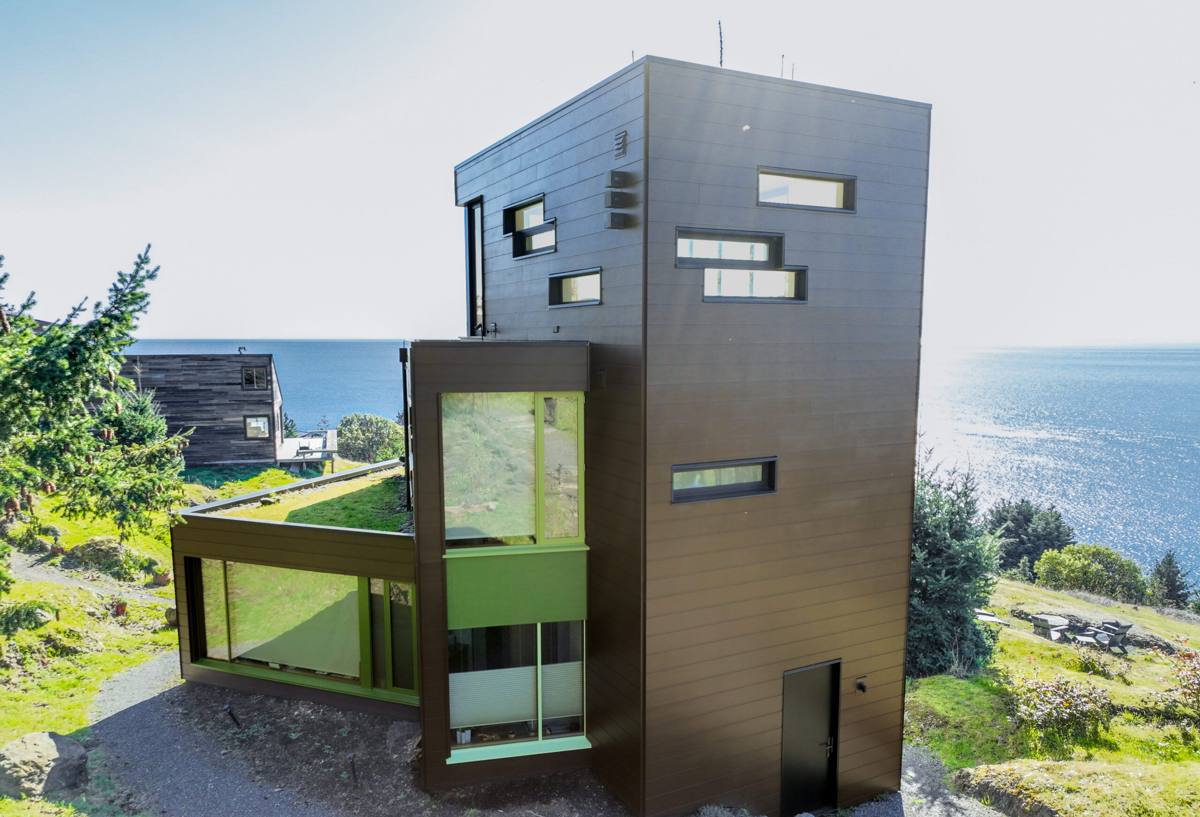
Signs Your Siding Needs Repair, Not Just a Look
Most siding damage doesn't announce itself with a hole in the wall. It shows up as smaller signals that are easy to write off. Homeowners in Belleair Bluffs should watch for:
- Soft or spongy spots when you press on the siding, especially near the bottom courses and around window and door trim
- Visible gaps, warping, or buckling in panels — often most noticeable after a windy stretch
- Peeling, bubbling, or chalky paint, which can indicate moisture working from behind rather than just sun fading
- Cracked or missing caulk at seams, corners, and trim joints
- Rust streaking below fasteners or corner trim, a sign salt air is attacking the metal
- Musty odors or discoloration on interior walls that back up to exterior siding
- Visible daylight or drafts around siding penetrations (vents, hose bibs, light fixtures)
Any one of these, on its own, might be minor. Two or three together — especially near the same section of wall — usually means water has been getting behind the siding for a while, and the surface damage is the last thing to show, not the first.
What a Correct Repair Actually Involves
A siding repair that just patches the visible symptom is a repair you'll be paying for again in a year or two. Done correctly, siding repair means diagnosing and addressing the underlying cause, not just the cosmetic result. That process generally includes:
1. Finding the actual water path
Before replacing anything, we trace how water is getting in — a failed seam, a compromised flashing detail, a cracked caulk joint, or wind-loosened fasteners. Replacing a damaged panel without fixing the entry point just delays the same damage.
2. Checking what's behind the siding
Once panels are opened up, the house wrap, sheathing, and framing underneath get inspected. In a wind-driven rain climate like this one, moisture can travel further behind the wall than the visible damage suggests, and any soft sheathing or compromised wrap needs to be addressed before new siding goes back on.
3. Matching material and profile
Repairs need to match the existing siding's profile, exposure, and finish closely enough that the patch doesn't stand out as a patch. This is one of the biggest advantages of working with a crew that installs a consistent product line — matching is far more predictable than trying to source a replacement for a discontinued vinyl or wood profile.
4. Correct fastening and sealing for wind zones
Pinellas County sits in a high-wind design zone, and repair work needs to follow the same fastening schedule and sealant standards required for new installation — not a shortcut version. Loosely refastened siding is often what fails first in the next storm.
Repair vs. Replacement: How We Decide
Not every damaged section needs a full re-side, and not every problem should be patched. The right call depends on how widespread the damage is and what's driving it.
| Factor | Points Toward Repair | Points Toward Replacement |
|---|---|---|
| Extent of damage | Isolated to one wall or a few panels | Recurring across multiple elevations |
| Underlying material | Sheathing and framing still sound | Widespread rot or soft sheathing found |
| Age of existing siding | Newer install, still under warranty | Original siding nearing or past expected service life |
| Cause of failure | One-time event (storm impact, isolated seam failure) | Systemic issue (poor original install, wrong product for climate) |
| Match availability | Current profile/color still available | Discontinued product, poor match likely |
We'll always tell you honestly which side of that table your home falls on. A targeted repair that solves the actual problem is the right answer more often than homeowners expect — but if the damage points to a systemic issue, we'll say so rather than patch something that's going to keep failing.
Why We Repair With James Hardie — Not Whatever's On the Truck
We install exclusively James Hardie fiber cement siding, and that standard applies to repairs as much as full installs. There's a practical reason: Hardie's HZ5 product line is engineered specifically for hot, humid, high-moisture climates like Florida's, with a formulation designed to resist moisture-related damage that plagues other siding materials in this environment. It's also non-combustible, which matters for insurance and long-term peace of mind, and it holds a factory-applied ColorPlus finish that's built to withstand UV exposure far better than field-applied paint.
When we're called out to repair siding that isn't Hardie — vinyl that's warped from heat, wood trim that's rotted from wind-driven rain intrusion, or older fiber cement that was never properly sealed — we'll do honest repair work on what's there. But when a homeowner is deciding what to repair with going forward, we're straightforward about why we think Hardie is the better long-term answer for this specific climate: less maintenance burden, better moisture performance, and a transferable warranty backed by a manufacturer that engineers specifically for zones like this one.
Our Repair Process, Start to Finish
- On-site inspection: We walk the exterior with you, identify every affected area, and explain what we find in plain terms.
- Diagnosis, not guesswork: We open up representative sections to check the water path and condition of the substrate before quoting a fix.
- Written scope and estimate: You get a clear breakdown of what needs repair, what's optional, and what we'd recommend versus what's strictly necessary.
- Repair execution: Damaged material is removed, underlying issues addressed, and new siding installed to the same fastening and sealing standards as a full install.
- Final walkthrough: We review the completed work with you before we consider the job done.
Why a Crew That Knows This Area Matters
Belleair Bluffs and the surrounding Largo area have their own microclimate factors — proximity to the water, elevation, and wind exposure — that don't behave exactly like siding problems fifteen miles inland. A crew that regularly works this part of Pinellas County has already seen how salt air attacks fasteners on bayfront-facing homes, how wind-driven rain finds its way into specific trim details, and which repair shortcuts fail first once the next storm season hits. That local pattern recognition is worth more than any generic repair checklist. It's the difference between a repair that holds and one that reopens the same problem area within a year or two.
It also matters for scheduling and follow-up. A contractor based nearby can respond faster after a storm, return for a warranty check without treating it as a special trip, and stand behind the work because they're not disappearing to the next county over.
Before You Call Anyone: A Quick Homeowner Checklist
- Walk your exterior after any significant wind event and note anything that looks different — even small changes matter
- Press gently on siding near ground level and around windows to check for soft spots
- Look at caulk lines at corners and trim — cracking or gaps are early warning signs, not cosmetic issues
- Check for rust streaking below fasteners or metal trim pieces
- Note any interior wall discoloration or musty smells on exterior-facing walls
- Get a professional inspection before small issues become structural ones — waiting rarely saves money in this climate
Get an Honest Assessment
If you're seeing any of the warning signs above, or you just want a professional set of eyes on your siding before the next storm season, we're happy to take a look. We'll give you a straightforward, no-pressure estimate that tells you exactly what's going on and what it would take to fix it right — use the form below to get started.