 Largo Siding
 Why Seminole Roofs Wear Out Differently Than Roofs Inland
A roof in Seminole isn't fighting the same battle as a roof forty miles inland. Sitting close to the Gulf and the Intracoastal, homes here deal with a combination most manufacturers' warranty language doesn't fully account for: hurricane-force wind events, near-constant UV exposure, wind-driven rain that finds its way sideways under poorly sealed edges, and salt-laden air that speeds up corrosion on every exposed metal component. None of these factors is dramatic on its own in any given month. Over ten or fifteen years, they compound, and that's usually when a homeowner starts noticing granule loss, curling shingle edges, rusted fasteners, or a roof that "looks fine" from the street but is failing underneath.
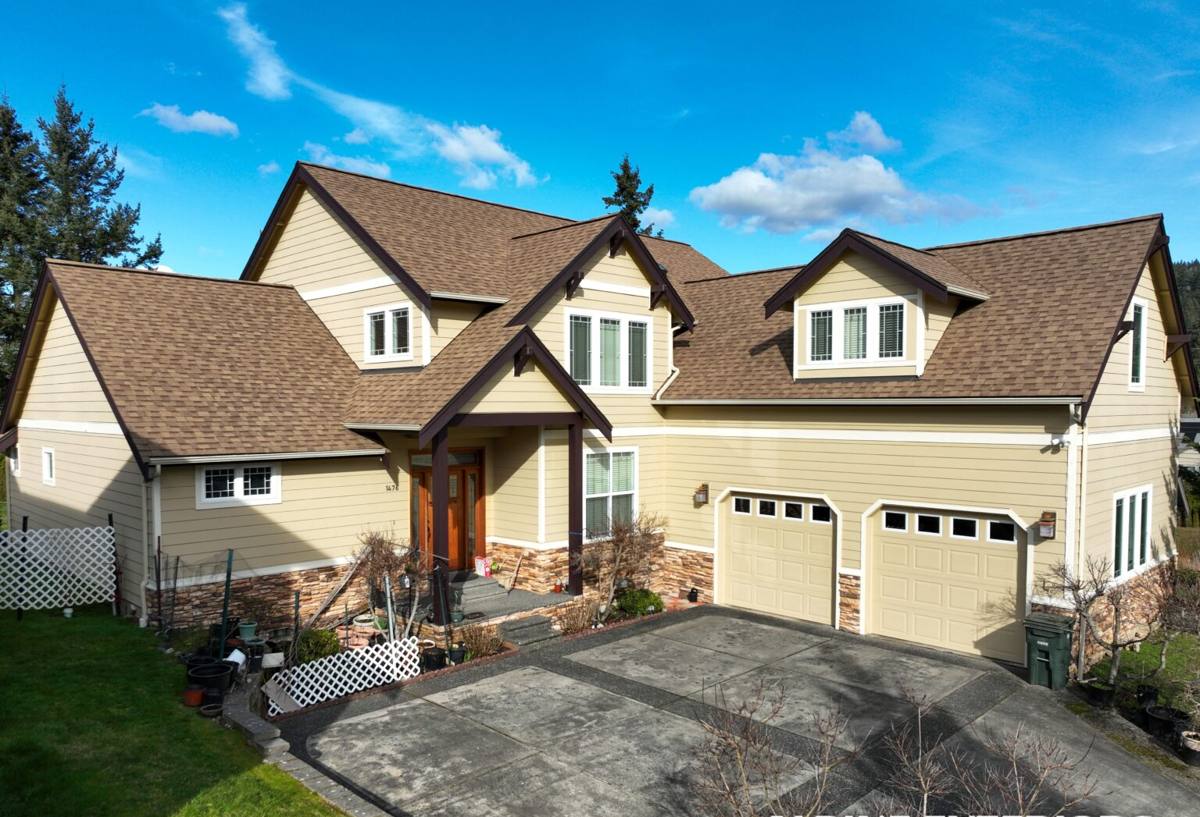
A correct new roof installation for a Seminole home isn't just about swapping old shingles for new ones. It's about building an assembly — decking, underlayment, flashing, fasteners, and ventilation — that's matched to Pinellas County's wind and moisture exposure from day one, not patched together to meet minimum code and hope for the best.
What a Correct Installation Actually Involves
Homeowners are often surprised how much of a roof's real performance has nothing to do with the shingle brand on the sample board. The materials underneath do most of the work of keeping a home dry and intact during a bad storm.
Deck Inspection and Repair
Before anything new goes down, the existing roof deck needs to be inspected — not just glanced at. Soft spots, delaminated plywood, and old fastener holes from a prior roof all need to be addressed. Installing a new roof over a compromised deck is one of the most common ways a roof underperforms in its first major windstorm, regardless of how good the shingles are.
Underlayment
This is the layer that actually keeps water out if wind ever lifts a shingle edge, which happens even on well-installed roofs during severe wind events. A synthetic underlayment with proper lap and fastening pattern, along with self-adhering membrane at eaves, valleys, and penetrations, matters more to long-term water intrusion resistance than most homeowners realize.
Flashing and Penetrations
Chimneys, skylights, plumbing vents, and wall transitions are where the overwhelming majority of roof leaks actually start — not in the open field of shingles. New flashing, correctly lapped and sealed, at every one of these points is non-negotiable on a proper install.
Fastening for Wind
Nailing pattern and fastener count directly affect a roof's wind rating. Florida Building Code sets minimums for this region, and for a home exposed to open water or higher wind zones, going beyond the bare minimum fastener count is a reasonable, low-cost way to add real wind resistance.
Ventilation
Attic ventilation affects shingle life more than most people expect. A hot, poorly ventilated attic accelerates shingle aging from underneath, on top of the UV damage happening from above. Balanced intake and exhaust ventilation should be part of the plan, not an afterthought.
Roofing Material Options for Seminole Homes
There's no single "best" roofing material — the right choice depends on budget, how long you plan to stay in the home, and how much maintenance you're willing to do. Here's an honest comparison of the main options we install:
| Material | Typical Lifespan | Wind Performance | Maintenance | Considerations |
|---|---|---|---|---|
| Architectural asphalt shingle | 20–30 years | Good, rated for high-wind installation | Low | Best balance of cost, appearance, and performance for most homes |
| Metal (standing seam) | 40–50+ years | Excellent | Very low | Higher upfront cost, strong long-term value, handles wind-driven rain well |
| Tile (concrete or clay) | 40–50+ years | Excellent when properly fastened | Moderate — underlayment needs earlier replacement | Heavier, requires structural check; the underlayment beneath tile typically fails before the tile itself does |
| 3-tab asphalt shingle | 15–20 years | Lower wind rating than architectural | Low | Lowest upfront cost; shortest service life in this climate |
For most Seminole homeowners weighing cost against durability, architectural asphalt shingles remain the most common and practical choice. Metal and tile are worth serious consideration for anyone planning to stay in the home long-term, since the higher upfront cost is offset by decades of avoided replacement.
Our Installation Process
We keep the process straightforward and communicate at each stage, since a roof replacement is disruptive enough without added uncertainty.
- On-site inspection and estimate. We assess the existing roof, attic ventilation, and any problem areas, and provide a written estimate with material options.
- Material selection. We walk through the trade-offs above so you're choosing based on what actually matters for your home, not just price.
- Permitting. We pull the required permit through the local building department before work begins — this isn't optional, and it protects you if there's ever an insurance claim tied to the roof's age or installation.
- Tear-off and deck inspection. Old roofing is fully removed so the deck can be properly inspected and repaired, not covered up.
- Underlayment and flashing installation. This is where most of the long-term water resistance actually comes from.
- Roofing material installation. Installed to manufacturer specification and Florida Building Code wind requirements for this region.
- Final inspection and cleanup. We do a final walkthrough, arrange the required inspection, and make sure the property is cleared of debris and nails.
Permits, Wind Mitigation, and Insurance
A new roof in Pinellas County requires a building permit, and the work must pass inspection before it's considered complete. Skipping this step — or hiring someone who does — can create real problems later, including denied insurance claims if a storm damages an unpermitted roof.
Once a new roof is installed to current code, it's worth having a wind mitigation inspection done. This documents the roof's construction details — deck attachment, roof-to-wall connections, and covering type — and can qualify the home for meaningful homeowners insurance discounts. Many homeowners who replace an older roof are surprised how much this single inspection can reduce their premium, since insurers price risk heavily around roof age and wind resistance in coastal Pinellas County.
Signs Your Roof Needs Replacement, Not Just Repair
Not every roof problem means a full replacement. But there's a point where repeated repairs cost more over time than doing the job right once. Watch for:
- Shingles that are curling, cupping, or losing significant granules (visible in gutters as gritty buildup)
- Multiple soft or spongy spots when walked on the roof
- Daylight visible through the roof deck from inside the attic
- Recurring leaks in different locations after repairs
- Roof is 20+ years old and has never been fully replaced
- Missing or lifted shingles after wind events, even minor ones
- Visible sagging along the roofline
- Rising energy bills tied to poor attic ventilation or insulation performance
If you're only seeing one or two of these and the roof is relatively young, a repair may genuinely be the right call — we'll tell you that honestly rather than push a replacement you don't need yet.
What Affects the Cost of a New Roof
Every roof is priced individually after inspection, but these are the main factors that move the number up or down:
| Factor | Effect on Cost |
|---|---|
| Roof size and complexity (valleys, hips, dormers) | More cuts and flashing points increase labor and material |
| Material choice | Asphalt is lowest upfront cost; metal and tile cost more but last longer |
| Deck condition | Rotted or delaminated decking requires repair or replacement before install |
| Roof pitch and accessibility | Steeper or harder-to-access roofs increase labor time |
| Number of layers being removed | Tear-off of multiple old layers adds disposal and labor cost |
| Ventilation upgrades | Adding proper intake/exhaust ventilation adds modest cost but extends roof life |
Broadly, a full asphalt shingle roof replacement on a typical Seminole-area home runs from the low five figures into the mid five figures depending on size and complexity, with metal and tile running higher. We give a firm number after seeing the actual roof — not a phone estimate.
Why a Crew That Already Works Seminole Matters
Roofing crews that work this part of Pinellas County regularly understand things a crew from outside the area has to relearn on your job: how salt air accelerates fastener corrosion, which flashing details actually hold up to wind-driven rain here, and what the local building department expects at inspection. That familiarity shows up in fewer surprises during the job and fewer callbacks after it.
It also matters for accountability. A contractor who works this community regularly has a reputation to protect here — that's a different incentive than a crew that drives in after a storm, does volume work, and moves on to the next county.
Get a Straightforward Estimate
If your roof is showing its age, was damaged in a recent storm, or you're just trying to plan ahead before the next hurricane season, we're happy to take a look and give you an honest read on repair versus replacement. Use the form below to request a free, no-pressure estimate for your Seminole-area home.