 Largo Siding
 Roof Repair Built for Belleair Bluffs Conditions
Belleair Bluffs sits along the Intracoastal in Pinellas County, close enough to open water that every roof in the area takes a different kind of beating than a roof further inland. The elevation that gives the community its name also means more direct exposure to wind coming off the water, and that wind carries salt. Add in Florida's intense, nearly year-round UV load and the wind-driven rain that comes with every strong summer storm or tropical system, and you have a roofing environment that punishes shortcuts. A repair that would hold up fine in a drier, calmer climate can fail here in a season or two if it's not done correctly.
We're based in Largo and work throughout this stretch of Pinellas County, so Belleair Bluffs isn't unfamiliar territory to us — it's part of our regular service area. That matters more than most homeowners realize, and we'll explain why further down. First, let's talk about what actually causes roof damage here and what a correct repair looks like.
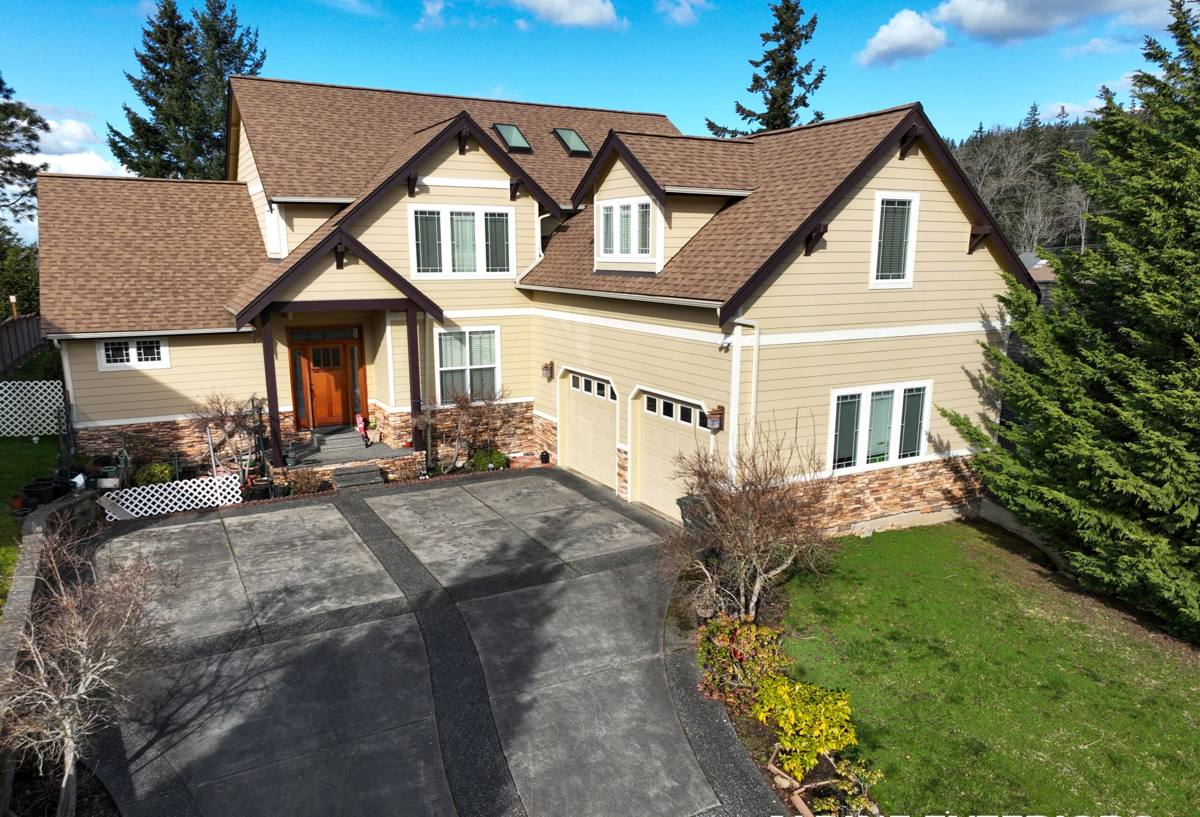
What This Climate Does to a Roof
Three forces drive most of the repair calls we get in this part of the county:
Wind
Pinellas County sits in Florida's windborne debris region, and coastal-adjacent neighborhoods like Belleair Bluffs feel gusts a little sooner and a little harder than inland areas. Wind doesn't just rip off loose shingles — it works underneath them. Once wind gets a lifted edge or a cracked tile to grab onto, it pries at fasteners and flashing with every gust, and the damage compounds over multiple storm seasons even if nothing dramatic happens in any single event.
UV and heat
Florida sun breaks down roofing materials from the top down. Asphalt shingles lose their granules and become brittle. Sealants dry out and crack. Tile roofs generally shrug off UV damage to the tile itself, but the underlayment beneath it ages the same way regardless of what's on top. A roof that looks fine from the ground can have underlayment that's already past its useful life.
Salt air and wind-driven rain
Being close to the water means metal components — nails, flashing, vent boots, drip edge — corrode faster than they would inland. Wind-driven rain also behaves differently than a straight-down downpour; it gets pushed sideways and upward under laps and flashing that were never designed to shed water from that angle. A lot of the "mystery leaks" we get called out for trace back to this exact mechanism.
Signs a Belleair Bluffs Roof Needs Repair
Most roof problems give some warning before they turn into an interior leak. Worth checking for, or having us check for, after any significant storm or at least once a year:
- Missing, cracked, curling, or lifted shingles, especially on the sides of the roof that face open wind
- Cracked, slipped, or broken roof tiles, or tiles that sound hollow or loose when walked near
- Granules collecting in gutters or at downspout outlets
- Rust staining or visible corrosion around vent boots, flashing, or metal valleys
- Soft spots, sagging, or ponding water on flat or low-slope sections
- Water stains on interior ceilings, especially near chimneys, skylights, or wall-roof intersections
- Daylight visible through the attic decking, or a musty smell in the attic
- Caulking or sealant around penetrations that's cracked, shrunk, or pulling away
Any one of these on its own might be minor. Several together, or anything paired with an active interior leak, means it's time for a proper inspection rather than a wait-and-see approach.
Common Roof Types We Repair in This Area
Asphalt shingle
Still the most common roof covering on homes in and around Belleair Bluffs. Shingle roofs are generally the most affordable to repair, but they're also the most sensitive to wind uplift and UV degradation over time. Matching existing shingles for a spot repair can be a real challenge once a roof has weathered for several years, since color and granule wear change with age — we'll always be upfront if an exact match isn't realistic for a small patch.
Tile
Concrete and clay tile roofs are common on both older and newer homes here, and they handle UV and salt air better than most materials. The tile itself is rarely the weak point — it's almost always the underlayment beneath it, the flashing at valleys and walls, or individual cracked or slipped tiles from foot traffic or storm debris. Tile repair requires care; tiles are brittle and improperly walked or handled tiles crack, which just creates the next repair call.
Flat and low-slope
Some homes and most additions, porches, or garage tie-ins in this area have flat or low-slope sections using modified bitumen, TPO, or built-up roofing. These systems fail differently than sloped roofs — usually through membrane seams, ponding water, or flashing at the transition to a sloped roof — and need a repair approach specific to that system, not a patch borrowed from shingle work.
What a Correct Roof Repair Actually Involves
A roof repair done right isn't just replacing what's visibly broken. It involves:
- Finding the actual source — water travels before it stains, so the wet spot on the ceiling is often several feet from where the leak originates. Chasing the visible damage without tracing it back leads to repeat calls.
- Checking the underlayment, not just the surface material, since sun and moisture damage the underlayment even when shingles or tiles look intact.
- Correct flashing work at every penetration, valley, and wall intersection — flashing failures are behind a large share of the leaks we diagnose, more often than the field material itself.
- Matching fastener and sealant materials to the coastal environment so the repair doesn't corrode faster than the roof around it.
- Confirming ventilation is intact after the repair, since blocked or damaged ventilation traps heat and moisture that shorten the life of everything above it.
Skipping any of these doesn't make the repair fail immediately — it makes it fail early, usually right around the next serious storm.
Repair or Replace? How We Help You Decide
Not every damaged roof needs to be torn off. But a repair on a roof that's genuinely near the end of its life is money that doesn't hold up. We walk homeowners through the honest version of that decision rather than defaulting to whichever answer is more profitable for us.
| Factor | Leans toward repair | Leans toward replacement |
|---|---|---|
| Roof age | Well within expected lifespan for the material | At or beyond typical service life |
| Damage extent | Isolated to one area or a few components | Spread across multiple sections or slopes |
| Underlayment condition | Sound where checked | Brittle, torn, or failing broadly |
| Storm history | First significant damage in a while | Repeated damage or repairs over recent years |
| Insurance situation | Repair covers the actual damage | Adjuster or age supports full replacement |
An honest inspection gives you the real picture instead of a guess, and we'll tell you plainly when a repair is the right call — not just when it's the only option we can sell.
Our Process
- Inspection. We look at the roof from the surface down, including the attic where accessible, and document what we find.
- Straight answer. We explain what's actually wrong, what caused it, and what the realistic repair options are, including a plain-language repair-versus-replace recommendation if it's relevant.
- Written estimate. No pressure, no countdown-timer discount. You get a clear scope and price before any work starts.
- The repair. Work is done to Florida Building Code standards for this region, with materials suited to coastal wind and salt exposure — not just whatever's cheapest or fastest.
- Cleanup and walkthrough. We clear debris and nails from the property and walk the completed work with you before we consider the job done.
Why Hiring a Crew That Already Works Belleair Bluffs Matters
Roofing codes and best practices aren't identical everywhere in Florida. Pinellas County's wind exposure and windborne-debris requirements shape what fastening patterns, underlayment types, and flashing details actually hold up here, and a crew that mainly works inland counties doesn't necessarily build that judgment in. Working regularly in Largo and the surrounding Belleair Bluffs area means we're not learning the local wind and moisture behavior on your roof — we already know it, because we've dealt with the same conditions on the house down the street.
Local, established contractors are also easier to hold accountable. If a repair doesn't perform the way it should, you're not chasing down a company that came through once and moved on. That accountability, more than anything, is what separates a repair that lasts from one that just looks finished on the day it's done.
Materials and Workmanship We Stand Behind
We don't cut corners on the components most likely to fail first in this climate — fasteners, flashing, sealants, and underlayment — even on a repair that might seem small. A repair using budget materials in a salt-air, high-UV environment often costs more over time than doing it right the first time, because it just means paying for the same repair again sooner. We'll always explain the material choice behind a repair and the trade-offs involved, so you're deciding with full information rather than taking it on faith.
If you've noticed a leak, missing shingles, cracked tile, or storm damage on a Belleair Bluffs roof, we're happy to take a look. The estimate is free, there's no pressure to move forward, and you'll get a straight answer about what your roof actually needs.