 Largo Siding
 Windows on a Barrier Island Take a Different Kind of Beating
Redington Shores sits on a narrow strip of land between the Gulf of Mexico and the Intracoastal Waterway, and that location changes what a window has to survive. Homes here deal with direct salt spray, near-constant onshore wind, and sun exposure that doesn't let up for most of the year. A window that performs fine a few miles inland in Largo or further into Pinellas County can fail faster on the barrier islands simply because the environment is more aggressive. Installing windows correctly in this setting isn't just about picking a good product — it's about understanding how salt air, wind pressure, and UV exposure interact with the glass, frame, and installation details over time.
We install windows throughout the Largo area, including the Gulf-front and Intracoastal-facing homes of Redington Shores, and the approach we take here is more careful than what a general contractor might apply to a standard suburban install. The stakes are higher: a poorly flashed window on a coastal home doesn't just leak eventually, it can let wind-driven rain into the wall cavity during the first serious storm.
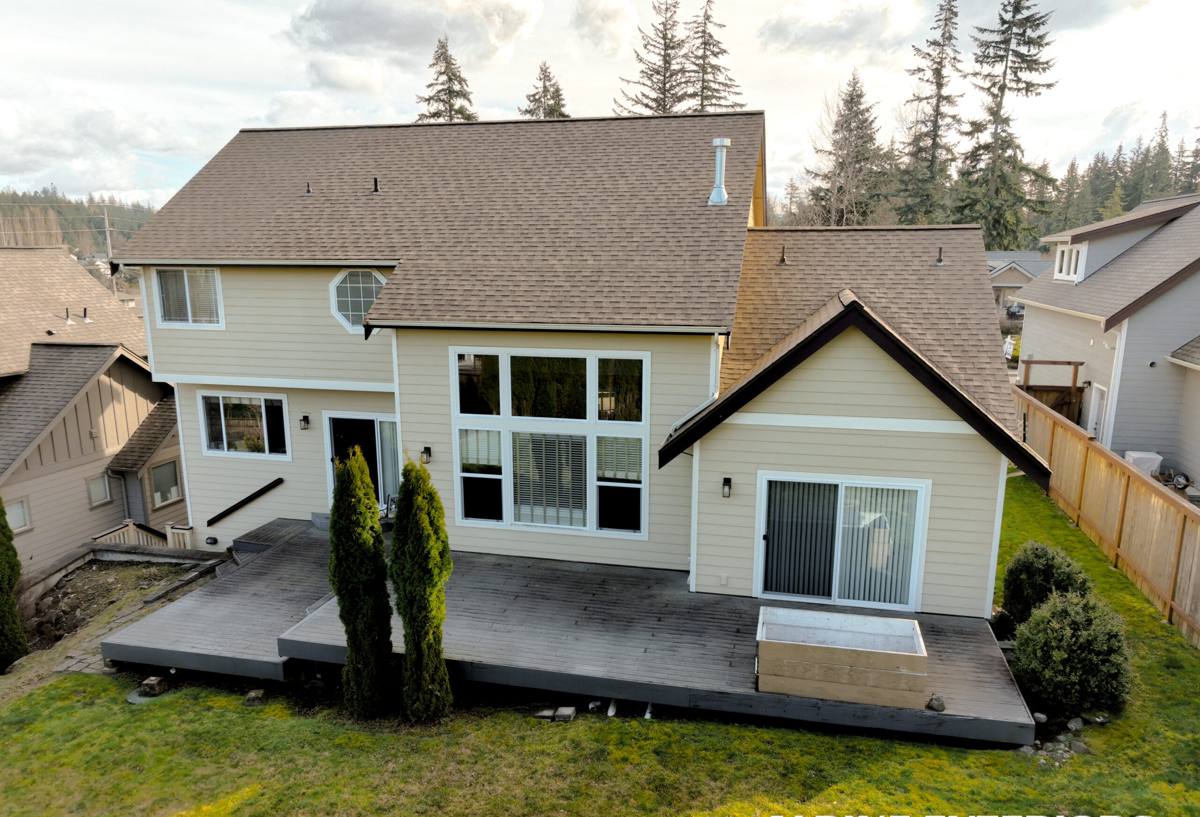
What Coastal Exposure Actually Does to a Window
Salt Air and Corrosion
Airborne salt settles on everything near the Gulf, including window frames, hardware, and fasteners. Over years, salt exposure accelerates corrosion on lower-grade metal components — hinges, cranks, locking hardware, and screws. It also degrades certain finishes and can pit or cloud lower-quality glass coatings faster than manufacturers' general warranty language accounts for. This is why frame material and hardware grade matter more here than they would on a house twenty miles inland.
Wind-Driven Rain
Standard rain falls straight down and mostly gets handled by a roof and gutters. Wind-driven rain during Gulf storms and hurricane-adjacent weather moves sideways and even upward, pushing water into gaps that would never see moisture in calmer conditions. This is almost entirely an installation issue, not a product issue — even a top-tier window will leak if the flashing, sill pan, and sealant details aren't done correctly.
UV Load
Florida's year-round sun breaks down cheap vinyl, dries out sealants, and fades interior finishes faster near the coast, where reflected light off water adds to direct exposure. Sealants and gaskets rated for UV resistance aren't optional extras here — they're part of what keeps a window performing for its expected lifespan.
Wind Pressure
Pinellas County's coastal zones fall under Florida Building Code wind-load requirements that are stricter than inland jurisdictions. Windows installed in Redington Shores need to meet the pressure ratings tied to the property's specific wind zone, which is generally higher near open water than a few blocks in.
Code Requirements for This Area
Because Redington Shores is in a designated wind-borne debris region, window replacements and new installs typically need to meet impact resistance or be paired with approved protection, along with meeting the design pressure rating required for the site. Pinellas County and the Town of Redington Shores both enforce permitting on window work — this isn't a project where skipping the permit is a shortcut worth taking, since it affects insurance claims, resale disclosures, and inspection sign-off. We pull the required permits and schedule inspections as part of the job, not as an afterthought.
| Requirement | Why It Applies Here |
|---|---|
| Wind-borne debris impact rating or shutter protection | Redington Shores falls in a high-velocity hurricane zone under Florida Building Code |
| Design pressure (DP) rating matched to site | Proximity to open Gulf water increases wind load calculations versus inland Largo |
| Permitted installation with inspection | Required by the Town of Redington Shores and Pinellas County; affects insurance and resale |
| Product approval (Florida Product Approval or Miami-Dade NOA) | Confirms the specific window model is tested and rated for the intended use |
What a Correct Installation Actually Involves
The window itself is only part of the job. Most leaks and premature failures we see on coastal homes trace back to installation shortcuts, not defective units. A correct install includes:
- Removing the old window and inspecting the rough opening for rot, water damage, or structural issues before anything new goes in
- Installing a proper sill pan flashing to direct any water that gets past the window back outside the wall system
- Integrating flashing tape and house wrap in the correct shingle-lap order so water sheds outward, never inward
- Setting the window level, plumb, and square, then securing it per the manufacturer's fastening schedule for the rated wind pressure
- Shimming correctly so the frame isn't stressed or bowed, which can cause seal failure even on a well-made window
- Sealing with a UV-stable, coastal-rated sealant at all penetration points, not just a bead around the trim
- Insulating the gap between frame and rough opening with the correct low-expansion foam or backer rod, avoiding gaps that create thermal and moisture weak points
- Finishing interior and exterior trim so the water management system stays hidden but functional
Skipping or rushing any one of these steps is how a $1,000+ window ends up causing a wall repair a few years later. The window brand matters less than most homeowners assume — the installation is where the real risk lives.
Choosing the Right Window for a Gulf-Facing Home
Frame Material
Vinyl frames with UV-stabilized compounds hold up well in this climate and are the most common choice for coastal Pinellas County homes. Aluminum frames are strong and often used where higher design pressure ratings are needed, but require a quality finish to resist salt corrosion over time. We steer homeowners away from lower-grade vinyl or bare aluminum options in this specific location — not because those products are bad everywhere, but because they're a poor match for direct salt exposure and the maintenance burden they create isn't worth the upfront savings.
Glass Package
Impact-rated laminated glass is the standard for this zone. Beyond meeting code, laminated glass also cuts UV transmission significantly, which helps protect flooring, furniture, and fabrics from fading — a real benefit on a home that gets reflected sun off the water for much of the day. Low-E coatings help manage heat gain, which matters for cooling costs given how much of the year Florida runs air conditioning.
Hardware
Look for marine-grade or coastal-rated hardware — stainless steel components resist salt corrosion far better than standard-grade metal. This is a small line-item difference that has an outsized effect on how well locks, cranks, and hinges function five or ten years in.
How Our Process Works
- Site assessment: We evaluate existing window condition, rough opening health, and the home's specific wind zone requirements.
- Product and DP rating selection: We match window products to the design pressure and impact requirements for the property, not a generic package.
- Permitting: We handle the permit application with Pinellas County and Redington Shores before work begins.
- Removal and opening inspection: Old units come out carefully, and we check framing for hidden moisture damage before proceeding.
- Flashing and installation: Sill pans, flashing tape, and fastening follow manufacturer specs for the rated wind pressure.
- Sealing and trim: Coastal-rated sealants and finish work close out the exterior and interior.
- Inspection and walkthrough: We coordinate the required inspection and walk the homeowner through the finished work.
Why a Crew Familiar with Redington Shores Matters
A contractor who mostly works inland may not be used to designing for the wind zones and salt exposure that define barrier island work in Pinellas County. Local familiarity means knowing which sealants and hardware actually hold up here, understanding the permitting process with the Town of Redington Shores specifically, and recognizing signs of salt-related wear or storm-driven water intrusion before they become bigger problems. It also means being realistic with homeowners about maintenance — even the best coastal windows benefit from periodic hardware checks and sealant inspection given how hard this environment works on materials.
Signs Your Current Windows Are Struggling With the Coastal Environment
- Cloudy or foggy glass between panes, indicating a failed seal
- Corroded or stiff hardware that's hard to lock or crank
- Visible gaps, cracked caulk, or daylight around the frame
- Water staining on interior sills or nearby drywall after storms
- Frames that feel warm to the touch or noticeably increase cooling costs
- Difficulty opening or closing due to frame warping
Any of these are worth having looked at, especially before hurricane season peaks, since a compromised window is one of the more common points of storm damage entry.
Cost Factors to Expect
| Factor | Impact on Cost |
|---|---|
| Impact-rated laminated glass vs. standard glass | Higher upfront cost, required for this wind zone, reduces need for separate shutters |
| Frame material (vinyl vs. aluminum) | Aluminum often costs more but may be needed for higher DP ratings |
| Number and size of window openings | Larger openings and picture windows cost more due to structural and glass requirements |
| Rough opening repair needs | Hidden rot or framing damage adds cost but is critical to address before closing up the wall |
| Permitting and inspection fees | Set by Pinellas County and the Town of Redington Shores, factored into the project timeline |
Every home and window count is different, so a firm number only comes from an actual site visit — general per-window ranges you may see online rarely account for the DP ratings and glass requirements specific to Gulf-front properties.
If your Redington Shores home needs window replacements or you're planning ahead for hurricane season, we're happy to take a look and put together a straightforward, no-pressure estimate. Use the form below to get started.