 Largo Siding
 Why Redington Shores Homes Wear Out Siding Faster
Redington Shores sits on a narrow barrier island strip in Pinellas County, wedged between the Gulf of Mexico and the Intracoastal Waterway. That location is what makes the town desirable, and it's also what makes the exterior of a home there work harder than almost anywhere else in the Tampa Bay area. Siding here isn't just cladding — it's the primary barrier standing between a wood-framed or block structure and a combination of salt-laden air, sustained UV exposure, wind-driven rain, and periodic hurricane-force gusts. Products that hold up fine forty minutes inland in Largo can fail years early a few blocks from the beach.
When we replace siding on a Redington Shores home, we're not just matching a color or swapping panels. We're rebuilding the water-management system behind the cladding and choosing a material that can actually survive the environment it's going into.
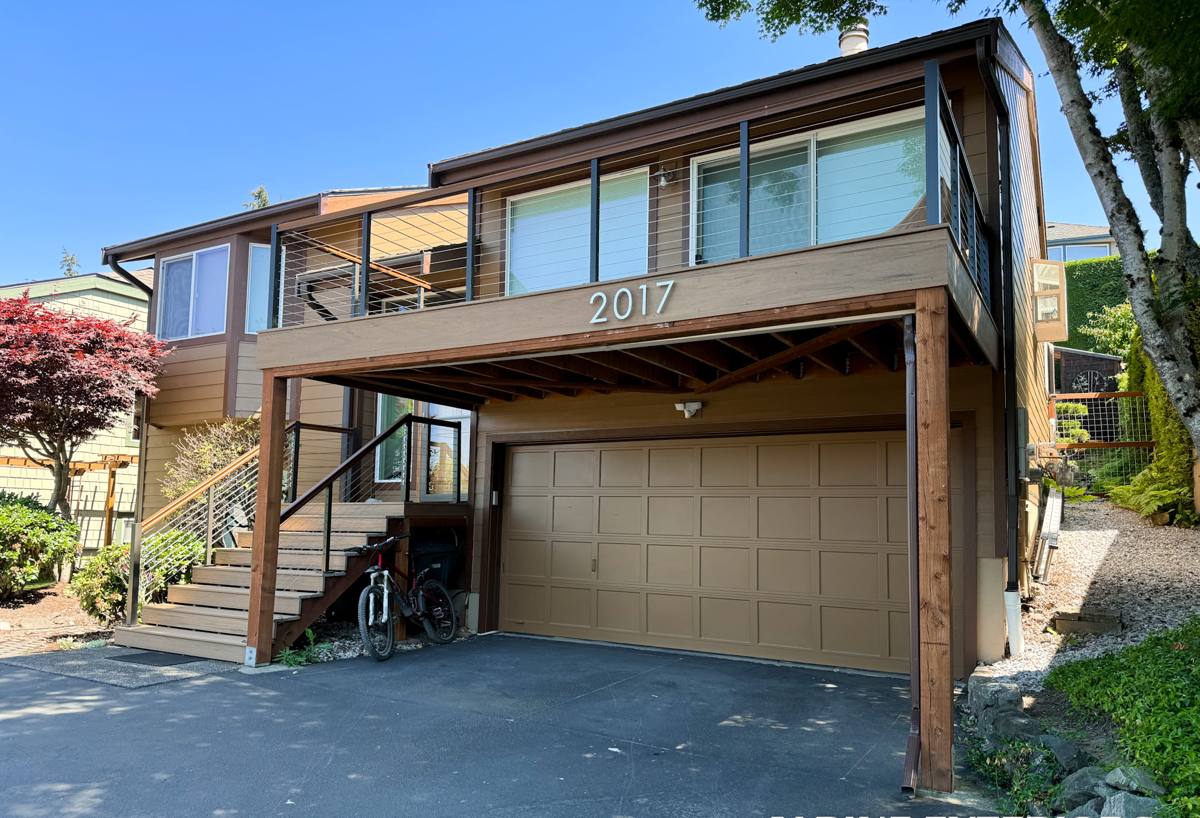
What Salt Air, Wind, and UV Actually Do to Siding
Each of these stressors attacks siding differently, and on a barrier island they're all present at once, year-round.
Salt Air and Moisture
Airborne salt is corrosive and hygroscopic — it draws moisture and holds it against a surface. On siding, that means finishes degrade faster, fasteners and trim hardware corrode sooner, and any seam or joint that isn't properly sealed becomes an entry point for salt-saturated moisture that keeps wood framing and sheathing damp longer than it should be.
Wind-Driven Rain
Rain in coastal Pinellas County rarely falls straight down. Wind pushes it sideways and drives it up under laps, around window and door trim, and into any gap in the water-resistive barrier. Siding systems that rely on caulk alone to keep water out, rather than proper flashing and lap geometry, tend to leak first at these pressure points.
Intense, Near-Constant UV
Florida's UV index is high most of the year. Painted and low-grade composite sidings chalk, fade, and become brittle under that kind of sustained exposure. A finish that looks fine at installation can be visibly degraded within a few Florida summers if it wasn't engineered for this climate.
Hurricane-Force Wind Loads
Beyond named storms, Redington Shores routinely sees strong straight-line wind events off the Gulf. Siding attachment — fastener type, spacing, and embedment — matters as much as the material itself. Under-fastened or improperly nailed siding is one of the most common causes of storm-related siding failure, and it's a workmanship issue, not a product issue.
Signs a Redington Shores Home Needs Siding Replacement, Not Repair
- Soft, spongy, or delaminating sections, especially near the bottom courses and around windows
- Visible warping, buckling, or gaps that have opened up between panels or boards
- Paint that's failing broadly rather than in one isolated spot — chalking, peeling, or blistering across multiple elevations
- Musty odors, interior staining, or soft drywall near exterior walls, which often points to moisture behind the siding
- Visible corrosion streaking from fasteners or trim hardware
- Siding that's more than 20-25 years old, especially older wood, hardboard, or lower-grade composite products never designed for this exposure
One or two of these on their own might be a repair. Several at once, or damage concentrated on the Gulf-facing side of the home, usually means the whole system — cladding, house wrap, and flashing — needs to come off and be redone correctly.
What a Correct Siding Replacement Job Actually Involves
Replacing siding on a coastal home is not a cosmetic swap. Done right, it's a full rebuild of the exterior water-management assembly:
- Full tear-off and substrate inspection. We remove the old siding down to the sheathing and check for rot, delamination, or water damage that needs to be addressed before anything new goes on.
- New weather-resistive barrier. A properly lapped and sealed house wrap gives the wall assembly a second line of defense if any water gets past the cladding.
- Correct flashing at every penetration. Windows, doors, hose bibs, vents, and any other wall penetration get flashed so water is directed out and down, never behind the siding.
- Manufacturer-spec fastening. Fastener type, length, and spacing are matched to the product and to Florida's wind-load requirements — not just "close enough."
- Proper clearances. Siding is installed with the correct gap above roof lines, decks, and grade so it isn't sitting in standing water or trapped moisture.
- Factory-finished cladding. We install pre-finished panels and boards rather than field-painted material, so the coating that faces salt air and UV was applied and cured under factory conditions, not on a ladder in July.
Skip any one of these steps and the new siding can fail years before it should — regardless of what brand name is on the box.
Why We Install Only James Hardie Fiber Cement
Largo Siding Company installs one siding system: James Hardie fiber cement. We don't offer vinyl, LP SmartSide, primed wood, or cedar, and on a barrier island property like a Redington Shores home, that's not a marketing position — it's a practical one.
Fiber cement is non-combustible and dimensionally stable, so it doesn't expand, contract, or warp with humidity swings the way wood-based and some engineered products can. Hardie's ColorPlus finish is baked on at the factory and formulated to hold color and resist UV fading and chalking far longer than field-applied paint. Hardie also engineers specific product lines (their HZ5 designation, used throughout Florida) for high-humidity, high-moisture climates — the material itself is built around the exposure conditions Pinellas County homes actually face, not a generic national spec.
That doesn't mean every other product is unusable everywhere. Vinyl and engineered wood sidings have their place. But on a property taking direct salt air, sustained UV, and periodic hurricane wind, we've made installing anything other than Hardie a standard we're not willing to lower — because the failures we'd otherwise be called back to fix are predictable and avoidable.
How Common Siding Materials Hold Up in This Environment
| Material | Salt Air / Moisture | UV / Color Retention | Wind Performance |
|---|---|---|---|
| James Hardie fiber cement | Excellent — non-combustible, dimensionally stable | Excellent — factory ColorPlus finish | Excellent when installed to spec |
| Vinyl siding | Fair — can warp/crack with heat and age | Fair to poor — fades and becomes brittle over time | Variable — depends heavily on panel gauge and fastening |
| Engineered wood (e.g., LP SmartSide) | Fair — wood-based, moisture sensitive at cut edges and seams | Good with factory finish, but edge/seam maintenance is critical | Good when installed and maintained correctly |
| Primed wood / cedar | Poor to fair — high maintenance, moisture-prone | Requires ongoing repainting/staining | Good structurally, but finish and joints need constant upkeep |
Our Process for Redington Shores Projects
Because we regularly work barrier island properties in this stretch of Pinellas County, our process is built around the logistics and exposure conditions specific to it:
1. On-Site Assessment
We walk the exterior, check the Gulf-facing and street-facing elevations separately since they often age differently, and inspect trim, soffits, and existing flashing — not just the siding itself.
2. Written Scope and Product Plan
You get a clear scope covering tear-off, substrate repair (if needed), house wrap, flashing detail, and the specific Hardie profile and color for your home, along with a realistic timeline.
3. Staging for a Coastal Site
Barrier island lots are often narrow with limited staging space and tighter setbacks from neighboring homes. We plan material delivery and site protection accordingly so the project doesn't spill into your neighbor's yard or block access.
4. Installation to Manufacturer and Wind-Load Spec
Fastening schedules, clearances, and flashing follow James Hardie's installation instructions and Florida wind-load requirements — not shortcuts.
5. Final Walkthrough
We walk the finished job with you, checking caulking, trim lines, and clearances before we consider it done.
What to Ask Any Contractor Before Hiring for This Kind of Work
- Are you removing the old siding down to the sheathing, or installing over it?
- What weather-resistive barrier and flashing details are included in the scope?
- What fastener type and spacing schedule will you use, and does it meet Florida wind-load requirements?
- Is the siding factory-finished, or will it be painted on-site?
- Can you provide proof of licensing and insurance specific to exterior/siding work in Pinellas County?
- What does the manufacturer's warranty actually cover, and is it transferable if you sell the home?
A contractor who can answer these clearly, without vague language, is one who's done this work on homes like yours before.
Get a Straight Answer About Your Siding
If your Redington Shores home is showing signs of wear on its siding — fading, soft spots, gaps, or a finish that just looks tired — it's worth getting an honest, no-pressure look before deciding between repair and replacement. We'll tell you what we actually see, what we'd recommend, and why, using the form below to set up a free estimate.