 Largo Siding
 Siding on a Barrier Island Isn't Like Siding Anywhere Else
Redington Shores sits out on the barrier island strip of Pinellas County, with the Gulf on one side and the Intracoastal on the other. That location is what makes the neighborhood beautiful, and it's also what makes siding on these homes work harder than siding almost anywhere else in the region. Salt-laden air moves across the island constantly, not just during storms. Add in wind-driven rain that hits walls sideways during summer squalls and tropical systems, plus year-round UV exposure that's more intense here than in northern climates, and you have three separate stress factors working on your exterior at the same time, every day.
A lot of siding problems we see on the island aren't failures of the material itself — they're failures of installation choices that didn't account for this environment. Panels that look fine going up can trap moisture behind them within a few years if the water-resistive barrier, flashing, and fastening weren't done to spec. On a barrier island, those mistakes show up faster than they would a few miles inland in Largo proper, because the corrosive salt air accelerates whatever weakness is already there.
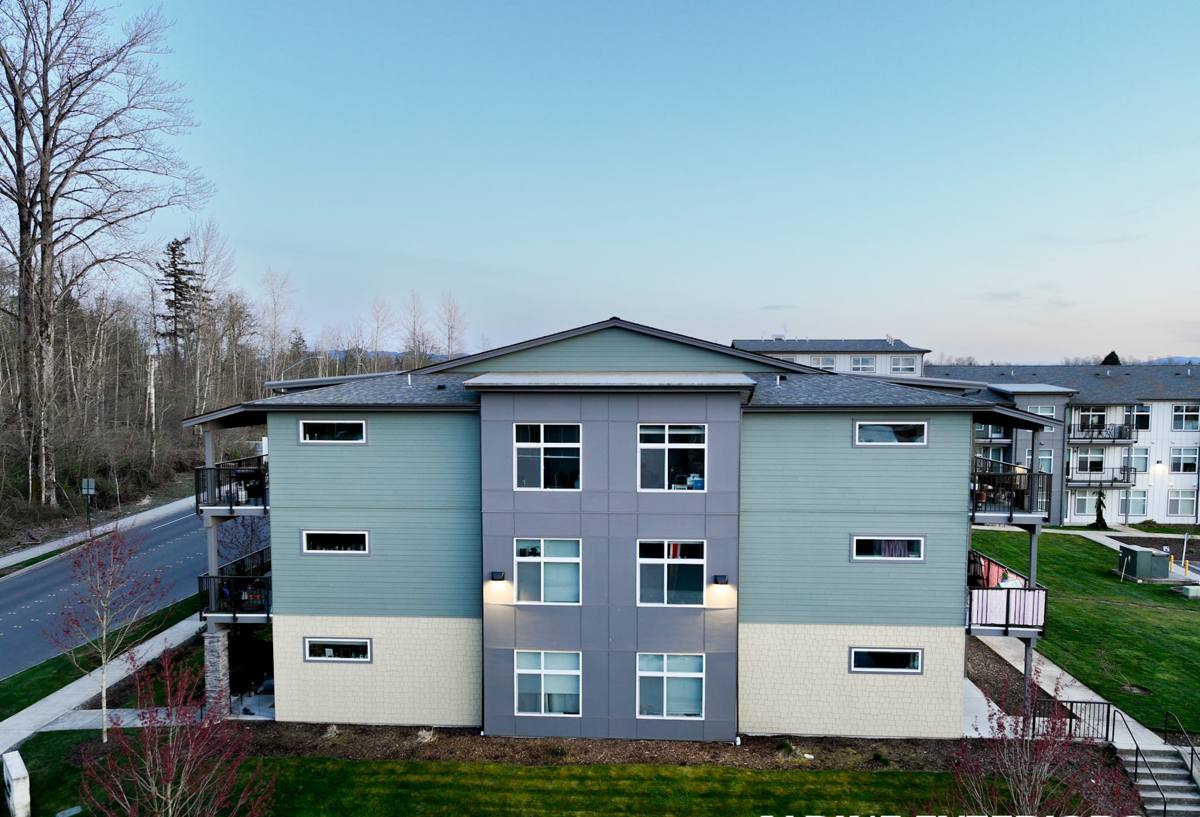
What Redington Shores Homes Actually Need From Their Siding
Before we talk about installation technique, it's worth being clear about what the siding itself needs to be capable of. In this climate, that means:
- Resistance to moisture absorption and swelling, since wind-driven rain will find any gap
- A factory-applied finish that won't chalk, peel, or fade quickly under intense, near-constant sun
- Non-combustible material, since coastal wind events increase fire risk from embers and electrical exposure
- Dimensional stability so panels don't warp, cup, or separate at seams as humidity swings
- A fastening and flashing system engineered for high wind-load pressure, not just standard wall assemblies
This is exactly why we standardized on James Hardie fiber cement siding and stopped installing vinyl, LP SmartSide, primed wood, cedar, and other fiber cement alternatives like Cemplank or Allura. Fiber cement is inherently non-combustible and dimensionally stable, but the bigger reason is Hardie's HZ5 product engineering, which is built specifically for hot, humid, high-moisture climates like ours — and their ColorPlus factory finish, which is baked on under controlled conditions rather than field-painted, giving it real resistance to the fading and chalking that Gulf-front sun causes.
Why We Don't Install Vinyl or Wood-Based Alternatives Here
Vinyl siding has a place in a lot of the country, and it's not a bad product on its own terms — it's affordable and low-maintenance in mild climates. But vinyl softens and can deform in sustained high heat, and its wind ratings depend heavily on installation and panel quality, which becomes a real liability in a barrier-island wind environment. Wood-based siding, including primed spruce, cedar, and engineered wood products like LP SmartSide, brings a different problem: any breach in the factory coating exposes wood substrate to moisture, and on the island that moisture exposure is near-constant, not occasional. Once wood-based siding starts absorbing water at a cut edge or fastener point, rot can spread before it's visible from the outside.
None of this means those products are junk — it means we made a professional judgment that they're not the right standard for the environment we work in, and we'd rather turn down that installation than warranty a product we don't trust to perform on this island for the next 30 years.
What a Correct Installation Actually Involves
Fiber cement siding is only as good as the assembly behind it. On Redington Shores homes, we treat the following as non-negotiable, not optional upgrades:
Substrate and Moisture Barrier
Every square foot of sheathing gets inspected before any barrier goes on. Existing rot, soft spots, or old moisture damage gets addressed first — covering a compromised substrate with new siding just hides the problem and shortens its life. A code-compliant weather-resistive barrier goes on next, lapped correctly from the bottom up so water is always directed outward, never trapped behind the wall.
Flashing at Every Penetration
Windows, doors, vents, hose bibs, and any other wall penetration are the most common failure points on coastal homes. Each one gets properly flashed and sealed according to Hardie's published installation specifications, not general best-guess practice. This is the detail that separates a siding job that lasts two decades from one that starts leaking in three years.
Fastening for Wind Load
Fastener type, spacing, and embedment all change based on wind exposure category, and a barrier-island property is a higher exposure category than a home a few miles inland. We follow Hardie's fastening schedules for high-wind zones, which matters both for performance and for keeping any manufacturer warranty intact.
Clearance and Drainage
Siding needs proper clearance from grade, roofing, decks, and other transitions so water has somewhere to go instead of wicking up into the panel. This is a detail that's easy to shortcut and hard to notice until years later when the bottom courses start showing damage.
Our Installation Process
Every project follows the same sequence, whether it's a full re-side or a targeted section replacement:
- On-site assessment — we walk the exterior, check the substrate where accessible, and note wind exposure, drainage, and any existing damage
- Written estimate — scope, product line, color, and a realistic timeline, with no vague allowances buried in the fine print
- Tear-off and substrate repair — old siding comes off, sheathing is inspected and repaired as needed before anything new goes up
- Weather barrier and flashing — installed per code and per Hardie spec, with extra attention at every penetration
- Panel installation — HZ5 panels or planks installed with correct fastening, spacing, and clearance for this exposure category
- Trim, caulking, and touch-up — factory-finish touch-up paint used only where Hardie specifies, keeping the ColorPlus warranty intact
- Final walkthrough — we go over the finished job with the homeowner before calling it done
Comparing Materials for Barrier-Island Exposure
| Factor | James Hardie Fiber Cement | Vinyl | Wood-Based / LP SmartSide |
|---|---|---|---|
| Combustibility | Non-combustible | Combustible | Combustible |
| Moisture absorption | Engineered for humid climates (HZ5) | Low, but seams/edges can allow water intrusion | Vulnerable if coating is breached |
| High-wind performance | Strong when installed to spec | Rating depends heavily on panel quality and install | Adequate but rot risk compounds wind damage |
| Finish durability in intense UV | Factory-baked ColorPlus finish | Can fade/chalk faster in high heat | Depends on field paint quality and reapplication |
| Typical lifespan when installed correctly | 30+ years | 15-25 years | 15-25 years, shorter if moisture-exposed |
Signs Your Current Siding Needs Attention
Because this island's climate accelerates wear, it's worth checking your siding more often than you might elsewhere in Pinellas County. Watch for:
- Soft or spongy spots when you press on panels, especially near the bottom courses
- Visible warping, bowing, or separation at seams
- Paint or finish that's chalking, peeling, or badly faded on sun-facing walls
- Staining or discoloration that keeps returning after cleaning, which can indicate moisture behind the panel
- Gaps or cracking around window and door trim
- A musty smell near exterior walls, which can point to trapped moisture inside the wall cavity
Any one of these on its own might be minor. Several together, especially on a Gulf-facing wall, usually means it's time for a professional look before the damage spreads to the sheathing underneath.
Cost Factors for a Redington Shores Project
Every home is different, so we don't quote pricing until we've actually seen the job, but the main variables that move the number are consistent:
| Factor | Why It Matters |
|---|---|
| Home size and wall complexity | More corners, dormers, and trim detail add labor time |
| Substrate condition | Rot or moisture damage found during tear-off requires repair before new siding goes on |
| Product line and profile | Lap siding, shingle-style panels, and board-and-batten carry different material and labor costs |
| Color selection | Standard ColorPlus colors versus custom field-painted options affect both cost and long-term finish warranty |
| Access and site conditions | Waterfront lots, narrow setbacks, or limited staging area can affect scheduling and equipment needs |
Why Hiring a Crew That Already Works the Island Matters
Barrier-island work isn't the same as a standard mainland install, and it shows in small decisions that add up: how flashing is detailed around salt-exposed hardware, how fastening is adjusted for wind exposure, how a crew sequences work around the tighter lots and limited staging space common on the island, and how they plan around the weather windows that Gulf-front work depends on. A crew that's done this work in Redington Shores and the surrounding barrier communities isn't guessing at any of that — they've already solved it on homes like yours.
It also matters for licensing and accountability. Florida requires siding contractors to carry a state license and insurance, and a legitimate local contractor should have no hesitation showing you both. Ask any contractor bidding your project for their license number, proof of general liability and workers' comp insurance, and whether they're a certified Hardie installer. If they hedge on any of those, keep looking.
Maintenance After Installation
One of the real advantages of fiber cement over wood-based alternatives is how little ongoing maintenance it needs when installed correctly. That said, "low-maintenance" isn't "no-maintenance," especially on the island. A rinse with a garden hose a few times a year removes salt buildup before it accumulates. Keep an eye on caulking at trim joints and penetrations, since caulking has a shorter service life than the siding itself and is the first thing to check if you notice any moisture signs. And keep sprinklers and landscaping from spraying siding directly, since constant wetting at the base of a wall is one of the more common causes of premature wear we see, regardless of siding material.
Get a Free, No-Pressure Estimate
If your Redington Shores home's siding is showing its age, or you're planning ahead for a replacement, we're happy to take a look and walk you through what we find — no obligation, no pressure. Use the form below to request a free estimate.