 Largo Siding
 Building Decks for a Barrier Island Climate
Redington Shores sits right on the Gulf, and that location shapes everything about how a deck should be built there. Homes on or near the barrier island get more direct salt spray, more sustained wind, and more UV exposure than properties even a few miles inland in Largo or elsewhere in Pinellas County. A deck built to a generic spec sheet might look fine for the first year or two, but the combination of salt air corrosion, wind-driven rain intrusion, and constant sun exposure is exactly the kind of environment that exposes shortcuts in materials or fastening.
We build decks for homeowners throughout the Largo area, including Redington Shores, and the approach we use out there is different in specific, practical ways from how we'd build the same deck a few miles inland. This page covers what actually matters for a deck in this environment, how our process works, and what to look for when you're vetting a contractor for this kind of build.
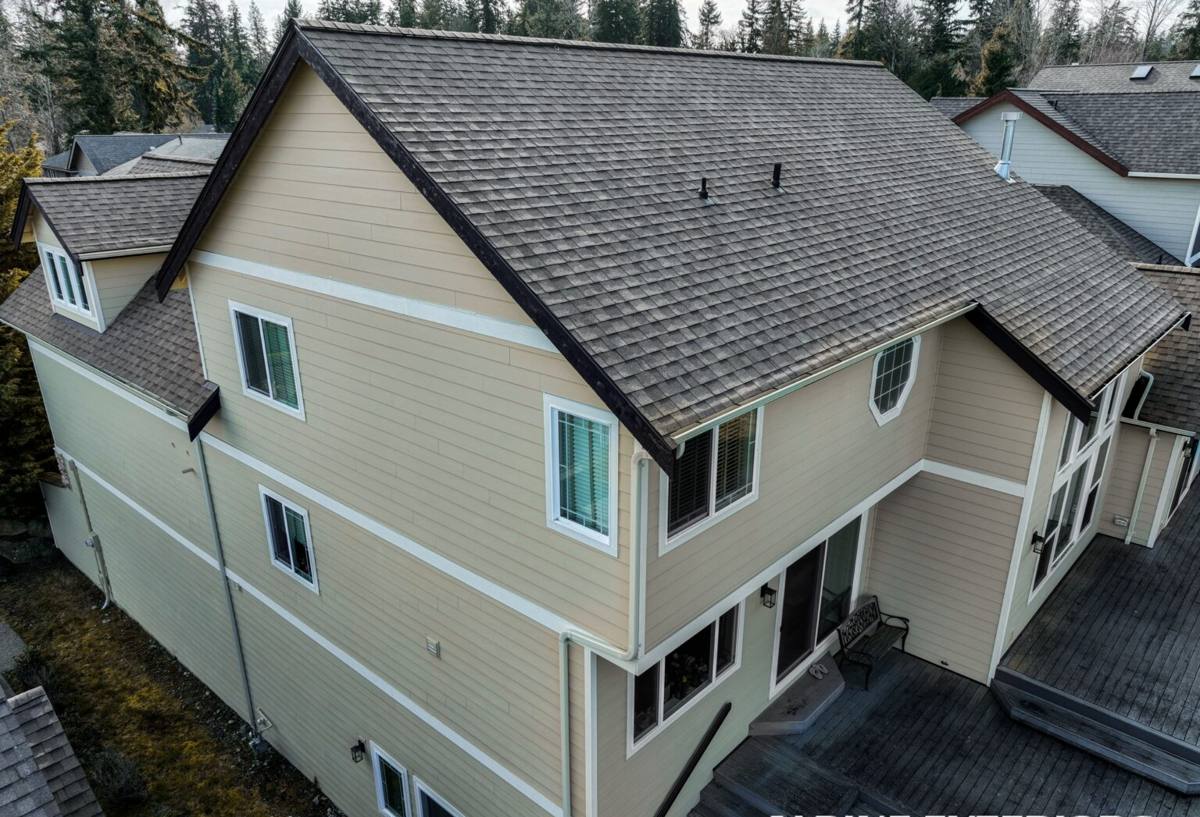
What Coastal Exposure Does to a Deck Over Time
Three environmental factors do most of the damage to decks near the Gulf:
- Salt air corrosion — airborne salt accelerates rust and corrosion on any hardware that isn't rated for coastal use, including fasteners, brackets, and railing hardware.
- Wind load — Pinellas County sits in a high-wind design zone, and barrier island properties see even higher sustained loads and gusts during storms, which puts real stress on framing connections and post attachments.
- UV and heat — near-constant sun exposure fades and dries out lower-grade decking materials faster than in shadier, inland yards, and it affects how hot a deck surface gets underfoot.
None of this means a deck can't hold up well in Redington Shores. It means the materials, fasteners, and framing details have to be chosen with these conditions in mind from the start, not treated as an afterthought.
Fasteners and Hardware Matter More Here Than the Decking Itself
One of the most common issues we see on older coastal decks isn't the decking boards failing — it's the hardware. Standard galvanized fasteners can start showing corrosion within a few years in a salt-air environment, and once fasteners weaken, the structural integrity of the whole deck is in question even if the boards on top still look fine. For any deck we build near the Gulf, we use stainless steel or coated fasteners rated for coastal and treated-lumber exposure, and we pay close attention to joist hangers, post bases, and ledger connections — the parts of a deck you don't see but that actually hold it together in a storm.
Choosing the Right Decking Material
There's no single "best" decking material for every home — it depends on budget, how much upkeep you're willing to do, and how the deck will be used. Here's how the common options compare specifically for a Gulf-front or near-coastal property:
| Material | Salt Air Resistance | Maintenance | Heat Underfoot | Typical Lifespan |
|---|---|---|---|---|
| Pressure-treated wood | Fair — needs regular sealing to hold up | High — annual cleaning and resealing | Moderate | 10-15 years with upkeep |
| Composite decking | Good to very good, depending on the product | Low — periodic washing, no sealing | Can run hot in direct sun | 25+ years |
| PVC/cellular decking | Very good — fully synthetic, doesn't absorb moisture | Low | Varies by color and product | 25-30+ years |
We install all three, and we'll walk you through the real trade-offs rather than pushing whatever has the best margin. Pressure-treated wood costs less up front but asks for real ongoing maintenance to hold up against salt air and rain — skip a season of sealing and it shows. Composite and PVC cost more initially but hold up with far less attention, which matters if you're not planning to reseal a deck every year. The honest answer for most Redington Shores homeowners is that composite or PVC pays for itself in reduced maintenance over the life of the deck, but a well-maintained wood deck is a legitimate choice if you're comfortable with the upkeep.
Framing, Footings, and Wind Resistance
What's under the deck matters as much as what's on top of it. In a high-wind coastal zone, we pay particular attention to:
- Post and footing depth — sized to the loads and soil conditions of the specific site, not a generic minimum.
- Ledger attachment — where a deck ties into the house, this connection has to be flashed and fastened correctly to prevent both structural failure and water intrusion into the home.
- Joist hangers and hurricane ties — metal connectors rated for coastal exposure at every structural joint, not just at the corners.
- Railing posts — properly through-bolted rather than just screwed, since railings take direct wind load.
These details don't show up in a quick visual inspection of a finished deck, which is exactly why they matter — a deck can look identical on the surface while one is built to hold up through a coastal storm season and the other isn't.
Permitting for Decks in Largo and Pinellas County
Deck construction in Largo and the surrounding Pinellas County barrier island communities requires a building permit in most cases, and inspections are part of the process — typically at the footing stage and again at final completion. Barrier island properties like those in Redington Shores can also involve additional review depending on flood zone designation and elevation requirements for the specific lot. We handle the permitting process as part of our build, which means pulling the right permit, scheduling inspections, and making sure the finished structure passes without surprises. Skipping or mishandling permitting is one of the more expensive mistakes a homeowner can run into later — unpermitted structures can complicate home sales and insurance claims down the road.
Our Process, Start to Finish
- Site visit and assessment — we look at the existing structure (if any), the layout of the yard, sun and wind exposure, and how the deck will connect to the house.
- Design and material selection — we go over decking, framing, and railing options with honest trade-offs on cost and maintenance for your specific situation.
- Permitting — we prepare and submit what's needed for the applicable jurisdiction and schedule required inspections.
- Construction — framing first, then decking, railing, and finish work, with attention to the coastal-specific details covered above.
- Final walkthrough — we go over the finished deck with you before calling the job done, and make sure any final inspection is scheduled and passed.
Maintaining a Deck in a Gulf-Front Environment
Even a well-built deck needs some ongoing attention in this climate. A simple maintenance routine goes a long way toward protecting the investment:
- Rinse salt residue off the deck surface and railings periodically, especially after storms with onshore wind.
- Inspect fasteners and railing hardware annually for early signs of corrosion.
- Check that drainage under and around the deck isn't pooling water against posts or footings.
- For wood decking, reseal on the schedule recommended for the specific product — skipping seasons accelerates wear.
- Trim back vegetation that traps moisture against the structure.
- After any major storm, do a visual check of railing posts and stair connections before heavy use.
Mistakes We See on Older Coastal Decks
Repair and rebuild calls in this area tend to trace back to the same few issues: standard (non-coastal-rated) fasteners that corroded years before the decking itself was ready to be replaced, ledger connections that were never properly flashed and let water into the framing or the house wall behind it, and railings that were attached with screws alone instead of through-bolted posts. None of these are visible problems until they become expensive ones. Building it correctly the first time, with the right hardware and connection details, costs less over the life of the deck than repeated repairs.
Why Local Experience on the Island Matters
A deck contractor who regularly works in Redington Shores and similar Gulf-front communities already knows the wind design requirements, the permitting expectations for barrier island properties, and the practical realities of working on these lots — things like limited staging space, protecting landscaping on a smaller coastal lot, and coordinating access on the island. That local familiarity translates into fewer surprises during the project and a deck that's actually built for the conditions it will face, not a generic build dropped into a demanding environment. We've built and repaired decks throughout Largo and the surrounding Pinellas County coastal communities, and we bring that same attention to every Redington Shores project.
If you're planning a new deck or replacing an aging one in Redington Shores, we're happy to come take a look, walk the site with you, and put together a straightforward estimate — no pressure, no hard sell. Use the form below to get in touch and we'll set up a time.