 Largo Siding
 Redington Beach Sits Right at the Edge of What Siding Has to Survive
Redington Beach is a narrow barrier island community, which means almost every home there is within a few blocks of open water on one side or the Intracoastal on the other. That position is what makes the town appealing, and it's also what makes siding selection there different from a job three miles inland in Largo proper. Salt-laden air moves through the neighborhood constantly, not just during storms. Add in Pinellas County's intense year-round UV exposure and the wind-driven rain that comes with any tropical system, and you have a combination that wears out the wrong siding material faster than most homeowners expect.
We install James Hardie fiber cement siding exclusively, and Redington Beach is exactly the kind of environment that explains why. This page focuses on that one product in that one neighborhood — what the local conditions demand, what a correct installation actually involves, and how our process works when we're on an island street with limited staging room and close-set homes.
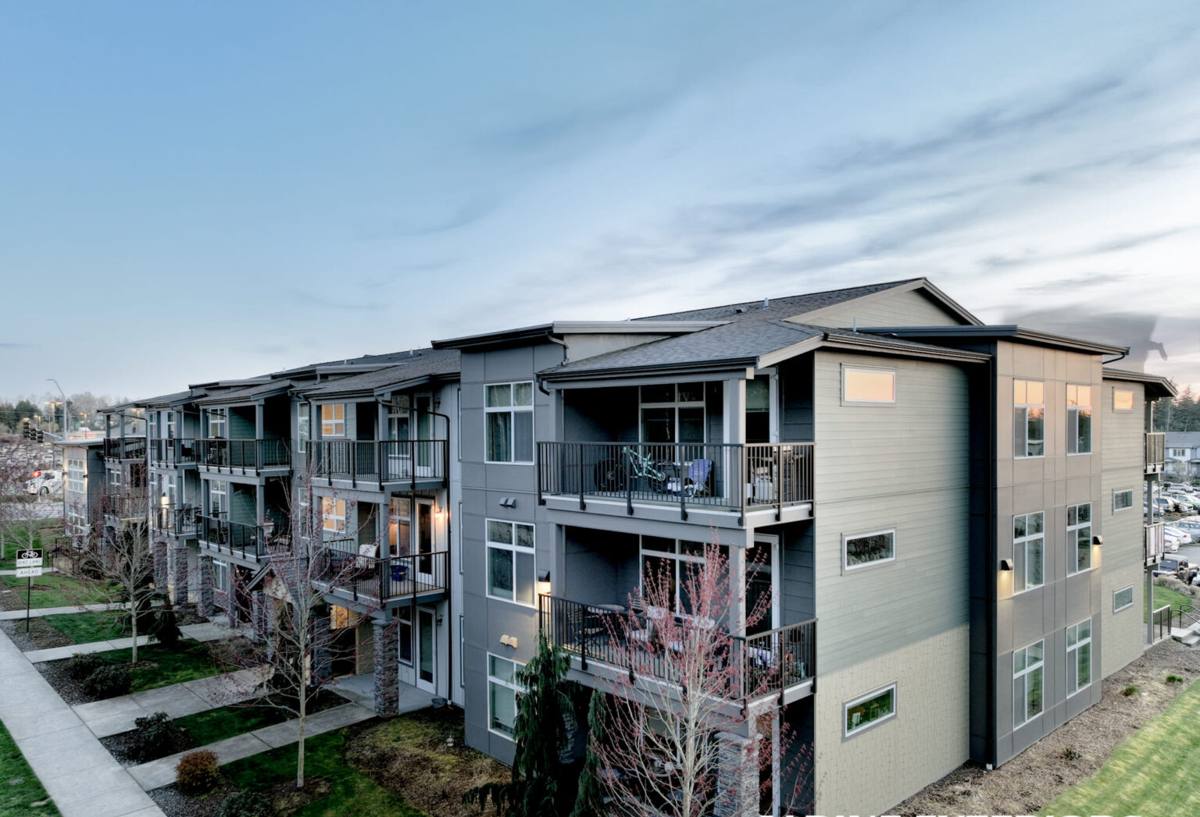
What Salt Air, Sun, and Storm Wind Actually Do to Exterior Siding
It helps to understand the specific mechanisms at work, because they're different from what siding faces in a typical inland subdivision.
Salt Air
Airborne salt is corrosive and hygroscopic — it draws moisture to any surface it settles on. Over years, that constant low-level moisture cycling stresses paint films, fasteners, and any material that isn't dimensionally stable. It's a slow, steady wear pattern rather than a single dramatic event, which is part of why it's easy to underestimate until a siding job starts failing early.
UV Exposure
Florida's sun angle and year-round intensity break down pigments and surface coatings faster than they degrade in most of the country. Siding finishes that aren't engineered for this exposure tend to fade unevenly, chalk, or need repainting on a shorter cycle than the manufacturer's literature assumes for milder climates.
Wind-Driven Rain
During named storms and even routine summer squalls, rain on a barrier island doesn't just fall — it's pushed sideways into wall assemblies at real force. Siding, flashing, and water-resistive barriers all have to work together to keep that water out of the wall cavity. A gap in any one of those layers becomes the entry point.
Why James Hardie Fiber Cement Is What We Install on Homes Like These
James Hardie fiber cement is engineered from cement, sand, and cellulose fiber — it doesn't absorb and swell the way wood-based products can, and it's non-combustible, which matters on tightly packed island lots. The factory-applied ColorPlus finish is baked on under controlled conditions rather than field-sprayed, which gives it materially better UV and fade resistance than a job-site paint job, and it comes backed by a real transferable limited warranty.
We've made a deliberate choice not to install vinyl, LP SmartSide, Cemplank, Allura, or primed wood siding. Each of those products has legitimate uses somewhere, but for a coastal Pinellas County environment specifically, we've seen enough real-world performance differences — moisture sensitivity, coating longevity, or long-term maintenance burden — that we don't put our name behind installing them here. James Hardie is the one product line we're confident holding up to this coastline's combination of salt, sun, and storm exposure when it's installed correctly.
HZ5 Climate-Engineered Formulation
James Hardie makes region-specific HZ (HardieZone) products, and HZ5 is the formulation engineered for hot, humid climates with high moisture exposure — which describes the Tampa Bay coastline generally and a barrier island town like Redington Beach specifically. The table below outlines the practical difference this makes.
| Factor | Standard climate siding | James Hardie HZ5 |
|---|---|---|
| Moisture/humidity engineering | Not formulated for sustained coastal humidity | Engineered specifically for hot, humid, high-moisture regions |
| Finish durability under UV | Varies widely by product and application method | Factory-baked ColorPlus finish rated for extended color/fade performance |
| Combustibility | Varies by material | Non-combustible fiber cement |
| Warranty structure | Varies, often prorated or limited | Transferable limited warranty backed by the manufacturer |
What a Correct James Hardie Installation Involves
The product is only half of what determines how siding performs here. Installation detail is the other half, and it's where a lot of the real-world failures we get called to look at actually originate — not from the siding material itself, but from shortcuts taken during the install.
- Proper clearances: James Hardie specifies minimum gaps from grade, roofing, and decking so water can't wick into the bottom edge of the boards.
- Correct fastener type and spacing: Corrosion-resistant fasteners, placed and spaced to manufacturer spec, matter more in a salt-air environment than almost anywhere else in the state.
- Flashing at every penetration: Windows, doors, hose bibs, and vents all need proper flashing integration so wind-driven rain has nowhere to get behind the siding plane.
- A functioning water-resistive barrier: The house wrap or building paper behind the siding is the backup layer — it has to be installed continuously and lapped correctly, not just present.
- Field-cut edges sealed and primed: Any board cut on-site exposes raw fiber cement that needs to be sealed per manufacturer instructions before it's closed in.
- Joint and butt-seam treatment: Proper caulking or manufacturer-approved joiners at seams, not just tight-fitting boards.
Skipping any one of these doesn't usually show up right away. It shows up two, three, or five years later as a soft spot, a stain line, or a failure right where two trades' work met and nobody double-checked the transition.
Our Process for a Redington Beach Project
1. On-Site Assessment
We walk the home, note the existing wall assembly, check for any moisture damage already present, and look at site-specific factors like proximity to water, prevailing wind exposure, and access for staging materials on a tight island lot.
2. Scope and Product Plan
We spec the HZ5 profile, plank style, and ColorPlus color, and walk through what tear-off versus overlay makes sense given the home's current siding and sheathing condition.
3. Removal and Substrate Check
Old siding comes off and we inspect the sheathing and water-resistive barrier underneath before anything new goes up — this is often the point where hidden moisture issues from a prior installation surface, and it's better to find them now than to close them in again.
4. Installation to Manufacturer Spec
Flashing, fastening, clearances, and sealed cut edges are handled per James Hardie's published installation requirements, not shortcut for speed.
5. Final Walkthrough
We go over the finished work with you, including where the maintenance touchpoints are — caulking joints, paint condition over time — so you know what to keep an eye on going forward.
Why a Crew That Already Works This Coastline Matters
A siding crew that mostly works inland subdivisions can install James Hardie correctly by the book and still miss the details that matter specifically on a barrier island — how much closer to spec the flashing needs to be given the wind-driven rain exposure, how staging works on a narrow lot with little side-yard clearance, or how salt exposure changes which fastener and sealant choices actually hold up. Working Largo and the surrounding Pinellas County coastline, including communities like Redington Beach, regularly means those details aren't an afterthought — they're built into how we scope and execute the job from the start.
Cost Factors for a Redington Beach Siding Project
Every home is different, but these are the main variables that move the price on a coastal fiber cement job. We won't quote a number without seeing the home, but this gives you a sense of what drives the estimate.
| Factor | Why it matters |
|---|---|
| Tear-off vs. overlay | Full removal adds labor but lets us inspect and correct the substrate underneath |
| Home size and wall complexity | More corners, penetrations, and trim details mean more flashing and cutting work |
| Existing moisture or substrate damage | Rot or compromised sheathing found during tear-off needs repair before new siding goes on |
| Plank profile and color selection | ColorPlus colors and specific HZ5 profiles carry different material costs |
| Site access | Narrow island lots with limited staging space can affect labor time |
Maintaining Hardie Siding in a Coastal Environment
- Rinse salt residue off the siding periodically with a garden hose, especially on walls facing the water directly.
- Inspect caulking at joints and trim annually, and re-caulk any cracked or separated sections before the next storm season.
- Keep an eye on areas near sprinklers or irrigation overspray, since constant wetting in one spot accelerates wear even on durable materials.
- After any named storm, walk the exterior and look for lifted edges, cracked boards, or damaged flashing rather than waiting for a problem to become visible from the yard.
- Repaint on the cycle recommended for your ColorPlus finish rather than waiting for visible fading, since coastal UV exposure runs ahead of inland timelines.
If you're weighing a siding replacement or repair on a Redington Beach home, we're glad to come take a look and give you a straightforward, no-pressure estimate — including an honest read on whether tear-off or overlay makes more sense for your specific house.