 Largo Siding
 When Storms Hit Pinellas Park, the Roof Takes the First Hit
Pinellas Park sits in the middle of the peninsula, close enough to Tampa Bay and the Gulf that every named storm, every summer downburst, and every ordinary afternoon thunderstorm puts real load on a roof. Homes here deal with a combination most parts of the country never see at once: hurricane-force wind gusts, wind-driven rain that finds its way in sideways, near-constant UV breakdown of roofing materials, and a steady dose of salt air corroding metal components. None of these show up as a single dramatic event most of the time — they add up, quietly, until a storm finds the weak spot.
This page is about one job: storm damage roof repair for Pinellas Park homes. Not a full re-roof pitch, not a general contractor page — the specific work of assessing what a storm actually did to a roof and fixing it correctly, the first time, so it doesn't come back as a bigger problem after the next system rolls through.
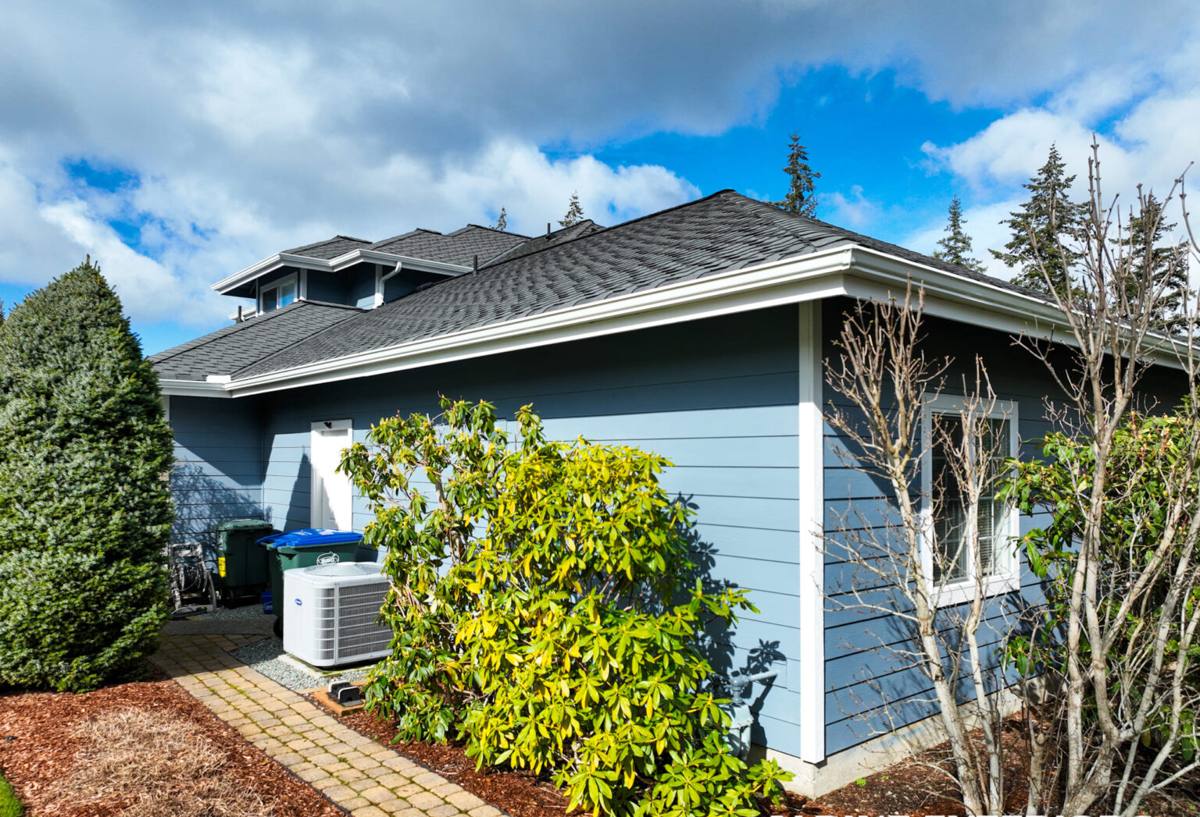
What Storm Damage Actually Looks Like Here
Wind Damage
Sustained wind and gusts lift shingle edges and tab corners before anyone notices a single shingle missing. Once the seal strip breaks loose, that shingle flutters in every wind event after, working itself looser each time. On tile roofs, wind can crack tiles or shift them out of their interlocking pattern without a single one falling off the roof — the damage is there, it's just not visible from the ground.
Wind-Driven Rain and Water Intrusion
Florida rain rarely falls straight down in a storm. When it comes in at an angle, it gets pushed up and under shingle edges, around flashing that's slightly open, and through fastener holes that have backed out over time. This is why interior water stains often show up two or three rooms away from where the actual roof breach is — water follows the deck and rafters before it drips.
Impact and Debris Damage
Hail is less frequent here than wind, but it happens, and so does debris impact from tree limbs and airborne material during tropical systems. Impact damage can bruise the mat under a shingle's granules without breaking the surface — the shingle looks fine from the driveway but has lost its ability to shed water correctly.
Why Pinellas Park's Roofing Stock Changes the Repair Approach
A lot of homes in this part of Pinellas County are mid-century or later builds with asphalt shingle roofs that have been through multiple re-roofs, plus a mix of tile and metal on newer or renovated homes. Roof age matters more here than in drier climates, because UV exposure in Florida ages asphalt roughly twice as fast as it does in northern states — a 15-year-rated shingle here behaves more like a 10 to 12-year shingle in practice. That means a storm that would be a minor, cosmetic event on a newer roof can expose serious underlying wear on an older one.
Salt air is the other local factor. Even a few miles inland from the bay, it accelerates corrosion on exposed fasteners, drip edge, and metal flashing. When we're repairing storm damage, we're not just replacing what broke — we're checking whether the metal around it has already been quietly weakened by salt exposure and would fail in the next storm regardless.
How We Handle a Storm Damage Repair Call
- Ground and roof-level inspection. We check the whole roof, not just the area you're worried about — storms rarely damage only one spot, and adjacent areas with borderline damage are cheaper to fix now than after the next storm finishes the job.
- Interior check. If there's any sign of water intrusion, we trace it back through the attic where accessible, since the entry point on the roof and the stain on the ceiling are often not in the same spot.
- Written assessment. You get a clear explanation of what's damaged, what's simply worn, and what's fine — in plain language, with photos, before any work starts.
- Repair or targeted replacement. Most storm calls are section repairs: shingles, flashing, underlayment in the affected area. We only recommend full replacement when the roof's overall condition genuinely calls for it.
- Final check and cleanup. We verify the repair sheds water correctly and clear debris and old material from the property.
Repair vs. Replace: What Actually Drives the Decision
| Factor | Leans Toward Repair | Leans Toward Replacement |
|---|---|---|
| Roof age | Under 10–12 years, good general condition | Already near or past expected service life |
| Extent of damage | Isolated to one or two areas | Scattered across multiple slopes |
| Prior repairs | Few or no previous patches | Multiple past patches already in that area |
| Underlying deck condition | Solid, dry decking | Soft spots or rot found during inspection |
| Insurance scope | Adjuster scopes a repair | Adjuster or engineer scopes full slope/roof |
We'll always tell you honestly which side of this table your roof falls on. A repair that's done right can add years of service life to an otherwise sound roof — but we won't sell a patch on a roof that's genuinely at the end of its life just because it's the smaller job.
Working With Insurance on a Storm Claim
Most storm damage repair jobs in Pinellas Park involve an insurance claim, and the process goes smoother when the documentation is solid from the start. We provide photos and a written scope of the damage that you can hand directly to your adjuster or claims process. We don't file the claim for you or represent ourselves as your public adjuster — that's not our role — but we make sure the roofing side of the paperwork is accurate and complete, which matters when an adjuster is deciding what's storm-related versus pre-existing wear.
One honest note: insurers increasingly scrutinize the difference between storm damage and ordinary age-related wear, especially on older roofs. That's exactly why our written assessment separates the two categories clearly rather than labeling everything as storm damage.
Materials We Use in Storm Repairs
For asphalt shingle repairs, we match the existing shingle profile as closely as possible and use a self-sealing shingle rated for high-wind installation, with proper nailing pattern rather than the minimum fastener count some lower-bid repairs rely on. For flashing and drip edge, we use corrosion-resistant metal given the salt air exposure in this area — cheaper galvanized flashing tends to show rust within a few years here, which just means redoing the work sooner. Underlayment gets replaced, not reused, in any area we open up, since old underlayment that's already been wet once rarely performs the same way again.
We're straightforward about trade-offs rather than picking materials for looks alone. A wider, more visible metal flashing detail might not match the roofline as cleanly as a minimal one, but it sheds wind-driven rain better in this climate — we'll explain the reasoning and let you decide if appearance or performance matters more in a given spot.
After a Storm: A Practical Checklist
- Do a ground-level visual check from a safe distance — missing shingles, dented vents, or debris on the roof are visible without climbing up.
- Check ceilings and upper closets for new water stains, even faint ones.
- Photograph anything visible before cleanup, for your records and any potential claim.
- Don't walk on a wet or storm-damaged roof yourself — loosened shingles and tiles are easy to make worse.
- Don't sign a repair agreement with a storm-chasing crew you can't verify locally — get a second opinion if anyone pressures for an on-the-spot signature.
- Call for an inspection even if damage seems minor — small entry points cause the most drawn-out interior damage over time.
Why a Crew That Already Works Pinellas Park Matters
After a major storm moves through Pinellas County, out-of-area crews show up looking for quick work and are gone before the season is out. A local Largo-based crew that already works in Pinellas Park has a reason to stand behind the repair next year, and the year after — reputation here is built on roofs that hold up through the next storm, not just through the first inspection. We're familiar with the roofing stock in this area, the way local weather patterns actually stress a roof, and what documentation Pinellas County insurers expect to see.
If you've got storm damage on a Pinellas Park roof — or you're just not sure whether what you're looking at is storm damage or ordinary wear — we're happy to take a look. Fill out the form below for a free, no-pressure estimate and honest read on what your roof actually needs.