 Largo Siding
 Metal Roofing Built for Pinellas Park's Climate
Pinellas Park sits in the middle of one of the toughest roofing environments in the country. It's close enough to Tampa Bay and the Gulf to pick up salt-laden air, exposed to the same hurricane-season wind events that hit the rest of Pinellas County, and under a sun load that runs nearly year-round. A roof here isn't just shedding rain — it's absorbing UV radiation for ten or eleven months a year, flexing under wind gusts, and fighting off corrosion from airborne salt. Metal roofing, installed correctly, handles all three of those stresses better than most other roofing materials available to homeowners in this area.
That last phrase — installed correctly — matters more with metal than with almost any other roofing system. Metal roofing is unforgiving of shortcuts. Fastener spacing, panel expansion allowance, flashing detail, and underlayment choice all have a much bigger effect on long-term performance than they do with a standard shingle roof. A metal roof done right in Pinellas Park can outlast two or three shingle roofs. A metal roof done wrong can leak, oil-can, or loosen panels within a few storm seasons. This page is about what "done right" actually looks like for this specific area.
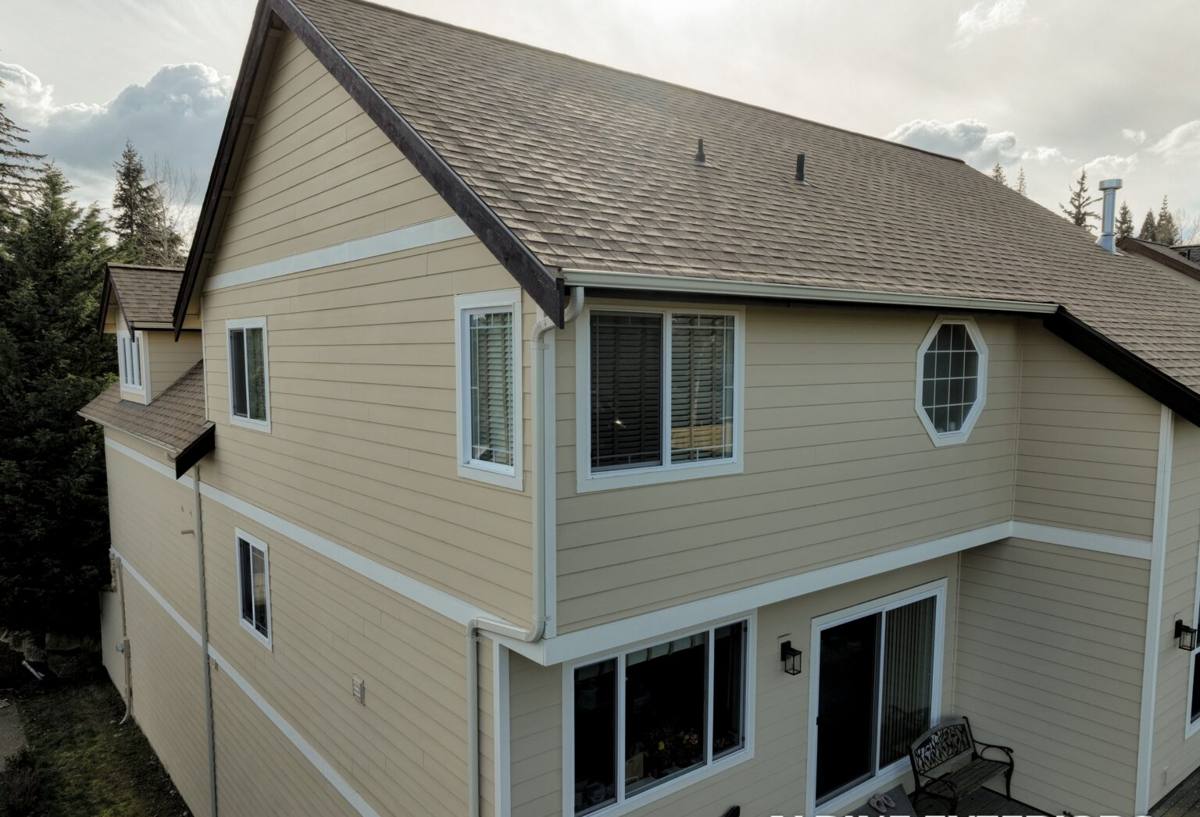
Why Local Homes Need a Roofing System That Handles Wind, UV, and Salt Together
Hurricane-Force Wind
Pinellas County homes are built to wind-resistance codes for a reason. Wind doesn't just push on a roof — it creates uplift, the same aerodynamic force that lifts an airplane wing, and that uplift is what pulls poorly fastened panels and shingles off a roof. Metal roofing systems rated for high-wind exposure use tighter fastening patterns, concealed clip systems on standing seam profiles, and engineered panel-to-panel seams specifically to resist uplift. The rating on the box only means something if the installation matches it.
Year-Round UV Exposure
Florida's sun doesn't take an off-season. UV breaks down organic roofing materials from the surface down, which is why asphalt shingles in this climate lose granules and become brittle faster than the same product would in a northern state. Quality metal roofing with a baked-on paint finish (typically a PVDF/Kynar-type coating on higher-end panels) resists UV degradation far longer, holding color and reflectivity instead of chalking and fading.
Wind-Driven Rain
Straight-down rain is easy to shed. Wind-driven rain — the kind that comes in sideways during a tropical system — finds every weak seam, fastener penetration, and flashing detail on a roof. Metal roofing's continuous panel runs and mechanically seamed joints give wind-driven rain far fewer entry points than a shingle roof's overlapping-tab design, provided the underlayment and flashing were installed to handle water that does get past the surface.
Salt Air Corrosion
Proximity to the Gulf and Tampa Bay means airborne salt settles on every exterior surface in the area, including roofing. Bare or poorly coated metal will corrode faster near coastal air. This is a material and fastener selection issue as much as an installation one — it's addressed in the next section.
What a Correct Metal Roof Installation Involves
A metal roof is a system, not just a set of panels. Each layer does a specific job, and skipping or downgrading any one of them shows up as a problem within a few years, not decades.
- Structural deck inspection — confirming the existing roof deck is sound before anything goes on top of it; metal is unforgiving of a soft or rotted deck
- High-temperature, self-adhering underlayment — a synthetic or peel-and-stick underlayment rated for Florida's heat, providing a secondary water barrier if wind-driven rain ever gets past the panels
- Corrosion-appropriate fastener and clip selection — matched metallurgy between panels, clips, and fasteners to prevent galvanic corrosion, which accelerates in salt air when dissimilar metals are mixed
- Correct panel fastening pattern for the wind exposure — spacing and clip type set to the actual wind rating needed for this location, not a generic minimum
- Properly detailed flashing at every penetration — vents, chimneys, skylights, and wall transitions are where most metal roof leaks actually originate, not the open field of panels
- Allowance for thermal expansion — metal panels expand and contract with Florida's daily heat swings; fastening systems need to accommodate that movement without binding or loosening over time
- Edge and eave detail — drip edges and eave flashing set up to control wind uplift starting at the roof's most vulnerable edge
Choosing a Metal Roofing Profile: What Fits Pinellas Park Homes
| Profile Type | Typical Use | Wind & Water Performance | Maintenance |
|---|---|---|---|
| Standing seam | Full roof replacement, higher-end homes | Concealed fasteners, strongest wind uplift resistance, best water-shedding seam design | Low — no exposed fasteners to re-seal over time |
| Exposed-fastener panel | Budget-conscious replacements, outbuildings, additions | Good wind performance when installed correctly; seams and fasteners are more exposed to weathering | Moderate — fastener washers and sealant should be checked periodically |
| Metal shingle / shake profile | Homes wanting a traditional look with metal's durability | Comparable wind rating to standing seam when installed to spec; more seams than standing seam | Low to moderate |
We don't push one profile as universally "best" — the right choice depends on the home's roof pitch, the look the owner wants, and budget. What we won't do is install a system that's mismatched to this area's wind and salt exposure just because it's cheaper up front. That's a trade-off we'll walk through honestly during an estimate, not decide for the homeowner without explanation.
Repair, Recoat, or Full Replacement — How We Evaluate an Existing Metal Roof
Not every metal roofing call in Pinellas Park ends in a full replacement. When we're asked to look at an existing metal roof, we're checking for a specific set of issues before recommending anything:
- Fastener backout or washer degradation on exposed-fastener panels — a common and usually repairable issue on older installations
- Seam separation or panel movement from thermal cycling over many years
- Corrosion starting at cut edges, fastener penetrations, or wherever dissimilar metals contact each other
- Flashing failure at penetrations and wall transitions, which is where the large majority of metal roof leaks actually start
- Coating breakdown or chalking from prolonged UV exposure, which affects appearance and reflectivity but not always structural integrity
If the panels and structure are sound, a repair or a recoat can extend the roof's service life significantly for a fraction of replacement cost. If the underlying issues are systemic — widespread corrosion, a failed underlayment, or an original installation that wasn't detailed correctly — we'll say so plainly and explain why patching it further isn't the honest recommendation.
Our Process for Pinellas Park Metal Roofing Projects
1. On-Site Assessment
We look at the existing roof (or the deck, for new installations), note the roof's pitch and exposure, and talk through what the homeowner actually wants — full replacement, repair, or a recoat.
2. Written Scope and Straightforward Estimate
Panel profile, gauge, coating type, underlayment, and fastening spec are laid out in writing before any work starts, so there's no ambiguity about what's being installed and why.
3. Deck Prep and Underlayment
Any deck repairs are handled first. High-temperature underlayment goes down next, with careful attention to laps and penetrations.
4. Panel Installation
Panels are installed to the fastening and clip spacing appropriate for this area's wind exposure, with flashing detailed at every vent, wall, and penetration as it's encountered — not left for a final walk-through.
5. Final Walk-Through
We review the completed roof with the homeowner, point out anything that needs periodic attention (fastener checks on exposed-fastener systems, for example), and answer questions about care going forward.
Maintaining a Metal Roof in a Coastal, Storm-Exposed Area
Metal roofing is low-maintenance compared to most alternatives, but "low-maintenance" isn't "no-maintenance" — especially this close to the Gulf. A short annual routine goes a long way:
- Rinse off accumulated salt residue and debris, particularly after dry spells followed by storms
- Check exposed fasteners for backout or washer wear if the roof uses an exposed-fastener panel system
- Clear gutters and valleys so water isn't sitting against panel edges or flashing
- Look at flashing around vents, skylights, and wall transitions after major wind events
- Watch for any scratches or exposed cut edges where the protective coating may have been compromised, since that's where corrosion starts
None of this requires a specialist visit every time — most of it is a five-minute check from the ground with binoculars or after climbing into the attic to look for daylight or staining. A yearly professional look after hurricane season is a reasonable habit in this part of Florida.
Why Hiring a Crew That Already Works in Pinellas Park Matters
Metal roofing installation quality varies enormously between contractors, and the consequences of a bad installation don't show up on day one — they show up two or three storm seasons later, as a loosening panel or a slow leak that's hard to trace. A crew that regularly works in Pinellas Park and the surrounding Largo area already understands the wind exposure this location sees, has already dealt with the salt-air corrosion questions that come with proximity to the water, and isn't guessing at fastening specs from a manufacturer's minimum-code chart. That local familiarity translates directly into fewer callbacks and a roof that performs the way it's supposed to when the next storm comes through.
It also means we're not learning the permitting and inspection process for this jurisdiction on the homeowner's project. Local experience is not a marketing phrase here — it's the difference between a roofer who knows what this climate does to a roof over ten years and one who's installing here for the first time.
Get a Free, No-Pressure Estimate
If you're weighing a new metal roof, wondering whether an existing one needs repair or replacement, or just want a straight answer about whether metal is the right fit for your home, we're glad to take a look. Use the form below to request a free estimate for your Pinellas Park property — no pressure, no obligation, just an honest assessment.