 Largo Siding
 Metal Roofing in Oldsmar: Built for This Coastline, Not a Generic Climate
Oldsmar sits along Old Tampa Bay in Pinellas County, and that location cuts both ways. Homes here get the water views and the bay breeze, but they also take the full brunt of what Tampa Bay weather throws at a roof: hurricane-force wind gusts during tropical systems, wind-driven rain that finds every weak seam, salt-laden air that accelerates corrosion, and some of the most intense year-round UV exposure in the continental United States. A roofing product that performs fine in a drier, milder climate can fail early here if it wasn't chosen or installed with these specific stresses in mind.
Metal roofing, done correctly, is one of the strongest answers to that combination. It's not a fad — it's a material category that, when matched to the right profile, fastening system, and underlayment for a coastal Pinellas County home, holds up to wind uplift, sheds rain fast, and doesn't degrade under UV the way some organic-based roofing materials do over time. But "metal roof" isn't one product. The difference between a roof that performs for decades and one that develops leaks, streaking, or fastener failure within a few years almost always comes down to specification and installation quality, not the metal itself.
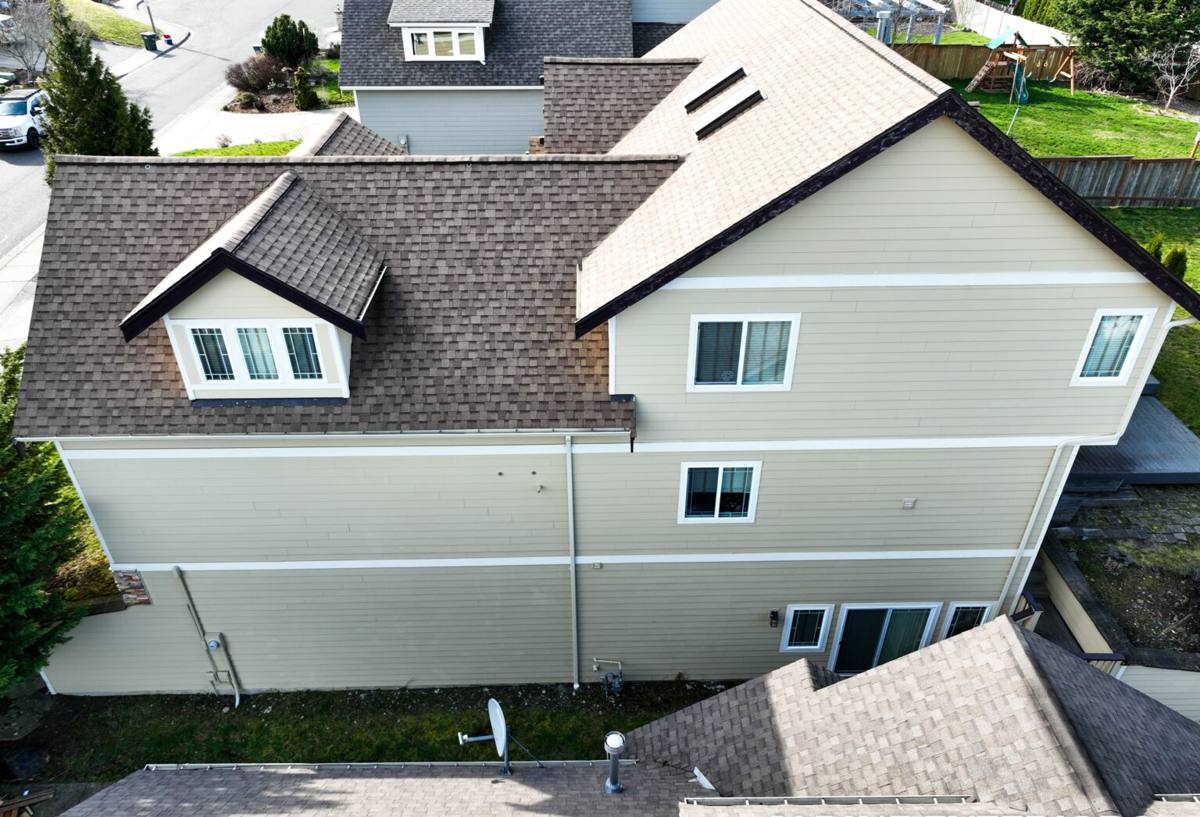
What Oldsmar's Climate Actually Demands From a Roof
Wind Uplift
During tropical storms and hurricanes, wind doesn't just push on a roof — it creates uplift pressure that tries to peel roofing material away from the deck, starting at edges, ridges, and corners. Metal roofing systems resist this well when the panel profile, fastening pattern, and edge detailing are matched to Florida's wind zone requirements. A system installed with the wrong fastener spacing or the wrong panel-to-clip design can still fail in a serious wind event, even though the material itself is rated for it.
Wind-Driven Rain
Straight-down rain is easy for almost any roof to handle. Wind-driven rain — rain being pushed sideways and even upward under panel laps — is what actually causes leaks in Florida. This is an underlayment and flashing problem as much as a metal problem. A correct installation uses a self-adhering, high-temperature underlayment at vulnerable areas (valleys, penetrations, wall transitions) and properly lapped, sealed panel seams so water has nowhere to travel except off the roof.
UV and Heat Cycling
Pinellas County roofs spend most of the year under intense sun. That UV exposure breaks down unprotected coatings and accelerates the aging of lesser finishes. It also drives daily heat-expansion cycling, where metal panels expand and contract as temperatures swing from a cool morning to a hot afternoon. Fastening systems and panel profiles need to accommodate that movement — fixed, rigid fastening on a long panel run without room to move is a common cause of oil-canning and eventual fastener stress.
Salt Air Corrosion
Being near Old Tampa Bay means salt content in the air is higher than it is further inland. That accelerates corrosion on fasteners, cut edges, and any coating that isn't rated for coastal exposure. Material choice, finish quality, and even how cut panel edges are treated all affect how well a roof resists this over a 20-30 year lifespan.
Choosing the Right Metal Roofing System for an Oldsmar Home
Not every metal roofing product is a good fit for every home or budget. Here's an honest breakdown of what we typically discuss with homeowners:
| System Type | Best Suited For | Key Trade-Off |
|---|---|---|
| Standing seam panels | Homes wanting maximum wind and water performance, longer-term investment | Higher upfront cost, but no exposed fasteners to maintain |
| Exposed-fastener metal panels | Budget-conscious projects, outbuildings, some residential applications | Exposed fasteners require periodic inspection and eventual re-torquing or replacement |
| Stone-coated steel | Homeowners wanting a shingle or tile appearance with metal's wind/fire performance | More installation detail work around coating edges and cuts |
| Aluminum panel systems | Homes very close to the water where corrosion resistance is the top priority | Softer material, needs careful handling during install to avoid denting |
We walk homeowners through these trade-offs honestly rather than pushing one system for every job. The right choice depends on the home's exposure, roof geometry, and how long the homeowner plans to own the property.
What a Correct Metal Roof Installation Actually Involves
A metal roof is only as good as the layers underneath it. Here's what we consider non-negotiable on every project:
- Deck inspection and repair before anything goes down — metal telegraphs deck problems, it doesn't hide them
- A high-temperature, self-adhering underlayment in valleys, around penetrations, and at wall/roof transitions
- Panel and clip systems specified for the home's wind exposure, not a one-size-fits-all fastening pattern
- Properly formed and sealed flashing at every penetration — vents, chimneys, skylights
- Fastener spacing and torque set to manufacturer specification, not "close enough"
- Ridge and hip capping installed with ventilation in mind so the attic can breathe
- Cut edges treated or coated to resist the corrosion risk that comes with proximity to the bay
Skipping any one of these doesn't usually cause an immediate problem — it causes a problem in year three or year eight, which is exactly why cutting corners on a roof installation is a bad trade for the homeowner even when it saves money upfront.
Our Process for Oldsmar Metal Roofing Projects
1. On-Site Assessment
We inspect the existing roof, deck condition, ventilation, and any problem areas — valleys, chimneys, dormers — before recommending a system. We also look at how exposed the home is to prevailing wind and whether it's close enough to the water that corrosion resistance should weigh more heavily in material choice.
2. Honest Scope and System Recommendation
We explain the trade-offs between panel systems in plain terms, tied to what your specific home and budget call for — not a default upsell.
3. Permitting
Metal roofing work in Pinellas County requires permitting and inspection. We handle that process so the finished roof is documented and compliant, which also matters for insurance and resale.
4. Installation
Deck repair first, then underlayment, then panels, flashing, and ridge detail — in that order, with no shortcuts on fastening or sealing.
5. Final Walkthrough
We walk the finished roof with the homeowner, review what was done, and go over any maintenance basics specific to the system installed.
Why a Crew That Already Works Oldsmar Matters
Roofing crews that only occasionally work this part of Pinellas County can miss things a local crew catches automatically: how a home's roof geometry interacts with wind coming off the bay, which valley and penetration details tend to be problem spots on homes of a similar age and construction in this area, and what local permitting and inspection actually require in practice, not just on paper. A crew with an established local presence also isn't going anywhere after the invoice is paid — a straightforward advantage when it comes to warranty follow-up or a question that comes up two years down the line.
We're a Largo-based siding and exterior crew, and metal roofing work in communities like Oldsmar is a regular part of what we do — not a one-off drive-in job.
Maintenance: What Actually Keeps a Metal Roof Performing
Metal roofing is low-maintenance compared to most alternatives, but "low" isn't "zero." A short annual routine goes a long way in this climate:
- Visually check for loose or lifted panels after any major storm
- Clear debris from valleys and around penetrations so water doesn't pool
- Check exposed fasteners (if applicable) for backing out or surface corrosion
- Keep an eye on sealant at flashing points — sealant is the first thing UV exposure wears down
- Have a professional inspection every few years, especially after the roof has weathered a hurricane season or two
Cost Factors Homeowners Should Actually Weigh
Metal roofing costs more upfront than asphalt shingles, and the spread between panel systems can be significant. Rather than quote a number that won't reflect your specific roof, here's what actually drives the price on a real project:
| Factor | Why It Matters |
|---|---|
| Roof complexity (valleys, dormers, penetrations) | More cuts, flashing, and labor hours |
| Panel system chosen | Standing seam costs more than exposed-fastener panel systems |
| Deck condition | Rot or damage found during tear-off adds repair cost |
| Underlayment specification | Higher-grade, high-temp underlayment costs more but performs better long-term |
| Home's coastal exposure | May justify upgrading to a more corrosion-resistant material or finish |
We provide a detailed, itemized quote after the on-site assessment so you're seeing real numbers for your roof, not a generic estimate.
If you're weighing a metal roof for your Oldsmar home, we're happy to walk the roof, answer questions honestly, and put together a no-pressure estimate — just fill out the form below.