 Largo Siding
 New Roof Installation for Pinellas Park Homes
Pinellas Park sits in a tight pocket of central Pinellas County, wedged between Largo and the bay, which means its homes take on the same weather load as the rest of the barrier-island and mainland communities around them: heavy sun, salt-laden air moving in off the water, and the real chance of a hurricane or tropical system rolling through most years. A roof here isn't just a cosmetic layer — it's the single component standing between your house and that weather, every day of the year.
We install new roofs for homeowners throughout the Largo and Pinellas Park area, and this page covers what actually goes into doing that job right in this specific climate, not a generic rundown that could apply anywhere in the country.
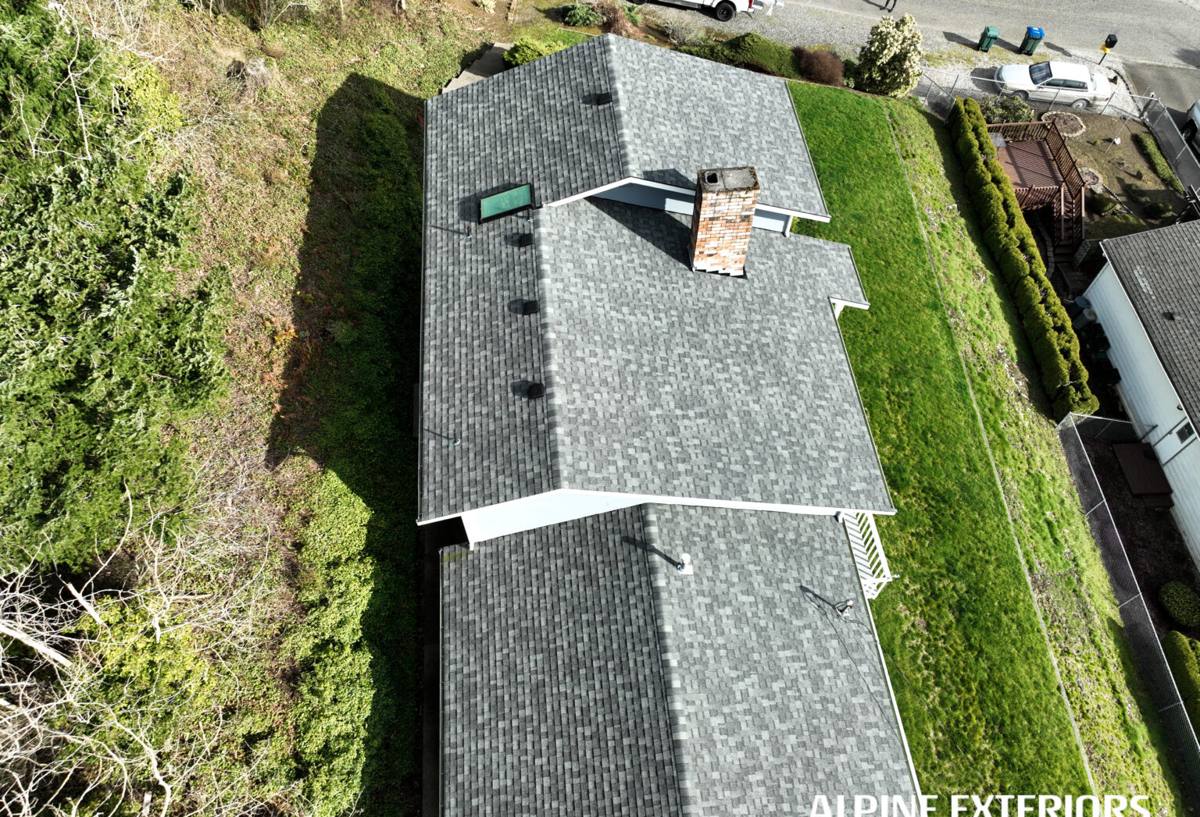
What Pinellas Park's Climate Actually Does to a Roof
Four things wear out roofs faster here than in most of the country, and a correct installation has to account for all four at once:
- Hurricane-force wind: Even roofs that never take a direct hit see repeated straight-line gusts during tropical storms and seasonal fronts. Fastening patterns and edge detailing that pass code in calmer regions aren't enough here.
- Year-round, high-angle UV: Florida sun degrades asphalt and adhesives faster than northern climates. Shingles rated for a 25-30 year lifespan up north commonly run shorter here simply from UV exposure.
- Wind-driven rain: The danger with tropical weather usually isn't rain falling straight down — it's rain being pushed sideways and up under laps, ridge caps, and flashing. Underlayment and flashing detail matter more here than shingle brand.
- Salt air: Pinellas Park isn't beachfront, but it's close enough to the bay and Gulf that airborne salt reaches exposed metal — fasteners, flashing, vents, drip edge — and accelerates corrosion over time.
Any one of these is manageable on its own. Together, they're why a roof installed with generic, catalog-spec materials and standard nailing often underperforms here compared to the same roof done with local conditions in mind.
Signs a Pinellas Park Home Needs a New Roof, Not a Repair
Homeowners often call us after a repair, wanting to know if it's worth doing again or if it's time to replace. A few honest markers:
Age and material lifespan
Most asphalt shingle roofs in this climate are realistically in replacement territory by the 15-20 year mark, sooner if the attic is poorly ventilated or the roof has taken repeated storm damage over the years. Tile and metal roofs last longer, but the underlayment beneath them still ages on its own timeline and can fail before the surface material does.
Recurring leaks in different spots
One leak at one penetration is a repair. Leaks showing up in new locations after each storm season usually mean the underlayment has broken down system-wide, and patching individual spots is just delaying the same conversation.
Granule loss and visible wind damage
Heavy granule loss, cupping or curling shingles, and creased or lifted tabs after high wind events are signs the material has reached the end of its service life, even if it isn't actively leaking yet.
What a Correct Roof Installation Involves
A new roof is more than laying new shingles over what's there. Done properly, it includes several layers of protection that work together:
Deck inspection and repair
Once the old roofing is off, the plywood or OSB deck underneath gets inspected for soft spots, rot, or delamination — common where old flashing or ventilation has let moisture in over the years. Any compromised deck sections get replaced before anything new goes down; installing over a bad deck undermines everything above it.
Underlayment built for wind-driven rain
We use synthetic or self-adhering underlayment systems suited to this climate, with special attention to valleys, eaves, and any area prone to wind-driven rain intrusion — not just a single layer of standard felt.
Flashing at every penetration and edge
Chimneys, vents, skylights, walls, and roof edges are the most common failure points in any roof, in any climate. Correct flashing detail here is non-negotiable, since it's usually the difference between a roof that survives a tropical system cleanly and one that leaks from the first hard-driven rain.
Ventilation that matches the assembly
Proper intake and exhaust ventilation keeps attic temperatures and moisture in check, which extends the life of the roofing material and helps prevent the kind of heat buildup that shortens shingle lifespan in Florida's sun.
Wind-rated fastening
Nailing pattern, fastener count, and fastener placement are set to meet Florida Building Code wind requirements for this area, not a minimum national standard. This is one of the most commonly shortcut details on a rushed job, and it's the one that matters most when a storm actually arrives.
Roofing Material Options for Pinellas Park Homes
There's no single "best" roofing material — the right choice depends on budget, roof shape, and how long you plan to be in the home. Here's an honest comparison of the main options we install:
| Material | Typical Lifespan Here | Wind/Storm Performance | Cost Factor |
|---|---|---|---|
| Architectural asphalt shingle | 15-25 years | Good when installed with proper fastening and flashing; most common choice | Lowest upfront cost |
| 3-tab asphalt shingle | 12-18 years | Lower wind rating than architectural shingles; less common on new installs here | Lower cost, shorter life |
| Metal (standing seam or panel) | 30-50 years | Excellent wind resistance and salt-air durability when properly coated | Higher upfront cost |
| Concrete or clay tile | 30-50+ years | Strong wind performance when correctly fastened; underlayment life still limits the system | Highest upfront cost |
For most Pinellas Park homes, architectural shingle remains the practical middle ground: solid wind performance, reasonable cost, and a straightforward path to insurance-friendly wind mitigation credits when installed to current code. Metal and tile earn their higher price tag through longevity, which matters more for homeowners planning to stay put for decades.
Our Installation Process
- On-site inspection and estimate. We walk the roof, check the attic where accessible, and give you a straight assessment — repair versus replace, and why.
- Material and scope walkthrough. We go over material options, what your current roof's condition calls for, and a written scope before any work starts.
- Permitting. Roof replacements in Pinellas County require a permit; we handle the paperwork and inspections tied to it.
- Tear-off and deck inspection. Old roofing comes off, the deck is inspected, and any needed repairs are done and documented before covering.
- Underlayment, flashing, and ventilation installation. Every penetration and edge gets proper flashing; ventilation is checked and corrected if needed.
- Roofing material installation to code. Installed to current Florida Building Code wind requirements for this area, not a lesser standard.
- Final inspection and cleanup. County inspection, magnetic sweep for stray nails, and a final walkthrough with you.
Permits, Wind Mitigation, and Insurance
A new roof in Pinellas County isn't a handshake job — it requires a building permit and inspections, and skipping that step can come back to bite you at resale or if you ever file an insurance claim tied to the roof. We pull the required permits and schedule the inspections as part of the job, not as an afterthought.
Once a new roof is installed to current code, it's also worth having a wind mitigation inspection done. Insurers in Florida offer premium credits for features like improved roof-to-wall connections, secondary water barriers, and code-compliant fastening — savings that can offset part of the cost of the new roof over time. We can point you toward what a wind mitigation inspector will be looking for, since it overlaps directly with what a correct installation already includes.
Why a Crew That Already Works Pinellas Park Matters
Roofing code requirements, permitting steps, and typical construction details vary by jurisdiction, and Pinellas County has its own permitting process separate from neighboring counties. A crew that regularly works in Largo and Pinellas Park already knows the local permitting steps, has relationships with the local inspectors, and has seen firsthand how roofs in this specific area hold up — or don't — after storm seasons. That local track record is worth more than a lower bid from a crew that's never worked here before and is learning the area's requirements on your project.
Before You Hire: A Practical Checklist
- Confirm the contractor is licensed to work in Florida and carries current liability and workers' compensation insurance.
- Ask for a written scope of work, not just a price — it should spell out materials, underlayment type, and flashing details.
- Confirm the contractor will pull the required Pinellas County permit and schedule inspections, rather than asking you to skip it.
- Ask how the deck will be inspected and what happens if rot or damage is found underneath the old roofing.
- Get manufacturer warranty terms and workmanship warranty terms in writing, and understand what each one actually covers.
- Ask whether the crew doing the physical work is employed directly or subcontracted, and who is accountable if something goes wrong.
Get a Straight Answer About Your Roof
If your roof in Pinellas Park is aging, has taken storm damage, or you're just not sure whether it needs a repair or a full replacement, we're happy to take a look and give you an honest read — no pressure, no hard sell. Use the form below to request a free estimate, and we'll walk you through exactly what your home needs and why.