 Largo Siding
 Madeira Beach Siding Has to Work Harder Than Inland Siding
Madeira Beach sits right on the Gulf, and that barrier island location changes what "good siding" means. A wall system that holds up fine a few miles inland in Largo can fail years early once it's exposed to direct salt spray, near-constant onshore wind, and sun that doesn't let up for most of the year. If you're planning a re-side or a repair on a Madeira Beach home, the material and the installation both need to be chosen with that environment in mind, not treated like a generic Pinellas County job.
We install exclusively James Hardie fiber cement siding, and we don't treat that as a marketing point — it's a professional standard we've settled on after seeing how different products actually perform in this kind of exposure over time. This page walks through what Madeira Beach's climate demands, what a correct fiber cement installation looks like, and how our process is built around this specific area.
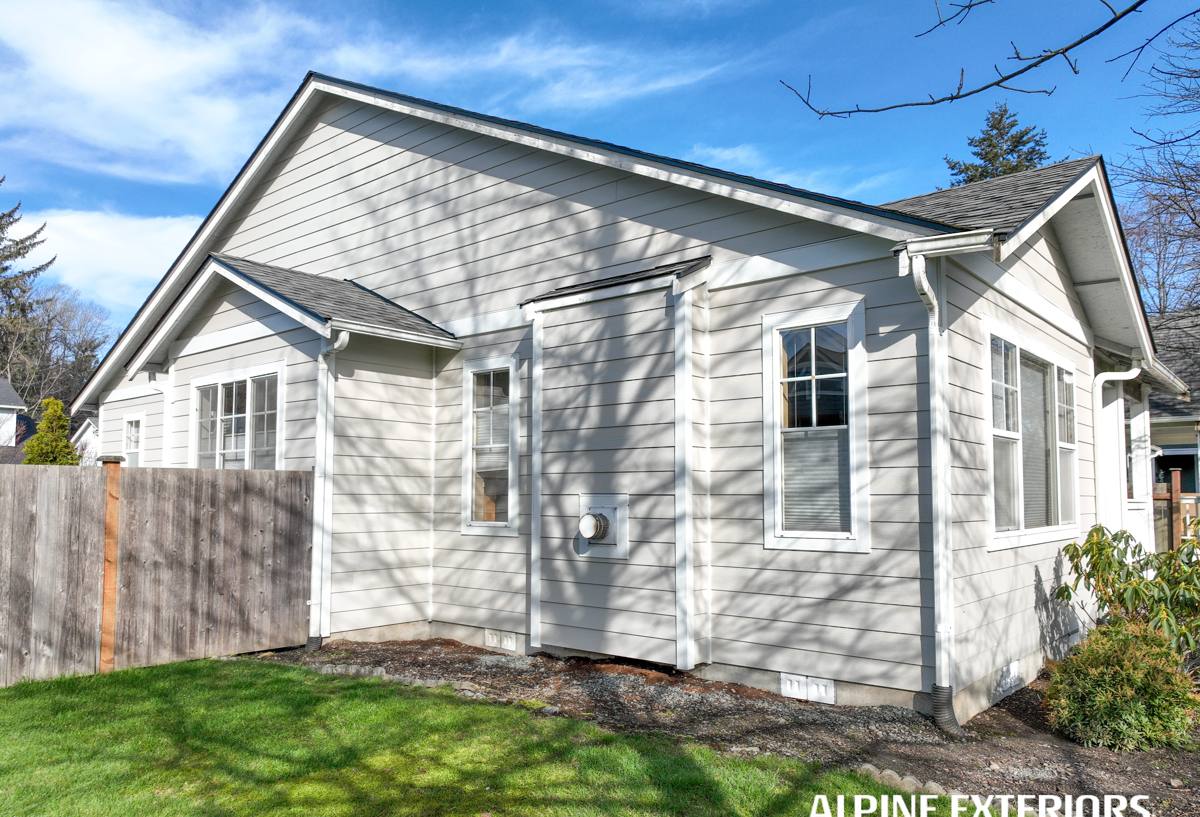
What the Coastal Environment Actually Does to Siding
Salt Air and Corrosion
Salt-laden air doesn't just sit on the surface of your siding — it works into fasteners, trim edges, and any exposed metal. Over years, that accelerates corrosion in anything not rated for coastal exposure, which shows up as staining, streaking, and eventually loosened or failed connections at the wall. Fastener choice and flashing material matter as much as the siding panel itself.
Wind-Driven Rain
Wind off the Gulf doesn't just blow — it drives rain sideways and forces it up under laps, seams, and trim joints that would stay dry in a calmer inland setting. Siding systems that rely on face-sealing with caulk alone tend to let moisture in over time; the assembly behind the siding needs to manage water that gets past the surface, not just block it outright.
Hurricane-Force Wind Loads
Pinellas County's wind zone requirements exist for a reason, and a barrier island community like Madeira Beach sees that wind first and hardest. Fastening schedules, panel engagement, and starter strip details all need to match the wind pressures the home is actually exposed to — not a generic, lightest-common-denominator install.
Year-Round UV
Florida sun is intense on a normal day; on a beach lot with little shade, siding takes direct UV exposure nearly every day of the year. Field-applied paint finishes chalk, fade, and thin out under that kind of exposure faster than most homeowners expect, which is part of why finish quality matters as much as the substrate underneath it.
Why We Install Only James Hardie Fiber Cement
James Hardie fiber cement is non-combustible, dimensionally stable, and manufactured with coastal and high-wind climates specifically in mind through its HZ5 product engineering. That matters directly for a Madeira Beach home:
- Fiber cement doesn't rot, and it isn't a food source for pests — two failure modes that matter more in a humid, moisture-heavy coastal environment.
- ColorPlus Technology bakes the color finish onto the board at the factory under controlled conditions, which holds up to UV and salt exposure far better than a field-applied paint job.
- Hardie's HZ5 line is formulated and tested for the moisture and temperature swings common along the Gulf Coast.
- The transferable warranty structure gives homeowners something concrete to point to if a defect issue ever comes up, which matters more on a coastal property that takes more abuse over time.
We don't install vinyl, LP SmartSide, Cemplank, Allura, or primed wood siding, and we're upfront about why. Those products aren't necessarily poor products in every setting, but each carries trade-offs — moisture sensitivity, field-finish maintenance, seam and expansion behavior, or warranty structure — that we don't think hold up as well against this specific climate. Standardizing on one product line lets our crews get genuinely expert at installing it correctly, rather than being generalists across several systems.
What a Correct Installation Actually Involves
1. Assessment Before Anything Gets Removed
We look at the existing wall assembly, sheathing condition, and any signs of past moisture intrusion before we plan the job. On older Madeira Beach homes, this step often reveals issues around windows, doors, or roof-to-wall transitions that need to be addressed as part of the siding job, not papered over.
2. Weather-Resistive Barrier and Flashing
The house wrap and flashing behind the siding are what actually keep wind-driven rain out of the wall assembly. We integrate flashing at every penetration and transition — windows, doors, hose bibs, electrical — so water that gets past the siding surface has a way out instead of a way in.
3. Fastening to Wind Zone Specification
Fastener type, spacing, and embedment follow Hardie's published installation instructions for the applicable wind zone, using corrosion-resistant fasteners suited to coastal exposure. This is one of the most common places installers cut corners, and it's also one of the hardest things for a homeowner to verify after the fact — which is exactly why the installer's track record matters.
4. Joints, Caulking, and Trim Details
Butt joints, corners, and trim transitions get detailed according to manufacturer specification, with the right sealant for a coastal, high-UV environment. Sloppy joint work is one of the most common causes of early moisture problems and premature caulk failure on beachside homes.
5. Finish Verification
Because we use ColorPlus factory-finished panels, there's minimal field painting required — mainly touch-up at cut edges and fasteners, done with Hardie's matched touch-up products so the factory finish isn't compromised.
Material Comparison: What Actually Matters on a Beach Lot
| Factor | James Hardie Fiber Cement | Vinyl Siding | Wood / LP-Type Composite |
|---|---|---|---|
| Salt air / corrosion behavior | Non-combustible board, corrosion-resistant fastening detailed to spec | Can become brittle and discolored with prolonged salt/UV exposure | Vulnerable to moisture intrusion at seams and edges over time |
| High-wind performance | HZ5 line engineered for wind and moisture exposure | Wind ratings vary widely by product grade and fastening | Performance depends heavily on installation quality and sealing |
| Finish durability under Florida UV | Factory-baked ColorPlus finish resists fading | Color is through-body but can chalk and fade over time | Field-applied or factory paint, more prone to weathering |
| Moisture / rot resistance | Fiber cement does not rot | Not organic, but trapped moisture behind panels is a risk | Engineered wood products are moisture-sensitive if not sealed well |
| Warranty structure | Manufacturer-backed, transferable | Varies by manufacturer and grade | Varies; often more limited on moisture-related failures |
This isn't a claim that every alternative product fails on every home — it's why, weighing these trade-offs against what a Gulf-front barrier island climate does to a wall system, we standardized on one product line and stopped installing the others.
How Our Process Works for Madeira Beach Specifically
Madeira Beach has its own permitting requirements, and being a barrier island community, there are practical logistics — material staging, parking, and access — that differ from a typical inland Largo street. A crew that already works this area regularly knows those logistics ahead of time instead of learning them on your job.
We also plan around hurricane season timing where possible. Exterior work on a coastal home is best scheduled with realistic weather windows in mind, and a crew unfamiliar with the area's seasonal patterns is more likely to leave a project exposed mid-job.
What to Expect From Our Estimate Visit
- An on-site look at your current siding, trim, and any visible moisture or wind-damage signs
- A straightforward explanation of what your home's exposure calls for — not a generic package
- A written scope covering fiber cement, trim, flashing, and finish details
- Honest answers about timeline, given permitting and weather considerations for Madeira Beach
Maintaining Fiber Cement Siding on a Beach Property
Fiber cement is low-maintenance compared to most alternatives, but "low-maintenance" doesn't mean "no maintenance" — especially this close to the Gulf.
- Rinse siding periodically with a garden hose to clear accumulated salt residue, especially on Gulf-facing walls
- Inspect caulking at joints and trim annually, since sealant is typically the first thing to show wear in this climate
- Keep an eye on fastener heads and metal trim pieces for early corrosion signs
- Trim back vegetation and irrigation spray that keeps siding constantly damp
- Address any impact damage from storm debris promptly rather than letting it sit through another wind event
Why the Installer Matters as Much as the Product
Even the best-engineered fiber cement product fails to perform if it's fastened wrong, flashed poorly, or installed without accounting for local wind exposure. A crew that has already worked on Madeira Beach and similar Pinellas County barrier island properties has seen firsthand what this specific environment does to a wall assembly over time, and installs accordingly — correct fastener spacing for the wind zone, proper flashing at every penetration, and joint detailing that accounts for constant salt and moisture exposure. That local, repeated experience is difficult to substitute with a generic install crew working from a single national spec sheet.
If you're weighing a siding replacement or repair on a Madeira Beach home, we're happy to walk the property with you and give you a straightforward, no-pressure estimate — no invented urgency, just an honest look at what your home actually needs. Use the form below to get started.