 Largo Siding
 New-Construction Windows for Kenneth City Homes
Kenneth City sits in the middle of Pinellas County, wedged between Largo, St. Petersburg, and Pinellas Park, which means every home here answers to the same Florida Building Code wind and water requirements as its coastal neighbors even though the Gulf isn't visible from the yard. When a home is being newly built, or when an addition, garage conversion, or full room bump-out is going up, the windows go in before the exterior finish is complete. That's a different job than swapping out an old window in a finished wall, and it needs to be treated that way from the first measurement to the final bead of sealant.
We install new-construction windows for builders, general contractors, and homeowners managing their own project in and around Kenneth City. This page covers what that specific service involves, what the local climate demands from the windows you choose, and how our process fits into a build schedule without becoming the bottleneck.
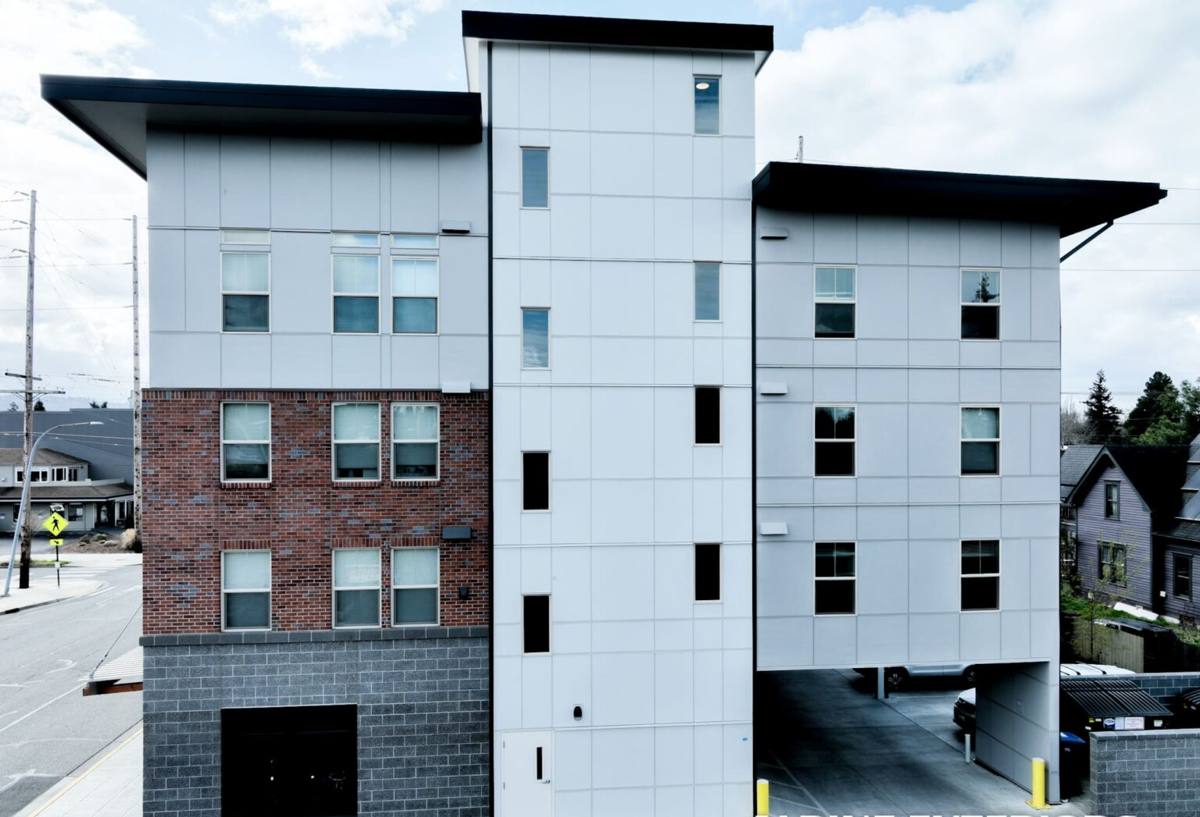
New-Construction vs. Replacement: Why the Distinction Matters
New-construction windows have a nailing fin (sometimes called a flange) built into the frame. That fin gets fastened directly to the framing and then integrated with the wall's weather-resistant barrier, flashing tape, and eventually the siding or stucco. Because the wall isn't finished yet, the installer has full access to the rough opening, the sheathing, and the framing members — there's no need to work around drywall, trim, or existing exterior finish.
Replacement windows, by contrast, are built to drop into an existing finished opening without disturbing the surrounding wall. They're a different product with a different installation method entirely. If your project involves new framing — a new build, an addition, or a converted space where the exterior wall is open — you want a contractor who installs new-construction units correctly, not someone treating it like a retrofit.
What Gets Missed When This Distinction Is Ignored
- Nailing fins fastened without proper flashing sequence, leaving a path for wind-driven rain behind the siding
- Sill pans skipped or installed backward, so any water that gets past the window drains into the wall instead of out
- Fastener schedules that don't match the window's tested and approved installation instructions, which can void the manufacturer's wind rating
- Rough openings sized off the framing plan instead of the actual window unit, causing gaps that get "fixed" with excess sealant instead of correct shimming
What Pinellas County Climate Demands from a New Window
Every window installed in Kenneth City has to hold up to the same conditions the rest of the Tampa Bay area deals with: hurricane-force wind gusts during storm season, sudden wind-driven rain that drives water sideways into any gap in the envelope, intense UV exposure nearly every day of the year, and salt-laden air that moves inland off the Gulf and corrodes anything not built to resist it. None of these are occasional stressors here — they're the baseline a window has to survive for its full service life.
Wind and Impact Requirements
Pinellas County follows the Florida Building Code's wind-borne debris provisions, and the required wind pressure rating for your specific lot depends on exposure category and elevation. Windows need current Florida Product Approval or Miami-Dade Notice of Acceptance documentation showing they've been tested to the pressures your address requires. On a new build, this gets specified in the plans; on an addition, it needs to be confirmed against the current code cycle rather than assumed from the rest of the house.
Wind-Driven Rain
Water intrusion during storms is rarely a failure of the glass — it's a failure of the flashing and sealant details around the frame. A window can carry a strong pressure rating and still leak if the sill pan, head flashing, and side flashing aren't lapped correctly, shingle-style, so water always sheds outward and downward.
UV and Heat
Year-round sun exposure breaks down inferior vinyl and degrades seals faster than in milder climates. Frame material and glass package both need to be chosen with that exposure in mind, not just for the storm season.
Salt Air
Kenneth City is inland enough that salt exposure is lighter than on the barrier islands, but Tampa Bay air still carries salt further than people expect. Hardware, fasteners, and frame components should be rated for coastal or near-coastal exposure rather than standard inland-grade parts.
What a Correct Installation Involves
A properly installed new-construction window is a sequence, not a single step. Skipping or reordering any part of it is where leaks and warranty problems start.
- Rough opening check — confirmed against the window's actual dimensions before it ever gets set, with allowance for shimming.
- Sill pan flashing — a sloped, sealed pan under the window that directs any water that gets past the frame back outside the wall assembly.
- Weather-resistant barrier integration — the wall's house wrap or building paper is cut and lapped so water always flows over, not under, each layer.
- Setting the window — plumb, level, and square, with shims at the manufacturer's specified points to avoid frame distortion that can bind sashes or stress the seal.
- Fastening the nailing fin — following the tested fastener type, spacing, and pattern from the product's approval documentation, not a generalized rule of thumb.
- Head and side flashing — installed shingle-style over the fin so the sequence sheds water outward at every layer.
- Sealant at the interior and exterior — a backer rod and sealant joint where required, sized and placed per the manufacturer's detail, not just caulked over the surface.
- Final inspection — checking operation, seal, and flashing lap before the siding or stucco crew closes the wall over it.
How Our Process Works
For builders and GCs, we work off the plan set and coordinate directly with the framing and siding schedule so windows go in at the right point in the sequence — not too early, not holding up the next trade. For homeowners managing their own addition, we start with a site visit to review the rough openings, confirm the wind rating your lot requires, and go over frame and glass options that fit both the budget and the exposure.
Once the windows are ordered, we handle the flashing and installation ourselves rather than subbing it out piecemeal, so the same crew that reviewed the openings is the one setting the pan flashing and fastening the fins. We document the installation as we go, which matters if a wind mitigation inspection or insurance review comes up later. Before the wall closes up, we walk the openings one more time so any correction happens while it's still accessible — not after the siding is up.
Choosing a Frame Material
Frame material affects wind performance, salt air resistance, and long-term maintenance differently. This is a general comparison to guide the conversation — exact figures depend on the specific product line and glass package.
| Frame Material | Wind/Impact Performance | Salt Air Resistance | Maintenance | Typical Cost Position |
|---|---|---|---|---|
| Vinyl | Good, with reinforced frames available for higher ratings | Good — won't corrode | Low — no painting or sealing needed | Lower to mid-range |
| Aluminum | Strong, common in impact-rated commercial and coastal products | Fair — needs a quality finish to resist pitting over time | Low, but finish should be checked periodically | Mid-range |
| Fiberglass | Very good — dimensionally stable under pressure and heat | Very good | Low | Higher |
We don't install every product on the market. Our standard is a window with documented Florida Product Approval matching your required wind pressure, hardware and fasteners rated for the local exposure, and an installation detail we can execute correctly and warranty. That sometimes rules out products that look similar on a spec sheet but come with installation tolerances, moisture handling, or hardware that don't hold up to what a Pinellas County wall assembly needs long-term.
Why a Crew That Already Works Kenneth City Matters
Kenneth City permitting runs through Pinellas County's building department, and new-construction window installs on additions or new builds get inspected as part of the framing or window/door rough-in stage. A crew that already knows the local inspector expectations, the current wind zone requirements for the area, and how HOA or neighborhood covenants in this part of the county typically handle window appearance and color can move a project through without avoidable delays. That familiarity comes from doing the work here repeatedly, not from a general contractor's license alone.
A Homeowner's or Builder's Checklist
Before windows go in on your new-construction project, confirm these points with whoever is doing the install:
- The window's Florida Product Approval or Miami-Dade NOA number matches your required wind pressure rating
- Sill pan flashing is part of the written installation plan, not left to field judgment
- Fastener type and spacing follow the product's tested installation instructions
- Weather-resistant barrier laps are sequenced shingle-style around the opening before flashing tape goes on
- Hardware and fasteners are specified for coastal or near-coastal exposure
- A pre-drywall or pre-siding walkthrough is scheduled so flashing is checked while it's still visible
- Installation is documented with photos, useful for wind mitigation inspections and insurance later
If you're planning a new build, an addition, or a garage or lanai conversion in Kenneth City and need the windows done right the first time, we're glad to walk the plans with you and give you a straightforward, no-pressure estimate. Use the form below to get started.