 Largo Siding
 Siding Built for a Barrier Island Address
Redington Shores sits on a narrow strip of land with the Gulf of Mexico on one side and the Intracoastal Waterway on the other, and that geography changes what "good siding" means. A product that performs fine a few miles inland in Largo can wear out early once it's exposed to direct salt spray, near-constant onshore wind, and reflected heat off the water. Homes here need a siding system that was engineered with that environment in mind, not one that merely tolerates it.
This page is about one specific job: installing James Hardie fiber cement siding on a home in or near Redington Shores. We're not going to cover every siding option on the market — we only install James Hardie, and we want to explain what that choice means for a house in this particular location.
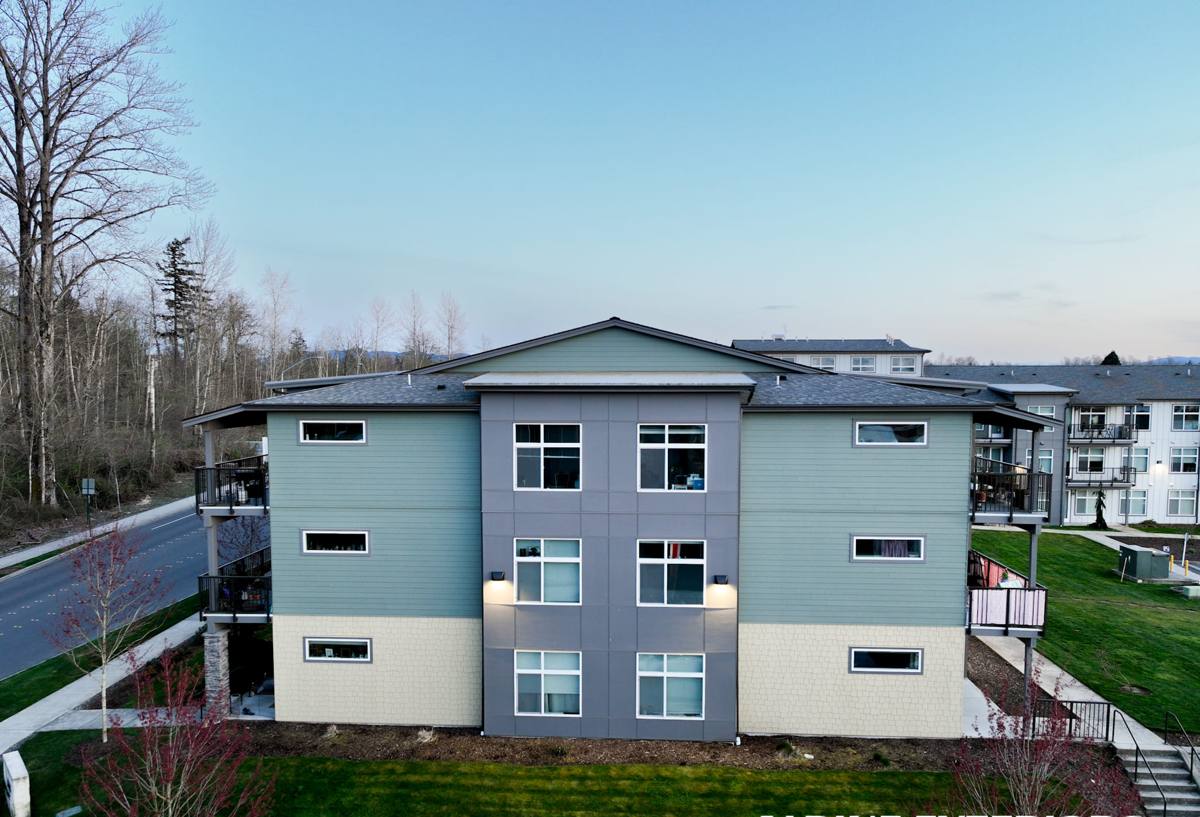
What Pinellas County's Coastal Climate Does to Exterior Siding
Every siding material on a Redington Shores home is fighting the same four things, day after day, year-round:
- Salt air: Airborne salt from the Gulf settles on exterior surfaces and accelerates corrosion of fasteners, trim, and any material that isn't rated for coastal exposure.
- Intense, year-round UV: Florida's sun angle and long exposure season fade color and break down surface coatings faster than in most of the country.
- Wind-driven rain: It's not just how much rain falls — it's that Gulf storms push rain sideways into seams, laps, and trim joints that would stay dry in a calmer climate.
- Hurricane-force wind events: Even homes that never take a direct hit still see repeated high-wind events over their lifetime, which stresses fastening patterns and panel edges.
None of these are occasional stressors here — they're constant. A siding system for a Redington Shores home has to be selected and installed with all four in mind at once, not just the one that seems most dramatic (wind).
Why We Only Install James Hardie
We made a decision as a company to install James Hardie fiber cement exclusively — not vinyl, not LP SmartSide, not cedar, not other fiber cement brands. That's a real trade-off: it narrows our options and typically costs more upfront than some alternatives. We made that call because, on the Pinellas County coast specifically, the products we chose not to carry each have a real-world weakness that shows up faster in this climate than inland: vinyl can distort or crack under sustained heat and wind loading, engineered wood products depend on unbroken paint film integrity to keep moisture out, and cheaper fiber cement formulations don't always hold color or resist moisture as well over time. James Hardie is non-combustible, dimensionally stable in heat and humidity swings, and backed by a factory finish system built to hold color under UV exposure. For a barrier island home, that combination isn't a luxury upgrade — it's the baseline we think the environment demands.
The HZ5 Climate Designation
James Hardie manufactures different formulations for different climate zones, and Pinellas County falls into their HZ5 (humid, high-moisture) engineering zone. HZ5 products are formulated to resist moisture-related expansion and to hold up under the freeze-free, high-humidity conditions typical of the Gulf Coast. Installing the correct HZ-rated product for this zone matters more than most homeowners realize — it's one of the reasons manufacturer specification and correct installation both have to be right together.
What a Correct James Hardie Installation Actually Involves
James Hardie siding is a system, not just a panel. The board itself is only as good as the flashing, fastening, and water management details underneath it. This is where most of the real-world performance difference between a good installation and a bad one shows up — and it's invisible once the job is finished, which is exactly why it has to be done right the first time.
| Installation Detail | Correct Approach | Common Shortcut That Fails Early Here |
|---|---|---|
| Clearance above roofline/deck | Minimum manufacturer-specified gap maintained for drainage | Siding installed tight to flashing, trapping wind-driven rain |
| Fasteners | Corrosion-resistant fasteners rated for coastal salt exposure, set per Hardie's fastening schedule | Standard fasteners that corrode and streak or back out within a few seasons |
| Butt joints and seams | Properly flashed or sealed per manufacturer detail, staggered layout | Caulk-only seams that open up as caulk ages in constant UV |
| House wrap / water-resistive barrier | Continuous, properly lapped barrier behind the siding | Gaps or reused wrap that let moisture reach the sheathing |
| Cut edges | Factory or field-primed per Hardie spec before installation | Raw cut edges left exposed, inviting moisture uptake |
Every one of these details is something Hardie itself specifies in its installation instructions — and every one of them is also something a rushed or unfamiliar crew can skip without it being obvious on installation day. The failures don't show up until a year or two later, usually as staining, soft spots, or seam separation, right around the time a homeowner starts to think everything went fine.
Our Process, Start to Finish
The process for a James Hardie install in Redington Shores follows the same core steps as anywhere, but every stage gets evaluated against the coastal exposure of the specific home:
- On-site assessment: We look at the home's orientation to the Gulf, existing sheathing condition, current trim and window flashing, and any moisture damage already present.
- Product and color selection: We walk through Hardie's HZ5-appropriate panel styles and ColorPlus finish options for the home's exposure and any HOA or community guidelines.
- Tear-off and substrate check: Old siding comes off and we inspect the sheathing underneath before anything new goes up — this is the point where hidden moisture damage gets caught.
- Water-resistive barrier installation: A continuous, correctly lapped barrier goes on before a single piece of siding.
- Flashing and trim detail work: Windows, doors, and roof intersections get flashed to shed water outward, not into the wall assembly.
- Panel installation: Installed to Hardie's fastening schedule and clearance requirements, with corrosion-resistant fasteners throughout.
- Final inspection and cleanup: We walk the finished job checking seams, caulking, and trim before calling it complete.
Color and Texture Choices for a Coastal Home
James Hardie's ColorPlus factory finish is baked on and warranted against fading in a way field-applied paint isn't, which matters a great deal under Florida's UV load. Lighter, reflective colors tend to run cooler and show less chalking over time in direct coastal sun, while certain textures (smooth lap versus cedar-shake-style panels) read differently depending on how close the home sits to open water. If the property falls under an HOA or community architectural guideline, we factor that into color selection up front rather than after ordering material.
Cost Factors Specific to This Area
We don't publish fixed prices because every home's siding scope is different, but the factors that actually move the number for a Redington Shores project are fairly consistent:
| Factor | Why It Matters Here |
|---|---|
| Substrate condition | Coastal homes more often need sheathing repair discovered during tear-off, which adds scope |
| Home size and elevation complexity | Elevated coastal construction and multiple stories add access and staging time |
| Trim and detail work | Corner boards, window casing, and soffit work scale with architectural detail |
| Panel style and finish | Textured or specialty ColorPlus finishes cost more than standard smooth lap |
| Site access | Barrier island lots and tight setbacks can affect staging and material delivery logistics |
The only way to get an honest number is a site visit — anything quoted without seeing the home's actual condition and exposure is a guess.
Why Hiring a Crew That Already Works This Area Matters
Siding installation quality depends heavily on whether the crew treats a coastal home differently than an inland one. A checklist for what to expect from a contractor experienced in Redington Shores specifically:
- They talk about fastener corrosion resistance without being asked, not just panel color
- They inspect and discuss sheathing condition as a normal part of the estimate, not an upsell surprise
- They know the HZ5 designation and can explain why it applies here
- They account for HOA or community exterior guidelines common to Gulf-front neighborhoods
- They can speak to wind-load fastening requirements relevant to hurricane-prone coastal construction
- They don't rush clearance and flashing details to save a day of labor
A crew that mainly works inland neighborhoods isn't necessarily doing bad work — but if coastal exposure isn't part of their everyday thinking, it's easy to miss a detail that only matters a mile from the Gulf.
Maintenance After Installation
James Hardie siding is low-maintenance, not no-maintenance, especially this close to the water. A simple annual routine goes a long way: rinse accumulated salt film off the siding with a garden hose (not a pressure washer aimed directly at seams), check caulked joints around windows and trim for cracking, and have a professional look at any staining or discoloration early rather than waiting. Caught early, small issues stay small.
Get an Honest Estimate
If you own a home in Redington Shores and you're weighing a siding replacement, we're glad to come take a look, walk you through what your specific home needs given its exposure, and give you a straightforward, no-pressure estimate — no obligation, no pressure to sign anything on the spot.