 Largo Siding
 Why Indian Shores Puts More Stress on Siding Than Most Homes Ever See
Indian Shores sits on a narrow barrier island in Pinellas County, squeezed between the Gulf of Mexico and the Intracoastal Waterway. That location means homes here take a beating that inland houses simply don't. Salt-laden air moves across the island from both directions, wind off open water arrives with nothing to slow it down, and the Florida sun hits exterior surfaces nearly every day of the year. Add wind-driven rain from summer storms and the tropical systems that track through the Gulf, and you have a siding environment that's genuinely tougher than what most of the state deals with.
That's the backdrop for every siding decision on this island. A product or installation method that holds up fine forty minutes inland can fail early a few blocks from the water. This page covers what Indian Shores homes actually need from their siding, what a correct James Hardie installation involves here, and why the details matter more on a barrier island than almost anywhere else in the region.
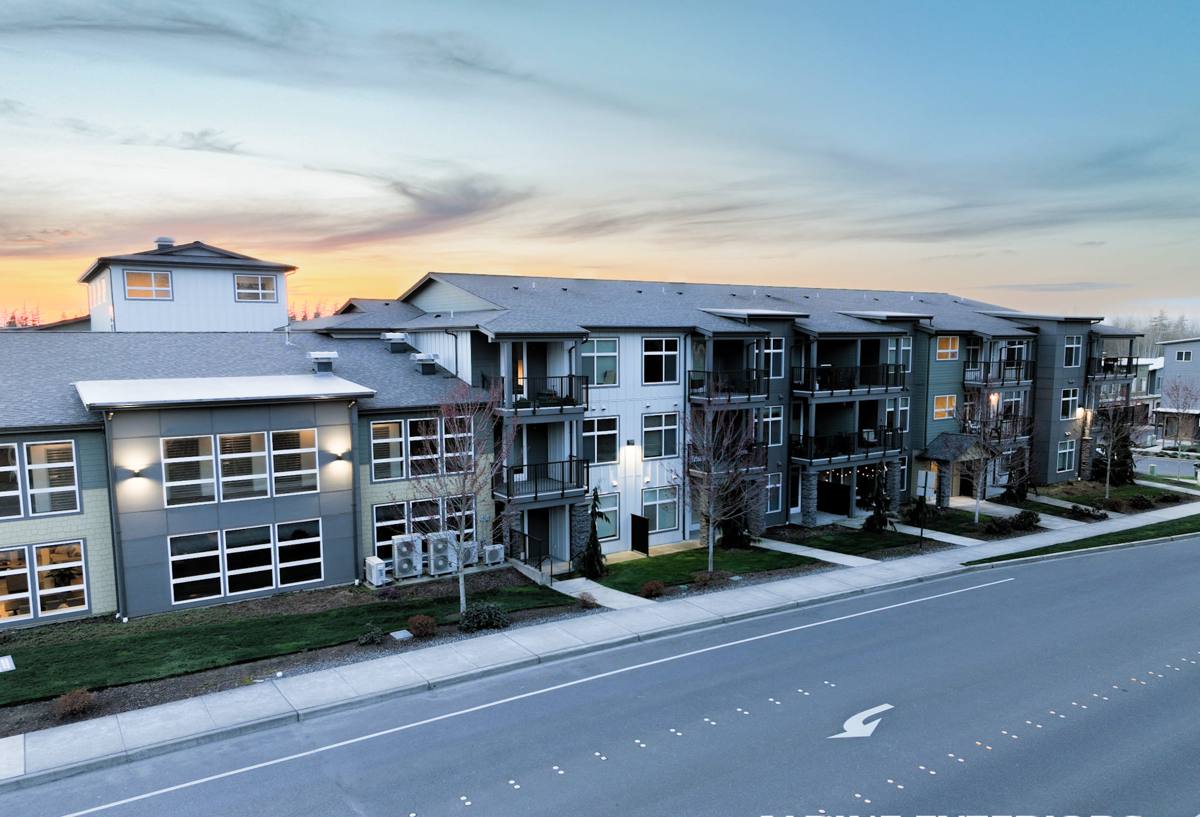
What Coastal Homes Actually Need From Their Siding
Before talking about products, it's worth being clear about what "coastal-ready" siding actually has to deliver. On Indian Shores, that means:
- Corrosion resistance — salt air attacks exposed fasteners, trim edges, and hardware far faster here than it does inland
- Real moisture management — wind can drive rain sideways into a wall assembly; the siding and everything behind it need an actual drainage plan, not just a bead of caulk
- UV stability — constant sun fades and chalks a poorly finished surface within a few years; the color needs to hold without a repaint cycle
- Wind performance — the fastening and attachment method has to hold at the wind speeds this stretch of coast sees during storm season
- Low upkeep — homeowners on the water shouldn't need to repaint, recaulk, or patch siding every year just to keep it presentable
Every material claims to check these boxes. In practice, few actually do once you factor in years of direct Gulf exposure.
Why We Install Only James Hardie Fiber Cement — Not Vinyl or Wood-Based Alternatives
We made a deliberate decision to install James Hardie fiber cement exclusively, and nothing else. That's not a marketing position — it's a response to what we've seen hold up on this coastline and what doesn't.
Vinyl siding is inexpensive and easy to install, but it's a petroleum-based product that softens in heat and becomes brittle with age and UV exposure. On a barrier island, that combination of intense sun and salt air accelerates both problems. Vinyl panels also rely on loose-fit interlocking seams that can rattle or work open under sustained high wind, and the color is baked through the material itself rather than a separately engineered finish, so fading shows up as the whole panel dulling, not just a coating wearing off.
Primed wood products — spruce, cedar, and similar — are attractive but organic. Wood absorbs moisture, and wind-driven rain finds every seam and end cut. Near saltwater, that moisture cycle combined with heat and humidity shortens the maintenance window considerably; repainting and recaulking become a recurring, non-negotiable expense rather than an occasional one.
James Hardie fiber cement is cement, sand, and cellulose fiber — non-combustible, dimensionally stable, and not affected by UV the way vinyl is or by moisture absorption the way wood is. That's the trade-off we made: fiber cement costs more upfront and takes more installation skill to get right, in exchange for a product engineered to actually survive this environment long-term.
Climate-Engineered for the Gulf Coast
James Hardie manufactures its siding in different formulations by climate zone. The Gulf Coast, including Pinellas County, falls into the company's high-humidity, heavy-rain engineering zone — meaning the product reaching Indian Shores homes is formulated differently than what ships to a dry inland climate. That's a meaningful distinction: a fiber cement product engineered for Arizona conditions is not what should be going on a home two blocks from the Gulf.
The James Hardie Product Lines That Make Sense Here
HardiePlank Lap Siding
The most common choice for full-house siding replacement. It gives the classic horizontal lap look homeowners expect, in a range of widths and textures, and it's the workhorse product for whole-home coastal jobs.
Hardie Shingle Siding
Used for a shingle-style look, either across an entire elevation or as an accent on gables and dormers. It reads as a more textured, coastal-cottage aesthetic that fits a lot of the architecture found on the island.
Hardie Trim and Soffit
Fascia, corner boards, and soffit material in matching fiber cement. Mixing Hardie siding with wood trim reintroduces the exact moisture and rot problems fiber cement is meant to solve, so trim gets treated as part of the same system, not an afterthought.
All of these come with ColorPlus Technology as an option — a factory-applied, baked-on finish rather than field-applied paint. That matters on a barrier island for two reasons: the finish is more UV- and fade-resistant than site-applied paint, and it comes with its own manufacturer warranty against peeling and chipping, separate from the substrate warranty.
| Criteria | James Hardie Fiber Cement | Vinyl Siding | Primed Wood |
|---|---|---|---|
| Salt air / corrosion resistance | Strong — cement-based, non-corrosive material | Moderate — panel itself is inert, but fasteners and trim still corrode | Weak — absorbs moisture that accelerates decay near salt air |
| UV / fade resistance | Strong with ColorPlus factory finish | Weak to moderate — color fades and chalks with sun exposure | Weak — paint fades and chalks, requires recoating |
| Wind performance | Strong when fastened to spec | Moderate — panels can flex, rattle, or dislodge in high wind | Moderate — dependent on fastening and board condition |
| Ongoing maintenance | Low — occasional rinse and caulk check | Low to moderate — cleaning, occasional panel replacement | High — regular repainting and caulking cycle |
| Fire performance | Non-combustible | Combustible | Combustible |
What a Correct Installation Involves on a Barrier Island Home
James Hardie siding performs the way it's engineered to only when it's installed to the manufacturer's specification. On the coast, the margin for shortcuts is smaller than inland, because wind and moisture find every gap faster.
- Corrosion-resistant fasteners — stainless steel or hot-dip galvanized fasteners, at the manufacturer's specified spacing, not whatever's on the truck
- Correct clearances — siding held the specified distance above roof lines, decks, patios, and grade so it never sits in standing water or wicks moisture from below
- Proper flashing integration — flashing and the water-resistive barrier lapped in the right order at every window, door, and penetration so wind-driven rain has somewhere to go besides the wall cavity
- Caulking used where it's specified — as a seal, not as a substitute for flashing that was left out to save time
- Starter strips and control joints installed per plan so the siding has room to move without buckling or opening gaps
None of this is visible once the job is finished — which is exactly why it matters who's doing the installing. Two houses can look identical from the street with very different outcomes five years into salt air and storm seasons.
Our Process, Start to Finish
- Inspection — we look at the existing siding, sheathing, and any moisture or rot already present before quoting anything
- Product and finish selection — plank profile, shingle vs. lap, and ColorPlus color, matched to the home's exposure and the owner's preference
- Permitting — siding replacement in coastal Pinellas County typically requires a permit; we handle that paperwork rather than leaving it to the homeowner
- Tear-off and substrate prep — removing old material and addressing any sheathing damage found underneath before new siding goes up
- Installation to manufacturer spec — fastening, flashing, and clearances done the way James Hardie's installation guide actually calls for
- Final walkthrough — checking seams, trim, and finish with the homeowner before calling the job done
Cost Factors for an Indian Shores Siding Project
Every home is different, but the same handful of factors drive most of the cost variation we see on this stretch of coast:
| Factor | Why It Affects Cost |
|---|---|
| Existing substrate condition | Rotted or water-damaged sheathing found during tear-off needs repair before new siding goes on |
| Home size and elevation complexity | Dormers, multiple gables, and tall walls take more time and material than a simple rectangular footprint |
| Product line and finish | Shingle-style and premium ColorPlus finishes cost more than standard lap profiles |
| Trim scope | Full trim and soffit replacement in matching fiber cement adds to the total versus siding alone |
| Access and site conditions | Tight lots, elevated foundations, and limited staging space common on the island can add labor time |
We give homeowners a written, itemized estimate before any work starts, so there are no surprises once the job is underway.
Maintaining Hardie Siding in a Salt-Air Environment
James Hardie siding is low-maintenance, not maintenance-free. On a barrier island, a little routine attention goes a long way:
- Rinse the exterior periodically to clear salt buildup, especially on Gulf-facing walls
- Check caulking around windows, doors, and trim joints once a year and touch up anything that's cracked or pulled away
- Look at exposed fastener heads and trim edges for early signs of corrosion or staining
- Keep landscaping and irrigation from spraying directly onto siding, which traps moisture against the surface
- After any major storm, walk the exterior for loose trim, damaged flashing, or impact marks before small issues become bigger ones
Why Local Experience in Indian Shores Actually Matters
A contractor who regularly works this island already knows things a crew coming from inland has to learn on the job: which fastener grade holds up under this level of salt exposure, how wind direction off the Gulf affects flashing details on exposed elevations, and what Pinellas County's permitting and inspection process actually requires for a barrier island property. Florida's building code accounts for high wind and wind-borne debris in coastal counties like Pinellas, and a crew unfamiliar with that gets it wrong more often than one that installs here regularly.
There's also the warranty question. James Hardie's product warranty is strong, but it's tied to correct installation — and if a problem shows up years later, you want the same company that installed it still around, familiar with the job, and reachable. That continuity is worth more on a barrier island than almost anywhere, since these homes see more wear and need a contractor who'll actually be there for the life of the warranty.
If you're weighing a siding replacement on your Indian Shores home, we're happy to walk the property, look at what's there now, and put together a straightforward, no-pressure estimate — no obligation, just a clear look at what your home actually needs. Use the form below to get started.