 Largo Siding
 Why Indian Shores Roofs Wear Differently
Homes on the barrier islands take a different kind of beating than roofs a few miles inland. Indian Shores sits out where Gulf breezes carry salt directly onto every surface, where the sun reflects up off open water as much as it beats down from above, and where wind-driven rain during a squall or a tropical system comes in sideways instead of straight down. None of that is dramatic on any single day. It's the accumulation — years of salt air working on metal fasteners, UV breaking down asphalt oils, and wind pressure testing every seam — that eventually shows up as a roof needing full replacement years before a similar roof further inland.
A roof built for this stretch of Pinellas County has to account for all of it at once: hold up under hurricane-force wind loads, shrug off year-round UV exposure, keep wind-driven rain from finding a way under the shingles or tiles, and resist the slow corrosion that salt air causes in exposed metal. That's the standard we design a Roof Replacement to meet for every Indian Shores home we work on.
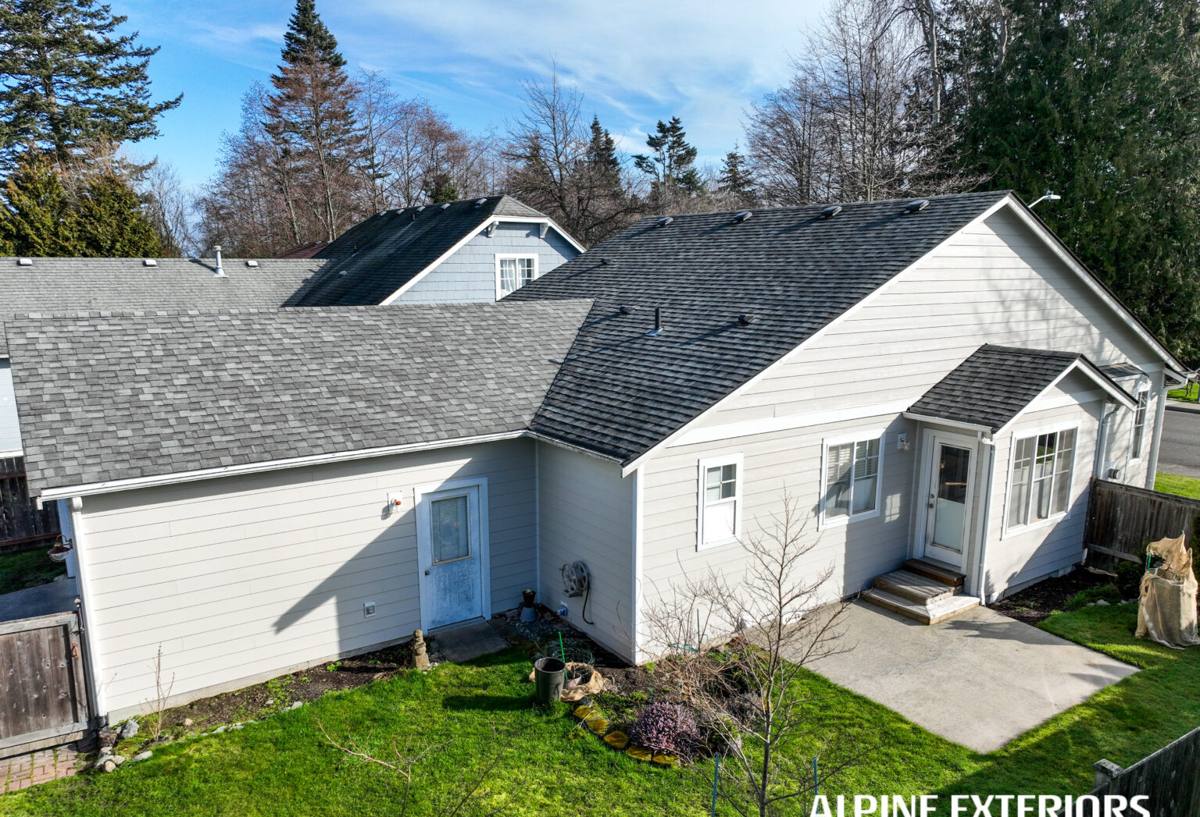
When Repair Isn't Enough: Signs You Need a Full Replacement
Not every roof problem calls for a full tear-off. But on barrier island homes, we see a handful of signs that reliably mean patching is just delaying the inevitable:
- The roof is approaching or past the manufacturer's rated lifespan for this climate, even if it "looks fine" from the ground
- Granule loss is visible in gutters or downspouts, meaning the shingle's UV protection is wearing thin
- You've had more than one or two leaks in different spots over the past couple of years
- Decking feels soft or spongy underfoot, or shows staining in the attic
- Flashing around chimneys, vents, or wall intersections is cracked, lifted, or rusted
- Your insurance carrier is asking about roof age, or hinting at non-renewal without an update
If you're only seeing one of these and the roof is otherwise young, a repair may genuinely be the right call — we'll tell you that instead of pushing a replacement you don't need yet.
What a Correct Roof Replacement Actually Involves
Full Tear-Off and Deck Inspection
A proper replacement starts with removing the old roofing down to the deck — not layering over it. That's the only way to actually see the plywood or OSB underneath, catch any rotted or delaminated sections, and replace them before new material goes down. Skipping this step is how a brand-new roof ends up with a soft spot within a few years.
Underlayment and Flashing Built for Wind-Driven Rain
On a barrier island, the underlayment layer matters as much as the surface material. We install a synthetic underlayment across the full deck and use self-adhering underlayment in the areas most exposed to wind-driven rain — valleys, eaves, and around penetrations — as a genuine secondary water barrier, not just a formality. Flashing at walls, chimneys, and skylights gets properly stepped and counter-flashed rather than just caulked over, since caulk alone is the first thing salt air and UV break down.
Installation Rated for Real Wind Exposure
Wind resistance comes from installation as much as from the product label. That means following the manufacturer's high-wind fastening pattern — correct nail or screw count, correct placement — rather than a standard-exposure install. For an exposed Indian Shores roof, this is the difference between shingles that stay put through a tropical system and ones that don't.
Ventilation That Matches the Sun Load
Intense year-round UV means a roof deck runs hotter here than it would further north, and trapped heat and moisture age shingles from underneath even if the top side looks fine. Balanced intake and exhaust ventilation isn't optional on a replacement — it's what keeps the attic from cooking the new roofing from below.
Choosing a Roofing Material for a Barrier Island Home
There's no single "best" material for every Indian Shores home — it depends on your home's structure, your budget, and how much long-term maintenance you want to take on. Here's how the common options compare against the specific stresses this location puts on a roof:
| Material | Wind Performance | UV / Heat Behavior | Salt-Air Durability | Typical Lifespan | Relative Upfront Cost |
|---|---|---|---|---|---|
| Architectural asphalt shingle | Good, when installed to high-wind spec | Gradual granule and oil loss over time | Fasteners need corrosion-resistant hardware | Moderate | Lower |
| Standing-seam metal | Very strong wind and uplift resistance | Reflects heat well, holds up under UV | Needs coastal-rated coating and fasteners | Long | Higher |
| Concrete or clay tile | Strong when properly fastened to deck | Excellent — largely unaffected by UV | Very good; tile itself doesn't corrode | Long | Higher |
We don't push one product over another as a rule — we walk through the trade-offs in maintenance, weight on the structure, and upfront cost so you're choosing based on what actually fits your home, not on which one carries the flashiest warranty language.
Permits, Wind Mitigation, and Insurance
A full roof replacement in Indian Shores requires a permit through the appropriate local building department, and the work has to meet Florida Building Code's wind-resistance requirements for this area. That permit process is a good thing for you as the homeowner — it means the finished roof gets inspected against a real standard, not just against whatever the crew decided to do that day.
Replacing the roof is also usually the right time to schedule a wind mitigation inspection. That inspection documents things like your roof-to-wall connections, secondary water barrier, and roof deck attachment method — details that can lower your windstorm insurance premium. We build the replacement to support a strong wind mitigation report and provide the documentation you'll need to hand to your insurance company.
Our Process, Start to Finish
- On-site inspection. We look at the current roof, the deck, attic ventilation, and flashing details before quoting anything.
- Honest recommendation and estimate. You get a clear answer on repair versus replacement, material options, and a written cost breakdown.
- Permitting. We handle the permit application and make sure the scope of work matches what's actually being installed.
- Scheduling around the site. Barrier island properties often have tighter lots and limited staging room, so we plan delivery and dumpster placement accordingly.
- Tear-off and deck repair. Old material comes off, the deck gets inspected, and any damaged sections are replaced before anything new goes down.
- Installation to the high-wind spec. Underlayment, flashing, and the roofing material go on following manufacturer requirements for this wind zone.
- Inspection. The completed work is reviewed against the permit before it's closed out.
- Final walkthrough. We go over the finished roof with you and hand over the documentation you'll want on file, including anything useful for your insurance carrier.
Why It Matters to Hire a Crew That Already Works Indian Shores
Barrier island jobs come with logistics that inland roofing jobs don't. Lots are often smaller and tighter, so staging materials and running a dumpster takes more planning. Many communities have their own guidelines about work hours, parking, or contractor access that a crew unfamiliar with the area has to learn on your dime. Bridge and causeway traffic can affect delivery timing, especially during busier seasonal stretches.
A crew that's already done this work in Indian Shores also knows, from repetition, which fastener and flashing choices actually hold up against the salt air here rather than just meeting the minimum code requirement. That's not a difference you can see in a proposal — it shows up years later in whether the roof is still tight.
Protecting Your New Roof After Installation
A correctly installed roof still needs a bit of upkeep to get its full lifespan out of it, especially in this climate. After your replacement, keep an eye on:
- A visual inspection twice a year, plus after any major storm
- Gutters and downspouts kept clear so water doesn't back up under the roof edge
- Granule buildup in gutters, which can signal accelerated shingle wear
- Attic vents staying unobstructed by insulation or debris
- Flashing and sealant points checked for cracking or lifting over time
- A professional inspection before hurricane season and before insurance renewal, so any small issue gets caught while it's still small
If your Indian Shores home is due for a roof replacement, or you're just not sure whether repair or replacement is the right call, we're happy to come take a look. The estimate is free, there's no pressure attached to it, and you'll get a straight answer either way — just fill out the form below to get started.