 Largo Siding
 Windows Built for a Barrier Island, Not a Catalog
Indian Shores sits right on the Gulf, and homes there take a different kind of beating than houses even a few miles inland in Largo. Salt-laden air moves through the building envelope every single day, UV exposure is nearly constant, and when a tropical system tracks through Pinellas County, this stretch of coastline sees the wind and wind-driven rain first. Stock windows sized for a big-box aisle rarely fit these homes correctly, and "close enough" installation is exactly what fails first when a storm pushes water sideways into a wall.
Custom windows means two things on a job like this: the unit itself is built to the actual rough opening instead of forcing the opening to fit a standard size, and the product is rated for the wind and impact conditions this specific location faces. Get either one wrong and you've spent real money on a window that still leaks air, lets in UV-faded light, or doesn't hold up when it matters.
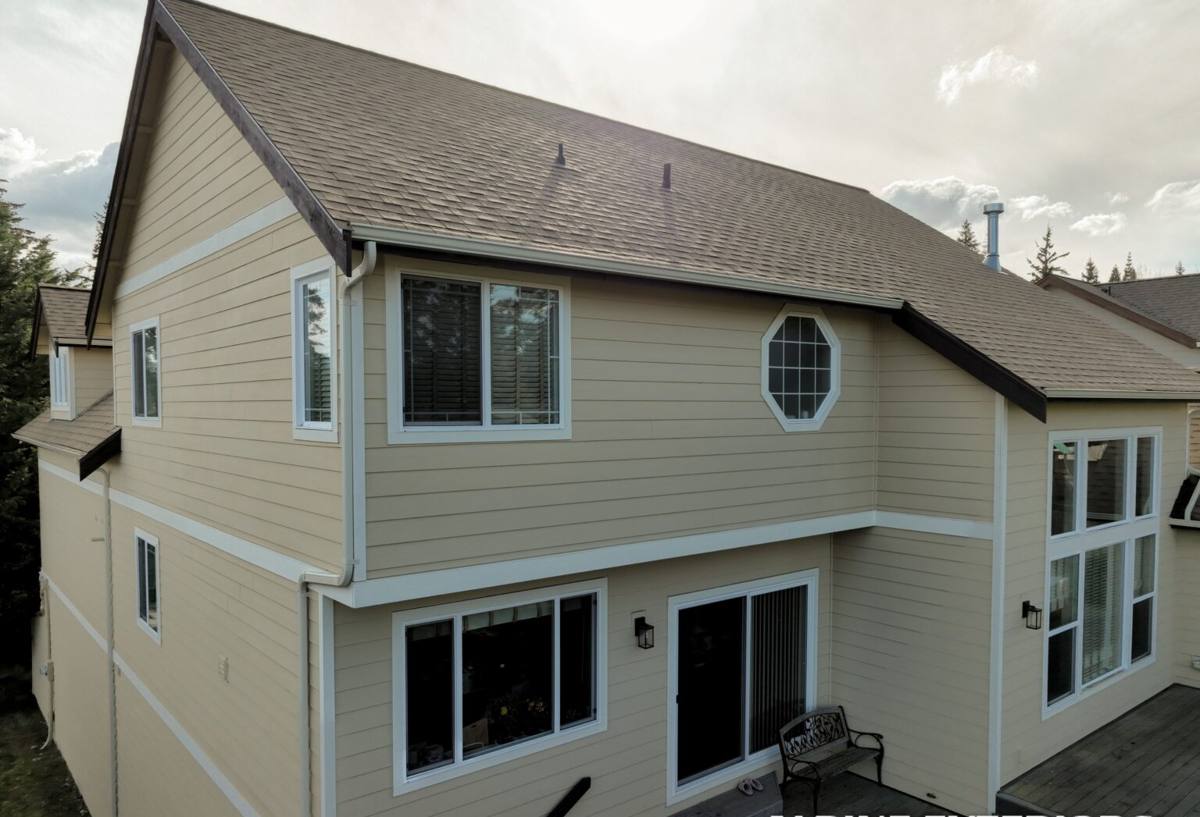
What the Climate Actually Does to a Window Over Time
It helps to understand the failure modes we're designing against, not just the sales pitch around them.
Salt Air and Corrosion
Airborne salt settles on every exterior surface near the coast. On windows, it attacks unprotected metal hardware, corrodes poorly coated aluminum frames, and accelerates the breakdown of cheap seals and gaskets. Over a few years, that shows up as pitted hardware, cloudy or scratched-looking finishes, and locks that stick or bind.
UV and Sun Load
Florida sun is hard on vinyl and finishes year-round, not just in summer. Lower-grade vinyl frames can discolor or grow brittle; window films and older single-pane glass do little to stop heat gain, which drives up cooling costs in a home that's already running the AC most of the year.
Wind and Wind-Driven Rain
Wind pressure on a barrier island community like Indian Shores is higher than what an inland Largo home experiences, simply because there's less to slow the wind down before it hits the building. During storms, that same wind drives rain horizontally against the glass and frame, testing every seal and every fastener. A window that isn't properly rated or properly installed is one of the more common points where storm water gets into a house.
Impact Ratings and Local Wind Code, Explained Plainly
Pinellas County enforces Florida's high-velocity and wind-borne debris region building codes, and coastal properties like those in Indian Shores typically fall under the stricter end of those requirements. In practical terms, that means:
- Windows need documented approval (a Notice of Acceptance or similar product approval) showing they meet the applicable wind pressure and impact requirements for the location.
- Impact-rated glass or an approved protection system is generally required for openings on coastal and near-coastal structures.
- Permits are required for window replacement in Largo and throughout Pinellas County — this isn't optional paperwork, it's what gets your installation inspected and documented.
- The size and structural condition of the rough opening affects what installation method is code-compliant, not just what looks fine from the outside.
We pull permits, size windows to current code for the property's location, and make sure the paperwork trail exists if you ever need it for insurance or resale. Skipping that step to save time is exactly how homeowners end up with a window that looks right but won't pass inspection or hold up in a claim.
Frame Material: What Actually Holds Up Here
There's no single "best" frame material for every house, but some options make more sense than others this close to the Gulf.
| Frame Material | Coastal Performance | Maintenance | Typical Trade-Off |
|---|---|---|---|
| Vinyl (impact-rated) | Good — won't corrode, holds up well to salt air | Low — occasional cleaning | Can discolor over many years of full sun exposure if lower grade |
| Fiberglass | Very good — dimensionally stable, resists warping and corrosion | Low | Higher upfront cost than vinyl |
| Aluminum (marine-grade coating) | Good if properly coated; poor if not | Moderate — hardware needs monitoring | Coating quality matters more here than almost anywhere else |
| Wood / wood-clad | Weakest in direct salt exposure without diligent upkeep | High | Best suited to more sheltered, non-direct-exposure locations |
For most Indian Shores homes, we steer customers toward impact-rated vinyl or fiberglass because they hold up to salt air with the least ongoing maintenance. Where a homeowner wants the look of aluminum-frame windows, we're upfront that the coating quality and hardware finish matter more here than they would on an inland Largo property, and we'll walk through what that means for long-term upkeep before you commit.
Glass and Glazing Choices
The glass package matters as much as the frame, sometimes more.
Impact Glass
Laminated impact glass holds together under impact rather than shattering outward, which is the core of most coastal wind code compliance. It also does a good job cutting down outside noise, which residents near open water tend to notice.
Low-E Coatings
A low-emissivity coating reflects a meaningful amount of solar heat before it gets into the house, which matters when a home is facing near-constant sun for most of the year. This directly affects cooling costs and how much UV fading happens to interior furnishings and flooring.
Tint and Glass Tone
Some homeowners want additional tint for glare control facing open water; others prefer clear glass for the view. Both are workable — we just make sure whatever glass package you choose still meets the required impact and wind rating for the opening, since not every tint or coating is available on every approved assembly.
Our Installation Process
Custom window installation on a coastal property has more steps than a standard inland replacement, and skipping any of them is where problems start.
- On-site measurement and assessment — we measure every opening individually and check the surrounding wall and sill condition, since coastal homes sometimes have hidden moisture damage around older windows.
- Product selection matched to code — we confirm the wind pressure rating required for that specific opening and location, then match frame, glass, and hardware to it.
- Permitting — we pull the required Pinellas County / local permit before work begins.
- Removal and opening prep — old units come out carefully, and we address any rot, corrosion, or flashing issues found in the opening before the new window goes in. This step gets rushed on cheap jobs, and it's usually where future leaks come from.
- Installation and sealing — the window is set, shimmed, fastened, and sealed per manufacturer and code requirements, with attention to flashing and drainage so wind-driven rain has nowhere to get in.
- Inspection — the work is signed off through the permitting process, giving you documentation for insurance and future resale.
- Walkthrough — we go over operation, hardware care, and what maintenance to expect given the salt air environment.
Signs Your Current Windows Are Already Failing
Coastal window failure is often gradual, not sudden. Watch for:
- Hardware (locks, cranks, hinges) that's stiff, corroded, or won't fully engage
- Fogging or moisture between panes on double-pane units, meaning the seal has failed
- Frames that feel soft, chalky, or show visible pitting
- Drafts or a whistling sound during windy conditions
- Visible daylight gaps around the frame
- Water staining on interior sills or drywall after storms
- Difficulty opening or closing that wasn't there before
Any one of these is worth a look before hurricane season peaks, not after a storm has already tested the weak point.
What Drives the Cost of a Custom Window Project
| Factor | Why It Matters |
|---|---|
| Number and size of openings | More and larger openings mean more material and labor |
| Impact rating required | Higher wind pressure ratings generally cost more than standard impact glass |
| Frame material | Fiberglass typically costs more upfront than vinyl; aluminum varies with coating quality |
| Opening condition | Rot, corrosion, or out-of-square openings add prep work before installation |
| Glass package | Low-E coatings, tint, or specialty glass add cost over basic impact laminate |
| Permitting and inspection | Required by code for this area — factored into project scope, not an optional add-on |
We don't quote a flat per-window number over the phone for coastal work, because opening condition and code requirements vary enough house to house that it wouldn't be an honest estimate. An on-site look lets us give you real numbers.
Why a Crew That Already Works This Coastline Matters
Window installation on a barrier island community isn't the same trade as window installation two miles inland. A crew that already works Indian Shores and the surrounding Largo area knows the wind pressure requirements without having to look them up from scratch, recognizes salt-air corrosion and moisture damage on sight, and has already dealt with the county's permitting process for this type of property. That familiarity shows up in fewer surprises mid-project and a finished installation that's actually built for what this location experiences — not just code-compliant on paper.
It also matters for accountability. A local Largo-based crew is easy to reach if a question comes up after the job, whether that's a warranty item, a maintenance question, or prep questions before the next storm season.
If you're weighing whether your current windows need replacing or just repair, or you're ready to plan a custom window project for an Indian Shores property, we're happy to take a look and give you a straightforward, no-pressure estimate. Use the form below to get started.