 Largo Siding
 Roofing on a Barrier Island: What Indian Rocks Beach Homes Are Up Against
Indian Rocks Beach sits on a narrow strip of sand between the Gulf of Mexico and the Intracoastal Waterway, and that location puts a roof through more punishment in a year than most inland homes see in five. Salt-laden air corrodes exposed fasteners, flashing, and metal edge trim faster than manufacturers' standard warranties assume. Year-round Florida UV bakes asphalt shingles and breaks down granule adhesion, which is usually the first visible sign a roof is aging out. Add wind-driven rain that comes in sideways during summer storms and tropical systems, plus the straight-line and hurricane-force gusts that test every nail and seam on a barrier island roof, and you have a climate that simply asks more of a roof than most parts of the country ever will.
None of that means a roof replacement here has to be a constant headache. It means the details — deck condition, fastening pattern, flashing, underlayment, and material choice — matter more in Indian Rocks Beach than they would fifteen miles inland, and a contractor who treats this as a standard installation is setting a homeowner up for problems in year three or four instead of year twenty.
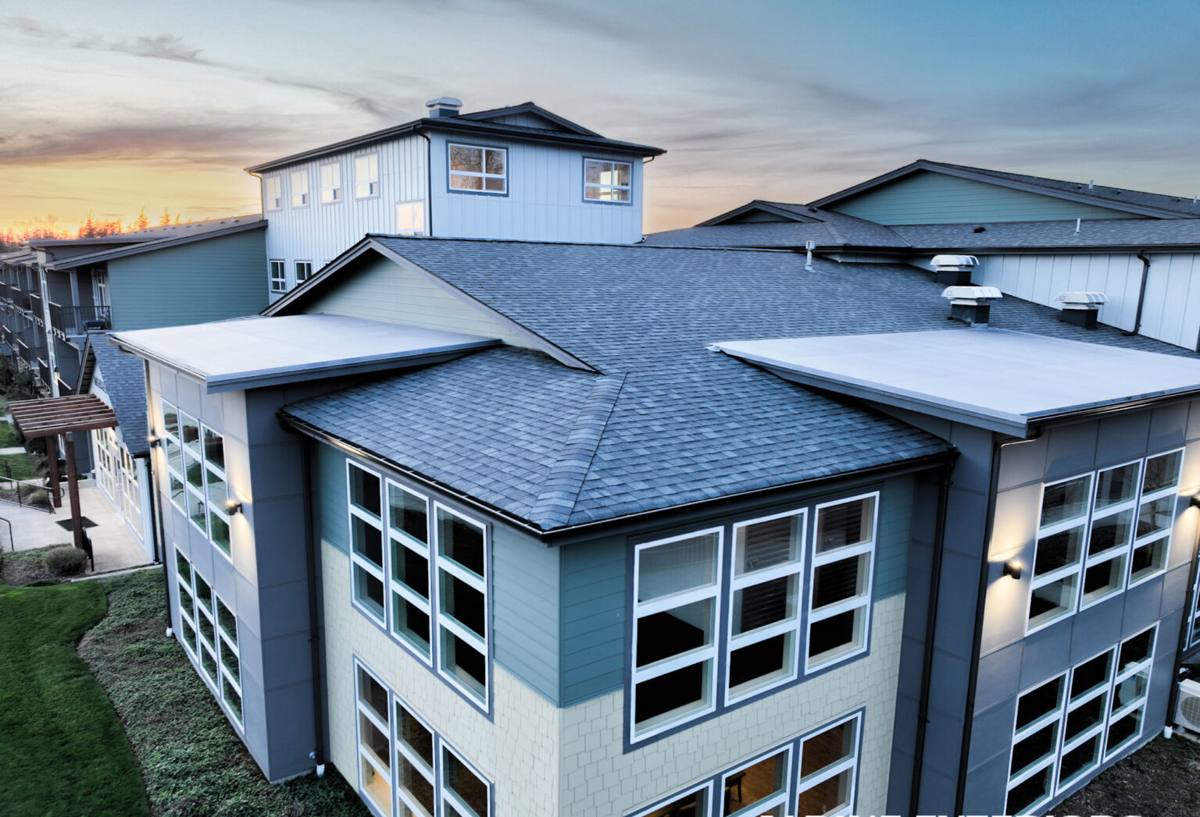
Signs It's Time to Replace, Not Repair
Not every roof problem calls for a full replacement, and a reputable contractor should tell you that plainly. But there's a point where patching stops making financial sense and starts throwing money at a roof that's already failed structurally or is close to it.
- Granule loss heavy enough that you can see bare, shiny patches on shingles, especially on south- and west-facing slopes
- Shingles that are curling, cupping, or cracking across large sections rather than one isolated spot
- Soft or spongy decking you can feel when walking the roof, which usually means moisture has been getting into the plywood for a while
- Leaks that keep returning in different spots after storms, rather than one clear point of failure
- A roof at or past 15-20 years old for asphalt shingle, which is a realistic service life in this climate rather than the longer numbers sometimes printed on packaging
- Missing or lifted shingles after wind events, particularly if it's happened more than once
- Visible sagging along the roofline, which can point to structural issues beyond the shingles themselves
If a roof is showing two or three of these at once, repair costs start adding up toward what a full replacement would run anyway — and a patched-together roof is still an old roof underneath.
What a Correct Roof Replacement Actually Involves
Full Tear-Off and Deck Inspection
A proper replacement starts with stripping the roof down to the deck, not layering new shingles over old ones. That's the only way to actually see the plywood underneath — rot, delamination, or nail pops that a second layer would hide for years. Any damaged decking gets replaced before anything new goes down; installing new shingles over a compromised deck just moves the failure point, it doesn't fix it.
Underlayment and Flashing
Underlayment is the roof's backup layer if wind ever drives water past the shingles themselves, which happens more often on a barrier island than most homeowners realize. We use synthetic or self-adhering underlayment rated for high-wind, high-humidity exposure, with extra attention at valleys, eaves, and any low-slope transitions where wind-driven rain tends to find a way in. Flashing around chimneys, skylights, sidewalls, and roof penetrations gets replaced as part of the job, not reused — old flashing is one of the most common sources of leaks that show up long after a "replacement" that skipped this step.
Ventilation
Attic ventilation gets overlooked constantly, but it directly affects how long a new roof lasts. Balanced intake at the soffits and exhaust at the ridge keeps attic temperatures and moisture in check, which matters in Florida's humidity and helps prevent shingles from cooking from underneath during the summer. A new roof installed over an unbalanced or blocked ventilation system will underperform its expected lifespan regardless of how good the shingles are.
Choosing Materials for Coastal Wind and Salt Exposure
There's no single "right" material for every home — it depends on budget, roof pitch, HOA or architectural expectations, and how long you plan to own the home. What matters is picking with the coastal environment in mind rather than defaulting to whatever's cheapest.
| Material | How It Handles Coastal Conditions | Typical Cost Factor |
|---|---|---|
| 3-tab asphalt shingle | Lower wind rating, shorter service life in salt air and intense UV; we generally don't recommend it this close to the water | Lowest upfront cost |
| Architectural (laminated) asphalt shingle | Higher wind ratings, algae-resistant granule options, the most common and cost-effective choice for coastal homes today | Moderate |
| Standing seam metal | Excellent wind performance and long service life; needs coastal-rated fasteners and coatings to resist salt corrosion | Higher |
| Concrete or clay tile | Very durable against UV and wind uplift when properly fastened, but heavier — requires the structure and underlayment to match | Highest |
As a general guide, architectural shingle replacements often run in the mid single digits per square foot installed, with metal and tile running noticeably higher due to material and labor. Every roof is different — pitch, access, layers to remove, and decking condition all move the number — so treat any range as a starting point, not a quote.
Wind Rating, Building Code, and Insurance Considerations
Coastal Pinellas County falls within Florida's wind-borne debris region under the Florida Building Code, which affects nailing patterns, underlayment requirements, and in some cases the products that qualify for use this close to the water. A correctly permitted replacement is inspected against these standards, not just installed "the way it's always been done."
There's a practical upside to doing this correctly: a new roof installed to current code, with documentation of the materials and fastening method used, is what your insurance company needs to issue an updated wind mitigation inspection. That inspection can lower windstorm premiums meaningfully, and it's worth asking your contractor for the paperwork you'll need to hand your insurance agent once the job is done.
Our Replacement Process
- On-site inspection and measurement, with photos of the current roof's condition and any problem areas
- Written scope of work and material selection, so you know exactly what's being installed before work starts
- Permit pulled before any tear-off begins
- Landscaping, pool areas, and screened enclosures protected before demolition starts
- Full tear-off to the deck, with any damaged plywood identified and replaced
- Underlayment, flashing, and shingles or metal installed to current Florida Building Code fastening requirements
- Ridge and soffit ventilation checked and corrected if unbalanced
- Full site cleanup, including a magnetic sweep for stray nails and fasteners
- Final inspection and wind mitigation documentation provided for your insurance file
Timeline and What to Expect During the Job
Most single-family roof replacements in this size range take one to a few days of actual work, weather permitting — and weather is the real variable in Florida, especially during summer storm season when afternoon rain can push a schedule back a day at a time. There will be noise, and there will be debris coming off the roof, so we plan around pets, parked cars, and outdoor living spaces before the crew starts. If your property has a pool enclosure, dock, or other features common to homes near the water, we take extra care staging materials and equipment so nothing gets damaged during tear-off and disposal.
Why Local Experience in Indian Rocks Beach Matters
A roofing crew that mostly works inland jobs isn't necessarily prepared for what a barrier island throws at a roof. Wind exposure on Indian Rocks Beach can differ noticeably from a home just a few miles inland in Largo, which affects material selection and fastening decisions. Streets here are often narrow with limited staging space, which changes how a crew stages material delivery and dumpster placement compared to a typical suburban lot. And salt air corrosion is something you learn to plan for by seeing it firsthand on flashing, fasteners, and vents that failed early — not something you pick up from a manual.
Working this area regularly also means a straightforward relationship with local permitting expectations, so a job doesn't stall waiting on paperwork that could have been handled correctly the first time.
Get a Straight Answer on Your Roof
If your roof is showing its age or you just want an honest read on how much life it has left, we're glad to take a look. The estimate is free, there's no pressure, and you'll get a clear explanation of what we find and what your real options are — use the form below to get started.